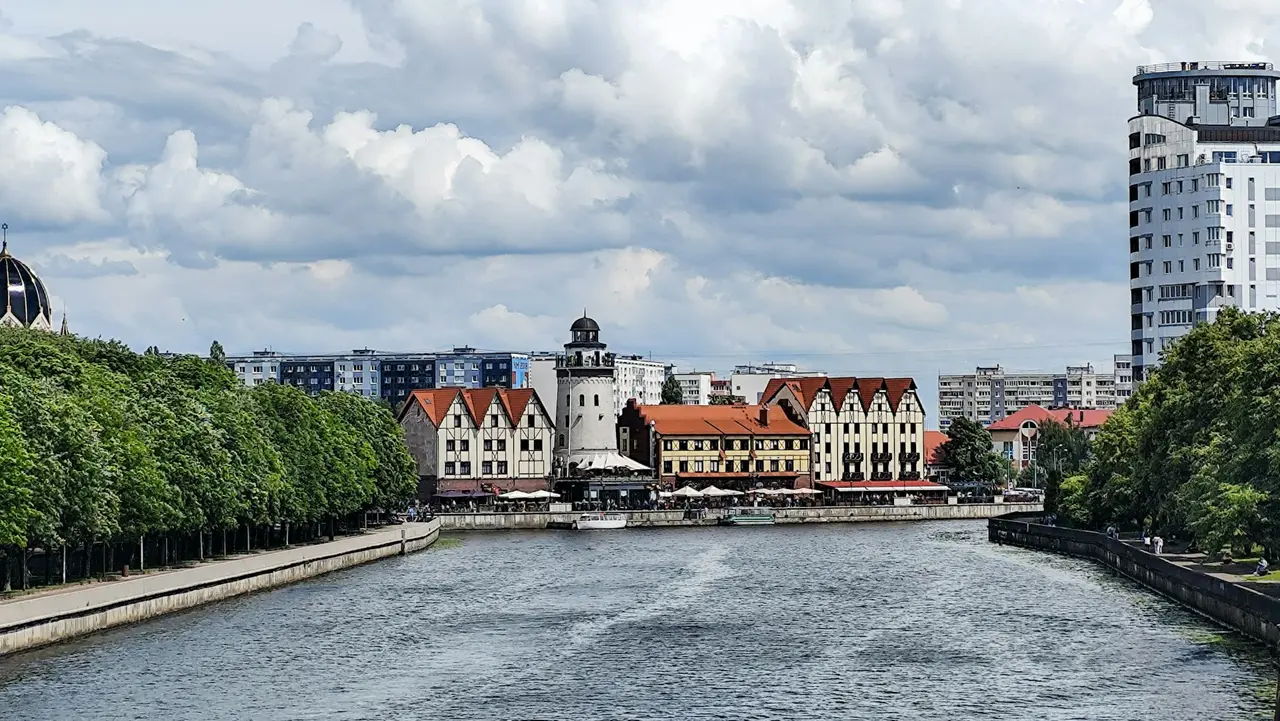
The Saturday attack on the russian exclave in the Baltic, supported by a drone strike on the russian military vessel in the Finnish strait, puts additional pressure on the russian state. Kaliningrad, which is a russian exclave directly connected with russia only by the sea, is heavily dependent on the regular maritime shipments as their main way of supplying both its population and its military force. As per reports, the key target of the attack was the city of Baltiysk, a key russian military port and main naval base of the Baltic fleet. A city that became especially important to the Baltic fleet after this summer attack on the Kronstadt and wider Leningrad region.
A situation that can be seen as an ironic development, as in contrast to the russian hybrid attacks against Europe, Ukraine becomes more willing to enact their own hybrid means to impact russian military assets even on the NATO doorsteps.
Baltic Sea finally becomes a lake NATO?
For years since russian full-scale invasion of Ukraine in 2022, Moscow was able to continue their military and hybrid operations in the Baltics, openly defiling NATO. On the other hand, as the recent attacks show, this time may have come to an end. Which creates a unique opportunity for NATO and its regional allies finally to establish themselves as the sole dominant force against the heavily constrained russian state, which had used the Baltic Sea region as its primary import/export hub as well as a lifeline to support its allies in the Middle East as a result of the closure of the Bosporus strait by Turkey. However, as the war becomes a reality for the Baltic region, would the NATO member states have enough willingness and political capital to punish russian state or would they prefer an armed stalemate?