

© 2026 EPIS · Independent · Non-partisan · Funded by the EPIS FellowsLegal Notice · Privacy Policy · · RSS
The EPIS Thinktank for Foreign Affairs & Security Policy unites actively publishing Research Fellows — making it an optimal platform for Political Science students. Through Working, Report, and Format Groups, it sets publication standards, conducts peer reviews, and ensures timely, high-quality output.
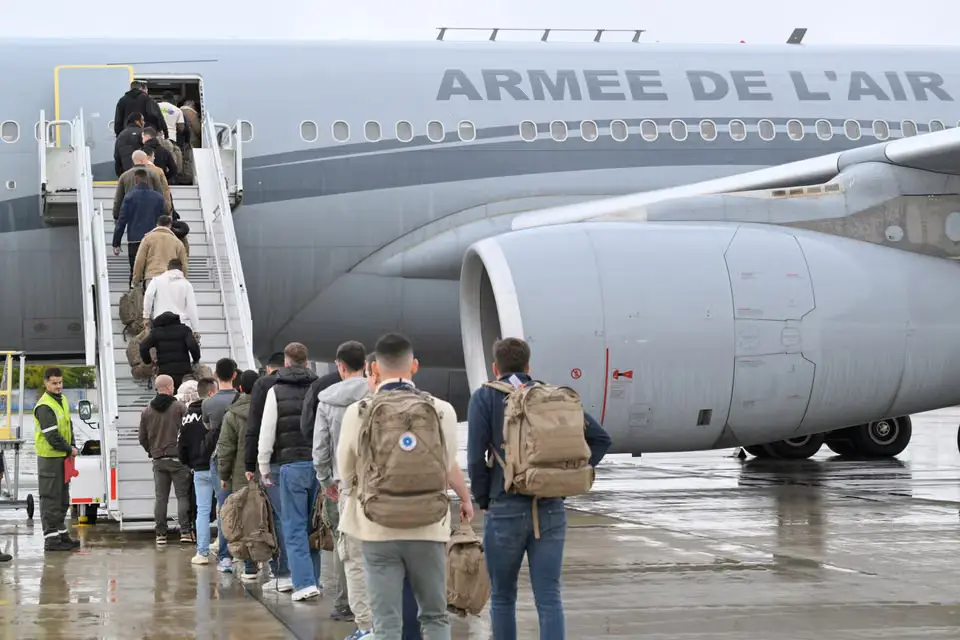
A report revealing French troops operating in Ukraine without parliamentary notice raises questions over executive power and accountability.
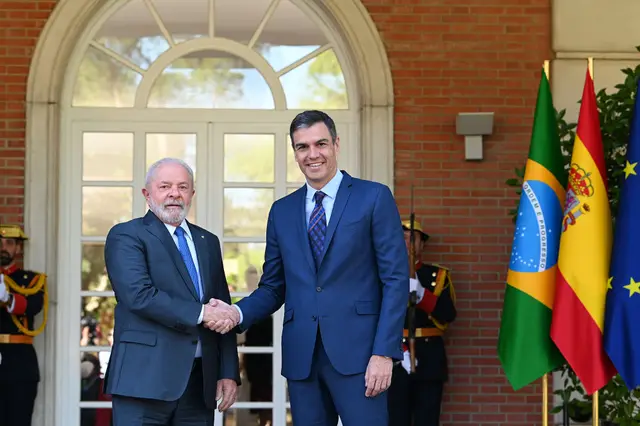
By pairing bilateral tax cooperation with joint calls for UN reform, Brasília and Madrid are attempting to turn shared progressive values…
Tehran is reaching Europe through clerical and criminal networks beyond the reach of EU sanctions, while weakening its own Bosnian partners.
US prepares to be the mediator for the Russia-Ukraine war. As the positions of warring parties have not changed much and US is avoiding,…

US president has secretive talks with Myanmar next week for supplying rare earths indirectly worsen serious human issues in Myanmar.

Despite 80% progress, unresolved disagreements over legal obligations and maritime claims continue to obstruct a binding agreement.
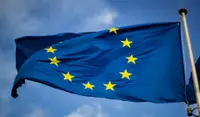
The EU members continue to stand firmly with Ukraine while Russian aggressions proliferate. New military aid packages takeover to advance…
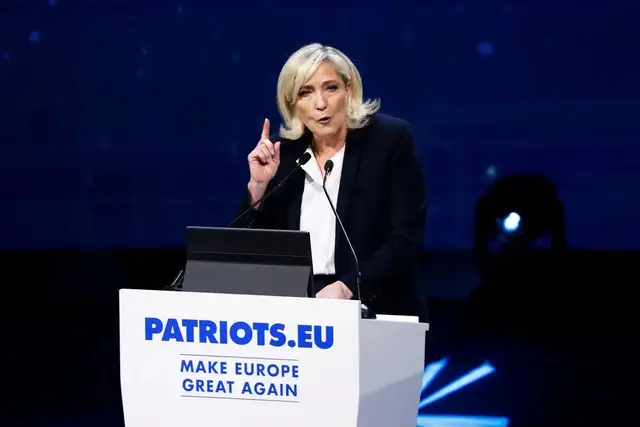
France’s presidential election could affect European support for Ukraine, since Le Pen’s proposed cuts extend to funding through the EU

Tehran used an economic bloc to float a security order, but it found states that can sign communiqués, not secure a strait, and even they…

At the same time as the negotiations continue to hit the dead end and the political position of the President of the United States becomes…
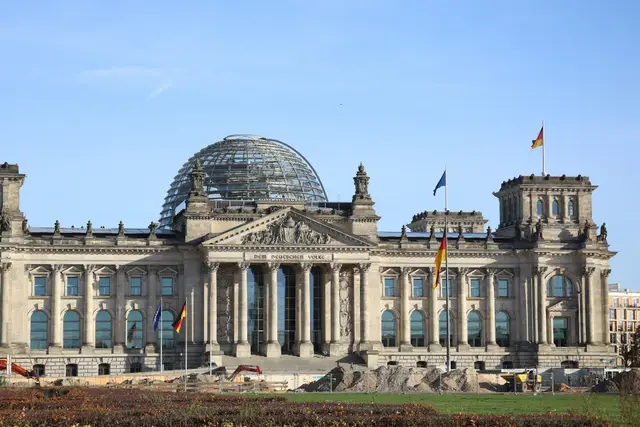
Germany’s spy reform lets the executive conduct covert sabotage abroad without the parliamentary approval required for military deployments.
Renewed tensions between Ethiopia and Eritrea threaten to open another front in a region already strained by conflict.…
Economic interdependence can deter conflict, and energy infrastructure embodies this logic. The proposed TRIPP corridor…

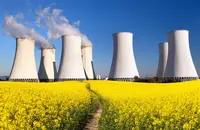
Nuclear power is returning as a complement to renewables and an alternative to fossil-fuel back-up. Whether it gains…
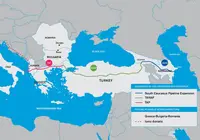
The Southern Gas Corridor has helped reduce the EU’s reliance on Russian gas, but its limited capacity and dependence…
The claim that two militants carried Starlink may matter less for the border than for the tens of thousands of Iranians…

France retains a place in Europe’s negotiating team, but its influence will depend on whether European representatives…
Amid the humanitarian disaster unfolding in Nepal, vulnerable countries have renewed their demands for more financial…

None of my courses at university had given concrete examples of technologies used in security politics and therefore…

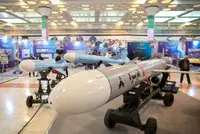
Tehran showed missiles, not mixers: the unveiling proves storage, not bombardment-proof production, and may hand…
EU adopts new sanctions against Russia next week after some diplomatic clashes. The motivation is emotional and the…

Specialised teams focusing on different world regions, publishing monthly briefs on current political developments and providing in-depth analysis of regional and global contexts.
Cross-regional groups organised around policy domains — from AI and cybersecurity to human rights — publishing monthly reports that connect experts with comparable interests across geographies.
Dynamic platforms fostering knowledge exchange and critical discussions on global issues through five distinct publication formats.
In-depth policy analysis and long-form research from EPIS Fellows. The flagship publication of the Thinktank.
Short-form commentary on current affairs and political developments — rapid, sharp, and timely.
Concise expert conversations on pressing international questions, structured around ten key themes.
Accessible introductions to foreign policy concepts designed for new fellows entering the field.
Academic-standard papers submitted to peer-review processes and maintained to scholarly citation norms.
Focus on critical global issues by region, providing in-depth analyses and policy recommendations addressing climate policy, human rights, international relations, and security.
Focus on critical global issues by policy domain, producing long-form analyses each semester across climate policy, human rights, international relations, and security.
Apply for EPIS Fellowship to gain access to working groups, peer review processes, and publication in the EPIS Magazine and beyond.