

The EPIS Thinktank for Foreign Affairs & Security Policy unites actively publishing Research Fellows — making it an optimal platform for Political Science students. Through Working, Report, and Format Groups, it sets publication standards, conducts peer reviews, and ensures timely, high-quality output.

Economic interdependence can deter conflict, and energy infrastructure embodies this logic. The proposed TRIPP corridor could tie Armenia and Azerbaijan through shared transit and gas networks, raising the cost of…
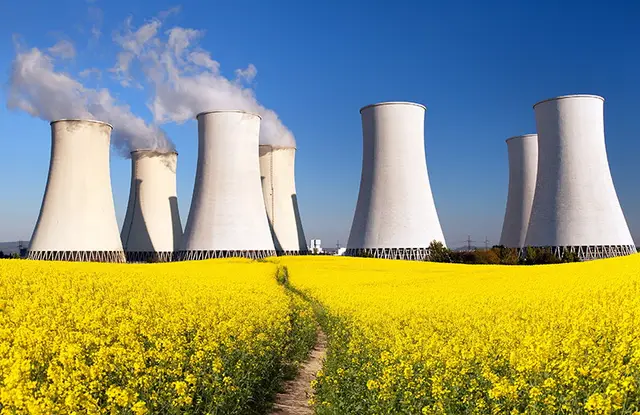
Nuclear power is returning as a complement to renewables and an alternative to fossil-fuel back-up. Whether it gains ground will depend…
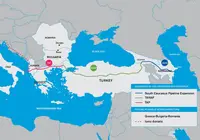
The Southern Gas Corridor has helped reduce the EU’s reliance on Russian gas, but its limited capacity and dependence on transit countries…
European representatives joined consultations in Abu Dhabi but not the direct talks with Russia. Under VCLT Art. 34, a treaty cannot impose…
The Philippine Foreign Affairs Department has attempted to reduce anti-China rhetoric amongst its government representatives, following a…

1. Regarding the EU re-entering the electricity market with the crucial aim in stabilizing energy prices, the UK currently faces an…
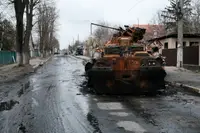
As per hackers’ estimates, the losses of the russian military can be estimated within the range of 400 and 450 thousand killed. Which…

A cyberattack on supermarket fridges has become a diplomatic crisis. France says Iran is behind it, and Tehran says the claim is unfounded.…
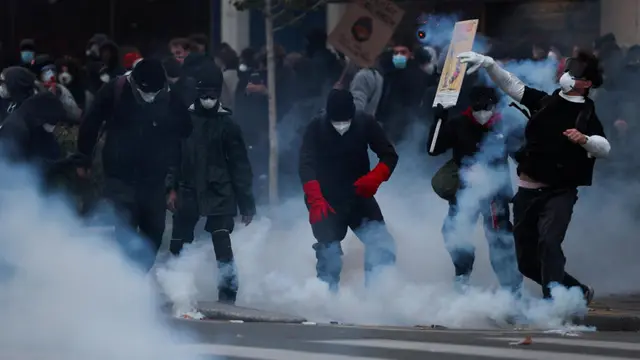
Through social media, Russia has influenced the population in France after the Russia- Ukraine war. The purpose of influence is to…
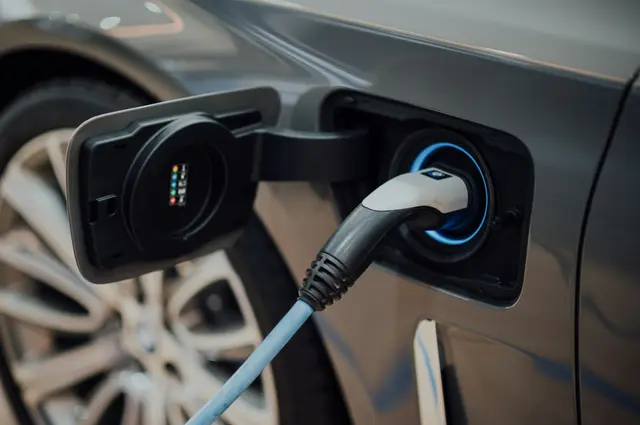
The British government is expected to lower the 2030 annual sales target of EVs from 80% to 60%. This change reflects a broader shift…
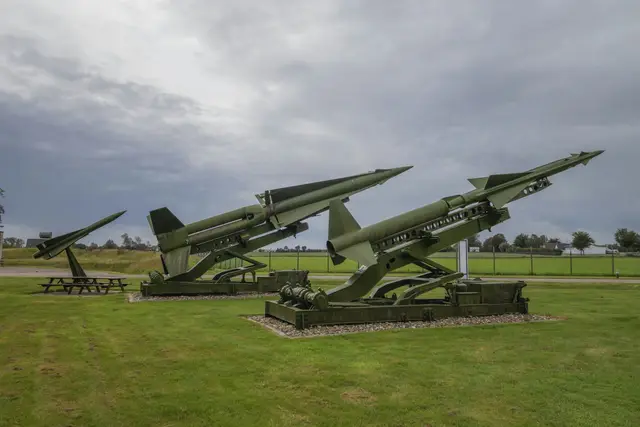
Guest Contribution by Euro Prospects: As Europe races to rearm, its arms export controls risk failing to keep pace, increasing the danger…
Germany’s Hormuz commitment is now a standby capability, not an operation. Unlike Aspides, where Berlin deployed within…
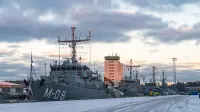
Iron Gate aims at the overland and Caspian routes Tehran uses to rebuild its military industries: Russian detonators…
France’s diplomatic challenge is to turn European representation into influence over Ukraine’s future security.

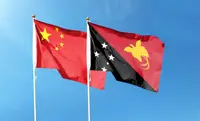
China’s growing influence in the South Pacific is challenging Taiwan’s diplomatic presence and raising questions about…
The representatives of the USA will meet their German colleagues in Berlin, discuss the drug tariffs and prices, a…

Paradoxically, by leaving the European Union after Brexit, the UK has relinquished many of its beneficial freedoms and…

Mélenchon’s 2027 programme links economic reform with a push for greater French sovereignty, challenging both EU…
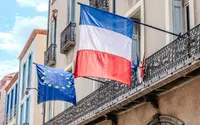
China’s efforts to arrange a meeting between Xi, Trump and Putin reflect its ambition to play a central role in…
The question of how the UK is going to solve the issue of the illegal migration that was one of a cornerstone issues of…

Iran’s threat to strike Europe is mainly coercive: it aims to make hosting US bases costly and to split European…

Specialised teams focusing on different world regions, publishing monthly briefs on current political developments and providing in-depth analysis of regional and global contexts.
Cross-regional groups organised around policy domains — from AI and cybersecurity to human rights — publishing monthly reports that connect experts with comparable interests across geographies.
Dynamic platforms fostering knowledge exchange and critical discussions on global issues through five distinct publication formats.
In-depth policy analysis and long-form research from EPIS Fellows. The flagship publication of the Thinktank.
Short-form commentary on current affairs and political developments — rapid, sharp, and timely.
Concise expert conversations on pressing international questions, structured around ten key themes.
Accessible introductions to foreign policy concepts designed for new fellows entering the field.
Academic-standard papers submitted to peer-review processes and maintained to scholarly citation norms.
Focus on critical global issues by region, providing in-depth analyses and policy recommendations addressing climate policy, human rights, international relations, and security.
Focus on critical global issues by policy domain, producing long-form analyses each semester across climate policy, human rights, international relations, and security.
Apply for EPIS Fellowship to gain access to working groups, peer review processes, and publication in the EPIS Magazine and beyond.