The Pillars of the Reset
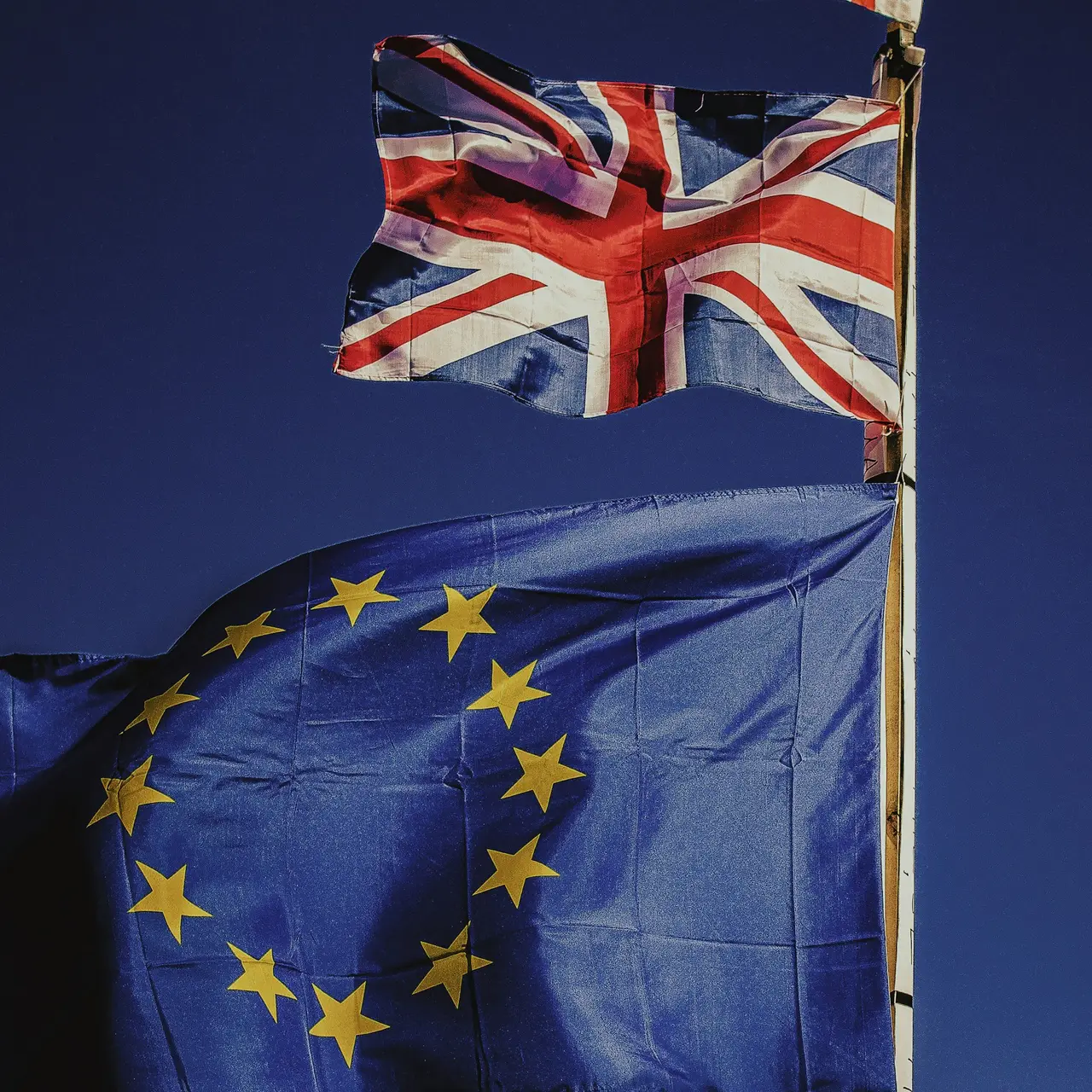
At the highly anticipated EU-UK summit, leaders unveiled a series of agreements set to improve relations. The most significant for the British economy is the agreement on agri-food trade. Animals, plants, and food products will be able to cross borders without certificates or border checks.
An agreement was also reached on youth mobility, which is set to allow 100,000 under 32s to live and work on either side for up to 3 years. This element is expected to be implemented by 2030, although no agreement has been reached on tuition fees.
Finally, an energy deal is set to link the EU and UK emissions trading systems. This means producers will be exempt from each other’s carbon border levies.
The Case for Rapprochement
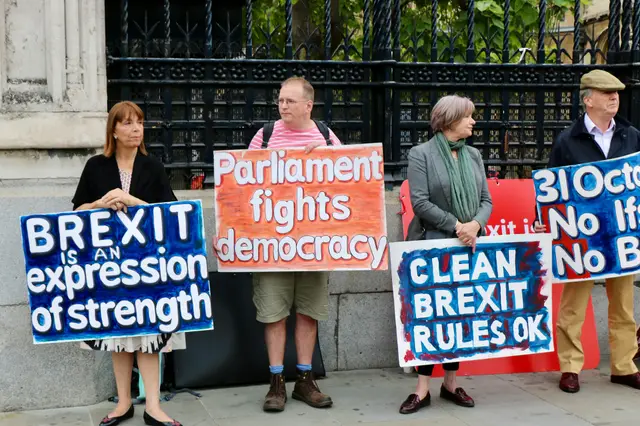
Ten years on from the Brexit referendum, a majority of Britons now view the exit from the bloc as a mistake. At the time of the referendum, supporters of Brexit presented the image of an independent Britain that embraced free trade and prioritised the special relationship with the United States. Since then, Russia’s war in Ukraine, the US trade war, and the Iran crisis have disrupted the international order and highlighted Britain’s uncertain position on the world stage. As the economic, strategic, and security interests of the EU and Britain converge, these geopolitical pressures have served as a catalyst to rethink the relationship.
While the deal remains modest compared to the pre-2016 relationship, it signals a willingness to rebuild ties. Ultimately, closer cooperation is not only a pragmatic choice, but also a strategic necessity.