Senegal’s Emergence as a New Petroleum Powerhouse
Senegal’s emergence as a petro-state marks a historic structural pivot in West Africa’s political economy. Amid ongoing political shifts and security realignments across the Sahel, Senegal’s expanding energy infrastructure reinforces its standing as a diplomatic, financial, and logistics anchor within West Africa.
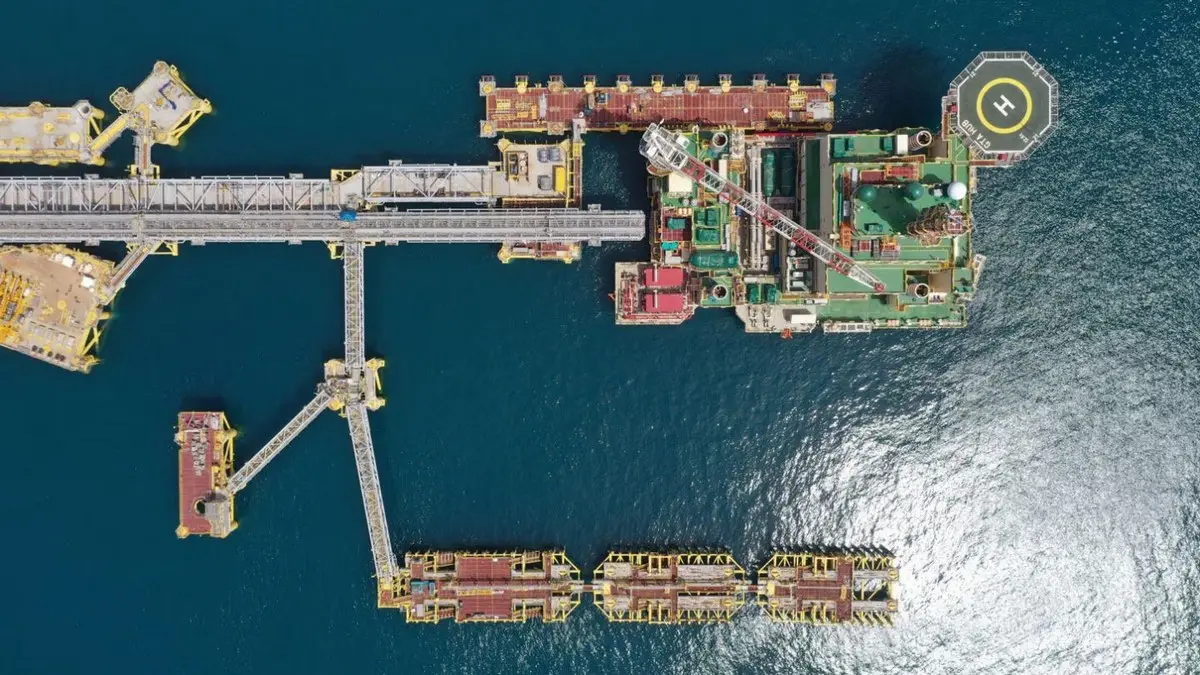
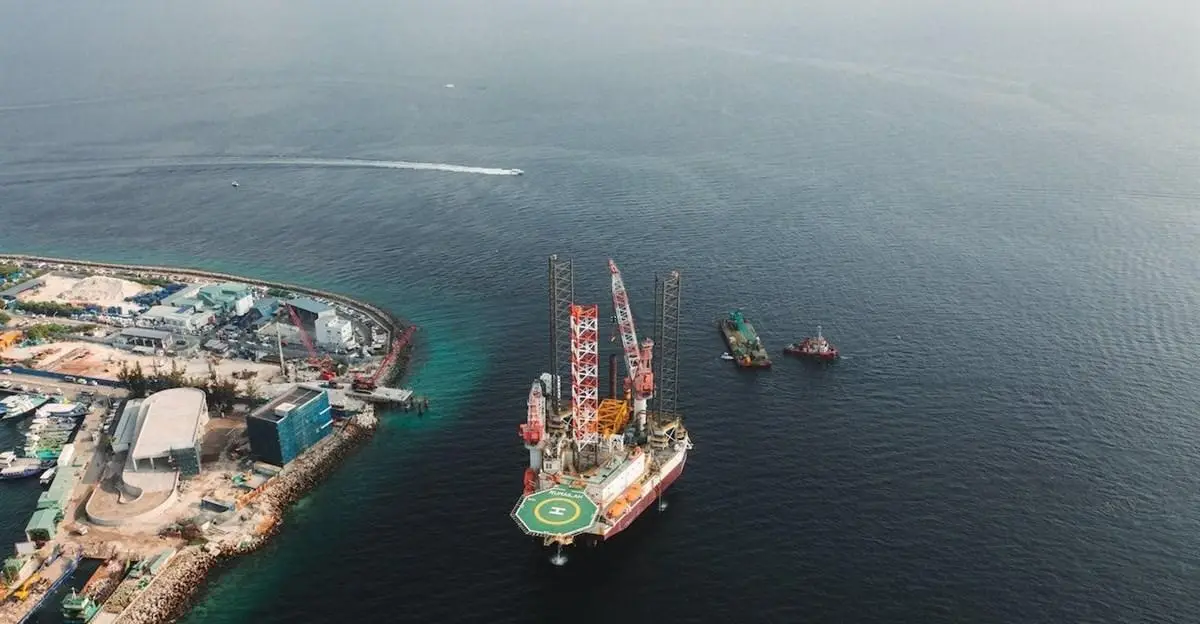
With Woodside Energy’s Sangomar field delivering first oil in mid-2024 and the offshore Greater Tortue Ahmeyim (GTA) project producing liquefied natural gas (LNG), Dakar has joined the ranks of global energy exporters (Woodside Energy, n.d.).
The significance of Senegal’s entry into the petroleum industry extends beyond the discovery of commercially viable offshore reserves. It represents an opportunity to reposition the country’s economy within regional and international energy markets. An important institution in this process is PETROSEN (Société des Pétroles du Sénégal), Senegal’s national oil company, established in May 1981 and 99% owned by the Senegalese state (Ministry of Energy, Petroleum and Mines, Senegal, n.d.). Becoming an energy exporter does not guarantee industrialisation, as Nigeria and Angola demonstrate. Senegal must use petroleum revenues to drive economic diversification, learning from their experiences by investing in domestic electricity infrastructure, avoiding collateralised debt, promoting early local value addition, and strengthening institutional and regulatory transparency.
There is already a legal foundation upon which this transformation can be built. Senegal’s Petroleum Code (Law No. 2019-03) establishes the framework for petroleum exploration, production, transportation, and related activities (International Energy Agency [IEA], 2025). Its Local Content Law (Law No. 2019-04) seeks to increase Senegalese participation in the petroleum value chain (Vie Publique, 2019). Furthermore, Law No. 2022-09 establishes rules for distributing and managing revenues generated from hydrocarbon exploitation (Vie Publique, 2022).
Angola and Nigeria – Institutional Strengths and Structural Weaknesses
Angola serves as a clear case study in the structural pitfalls of deepwater extraction. In the first quarter of 2026 alone, Angola exported 86.18 million barrels of crude, generating over $7.16 billion in gross export value. Hydrocarbons routinely account for over 90% of total export receipts and roughly half of state fiscal revenues (Ver Angola, 2026).
Angola’s experience is particularly relevant because it demonstrates that the ability to attract foreign investment and sustain petroleum production does not necessarily translate into broad-based economic development.
Angola has also been used as a case study in Nigeria. In a review of N. J. Ayuk’s Crude Oil: Power, Turnaround and Transformation in Angola, Nigerian journalist Onome Amawhe highlights key features of Angola’s petroleum sector, including its dependence on crude oil (Amawhe, 2026). This comparison is particularly useful because Nigeria and Angola have both fallen into the trap of crude-oil dependency, despite representing different experiences in their development as petro-states. Both countries possess considerable hydrocarbon resources, but their petroleum sectors developed under different institutional, political, and operational conditions.
Nigeria’s petroleum industry developed around a large onshore and shallow-water production base, alongside substantial offshore operations. Its challenges have included pipeline vandalism, crude theft, insecurity in producing regions, environmental degradation, regulatory uncertainty, and inadequate domestic refining capacity (Frynas, 1999). Angola, on the other hand, developed a petroleum economy increasingly centred on offshore deepwater extraction. Its centralised petroleum administration allowed it to maintain relationships with international oil companies and attract technologically sophisticated investments, even during periods of domestic political instability (Energy Chamber, 2026).
Neither model represents an uncomplicated success; rather, both reveal different dimensions of the resource curse—the paradox whereby resource-rich countries experience poor economic and institutional outcomes despite substantial revenues generated from those resources. This is particularly relevant to Senegal because the development of its petroleum industry should not undermine existing productive sectors such as agriculture, fisheries, manufacturing, and tourism.
These experiences have left Angola and Nigeria vulnerable to price shocks, production decline, and governance failure. As Amawhe (2026) observes in the article, declining crude output can weaken government revenue, slow investment, complicate reserve replacement, and undermine public trust when oil income fails to improve living standards. The Guardian article calls for strong institutions, emphasising the problems that arise when countries rely on crude oil without building robust institutions around the sector.
Strong institutions provide predictable rules governing taxation, licensing, ownership, environmental obligations, contract enforcement, and the repatriation of profits. Such rules can create an investor-friendly environment, mitigate political risk, reduce transaction costs, and attract long-term foreign direct investment.
Strong institutions also protect sovereign revenue streams from pre-financing schemes. They must establish clear distinctions between policy formulation, regulatory supervision, commercial participation, and revenue management.
For Senegal, the oil and gas sector is still at a nascent stage, but already exceeding expectations, producing 36.1 million barrels in 2025 (Africanews, 2026). PETROSEN must therefore be evaluated not merely by its capacity to participate in petroleum projects but also by its ability to develop domestic expertise, participate commercially, and operate within a transparent institutional framework.
Three Strategic Lessons for Senegal – Avoiding the Resource Curse and Building Domestic Economic Value
1. Avoid the Enclave Trap
Angola’s mature oil economy highlights the danger of treating petroleum as an isolated export enclave. During peak production years, Angola generated over $7 billion quarterly in crude exports, yet as of 2022, half of its population lacked access to electricity, according to World Bank development indicators (World Bank, n.d.). Capital was funneled into offshore deepwater extraction while domestic refining and utility grids were starved of investment.
Senegal’s intention to learn from the mistakes and failures of other African petroleum-producing countries has already been explicitly acknowledged in its petroleum policy discussions. In 2021, for instance, an article published in Eurasia Review highlighted Senegal’s ambition to learn from the experiences of other African producers and avoid the resource curse (Klomegah, 2021).
However, recognising the mistakes of other countries is different from successfully avoiding them. The real test lies in implementation.
2. Reject Collateralised Crude
Following the end of its civil war in 2002, Angola embarked on an ambitious post-war reconstruction programme, financed substantially through resource-backed credit arrangements, particularly oil-secured loans from Chinese state financial institutions. These arrangements enabled the government to obtain immediate financing for infrastructure development in exchange for commitments against future oil revenues, with Sonangol playing an important role in the arrangements, including the supply and allocation of oil shipments associated with debt repayment (Alves, 2013).
However, Angola’s heavy dependence on petroleum revenues exposed this financing model to considerable fiscal risks when global oil prices fluctuated. The resulting decline in oil receipts, combined with mounting external debt and rising debt-servicing costs, significantly reduced the government’s fiscal flexibility. Expenditure increased when oil prices and revenues rose and decreased when oil prices dropped (World Bank, 2023).
Oil-backed financing can be attractive to governments because petroleum exports provide a relatively predictable source of foreign currency when production and prices are stable. It can also enable countries to obtain financing for infrastructure projects when access to conventional international capital markets is limited or expensive. However, problems arise when governments commit future petroleum revenues without adequately accounting for the volatility of international oil prices, among other risks. Senegal’s public debt levels therefore require disciplined fiscal management. Sovereign revenues should instead flow through transparent fiscal frameworks and Senegal’s national oil fund to protect macroeconomic stability against global price swings.
Senegal’s 2022 Hydrocarbon Revenue Management Law establishes three channels for petroleum revenues: the national budget, a Stabilisation Fund, and an Intergenerational Fund. It also prohibits mortgaging future hydrocarbon resources, providing a safeguard against the oil-backed financing risks experienced by Angola (Vie Publique, 2022).
3. Build Domestic Value Early: Mandate Local Feedstock and Refining
In Nigeria, crude production disruptions associated with oil theft, pipeline vandalism, operational challenges, and underinvestment can reduce the volume of oil available for export. Even when international oil prices are favourable, a country cannot fully benefit from high prices if it is unable to produce and export sufficient quantities.
Beyond these challenges, Nigeria’s petroleum sector has also struggled to capture the full economic value of the crude it produces. This is reflected in the country’s historical “export raw, import refined” paradox.
Despite producing over 1.5 million barrels per day, the country imported over 90% of its refined petroleum products due to dilapidated state refineries, incurring vast subsidy bills that depleted government reserves (Shuaibu, 2026; The Guardian Nigeria, 2025).
Nigeria’s historical refining difficulties demonstrate the limitations of an export-oriented petroleum economy that fails to develop sufficient domestic processing capacity. The country produces crude oil for export but has depended heavily on imported refined petroleum products to meet domestic demand. This creates exposure to international fuel prices, foreign exchange pressures, and disruptions in international supply chains.
Nigeria’s ongoing structural pivot is driven by the implementation of the Petroleum Industry Act (PIA) and the scale-up of the private 650,000-barrel-per-day Dangote Refinery. Further country-level information is available from the U.S. Energy Information Administration (EIA, 2025).
For Senegal, domestic feedstock availability should be considered in the wider context of its emerging oil and gas industry.
Conclusion
Angola and Nigeria show that petroleum reserves alone do not guarantee economic development; institutional design and policy execution dictate the outcome.
Senegal enters the oil and gas sector at a distinct advantage, having clear examples before it. By channelling offshore natural gas directly into domestic electrical grids, protecting fiscal revenue from collateralised debt, and requiring local value addition from the outset, Senegal has the opportunity to establish a sustainable model for resource-led industrialisation across West Africa.
Senegal’s emerging petroleum industry presents an opportunity for economic transformation, but the experiences of Angola and Nigeria demonstrate the dangers of resource dependence, weak accountability, and inadequate domestic value addition. Angola illustrates how oil-backed borrowing and an export-oriented economy can undermine fiscal stability and diversification, while Nigeria highlights the consequences of production disruptions and insufficient refining capacity. Drawing on these lessons, this article argues that Senegal must avoid the resource curse by investing petroleum revenues in domestic infrastructure, expanding local refining and industrial participation, rejecting collateralised borrowing, and strengthening institutional transparency and accountability. Ultimately, petroleum wealth must serve economic diversification, not replace it.
References
Africanews. (2026, January 8). Senegal’s 2025 oil output exceeds predictions to reach 36.1 million barrels. https://www.africanews.com/2026/01/08/senegals-2025-oil-output-exceeds-predictions-to-reach-361-million-barrels/
Amawhe, O. (2026, May 25). From crude oil to transformation: Angola’s lesson for Nigeria. The Guardian Nigeria. https://guardian.ng/opinion/from-crude-oil-to-transformation-angolas-lesson-for-nigeria/.
Alves, A. C. (2013). Chinese economic statecraft: A comparative study of China’s oil-backed loans in Angola and Brazil. Journal of Current Chinese Affairs, 42(1), 99–130. https://doi.org/10.1177/186810261304200105.
Energy Chamber. (2026, June 26). How Angola’s deepwater oil system became a blueprint for investment-led energy growth. https://energychamber.org/how-angolas-deepwater-oil-system-became-a-blueprint-for-investment-led-energy-growth/.
Frynas, J. G. (1999). Oil in Nigeria: Conflict and litigation between oil companies and village communities. LIT Verlag.
International Energy Agency. (2025, November 26). Petroleum Code 2019 (Law No. 2019-03). https://www.iea.org/policies/11823-petroleum-code-2019-law-no-2019-03.
Klomegah, K. K. (2021, December 29). Senegal seeks to learn from mistakes of other African countries and reverse ‘resource curse’ – OpEd. Eurasia Review. https://www.eurasiareview.com/29122021-senegal-seeks-to-learn-from-mistakes-of-other-african-countries-and-reverse-resource-curse-oped/.
Ministry of Energy, Petroleum and Mines, Senegal. Société des Pétroles du Sénégal (PETROSEN). https://energie-mines.gouv.sn/societe-des-petroles-du-senegal-petrosen/.
Shuaibu, F. (2026, September 14). Nigeria produced 1.5m barrels of crude oil in August. Daily Trust. https://dailytrust.com/nigeria-produced-1-5m-barrels-of-crude-oil-in-august/.
The Guardian Nigeria. (2025, August 18). Nigeria sustains 1.5m bpd oil output for second consecutive month: OPEC. https://guardian.ng/energy/nigeria-sustains-1-5m-bpd-oil-output-for-second-consecutive-month-opec/.
U.S. Energy Information Administration. (2025, November 18). Nigeria country analysis. https://www.eia.gov/international/analysis/country/NGA.
Ver Angola. (2026, July 10). Angola’s export prices rose 25 percent in the first quarter, driven by oil. https://www.verangola.net/va/en/072026/Trade/49447/Angola’s-export-prices-rose-25-percent-in-the-first-quarter-driven-by-oil.htm.
Vie Publique. (2019, January 24). Loi n° 2019-04 relative au contenu local dans le secteur des hydrocarbures. https://www.vie-publique.sn/documents/11014/loi-2019-04-contenu-local-secteur-hydrocarbures-senegal.
Vie Publique (2022, April 19). Loi n° 2022-09 relative à la répartition et à la gestion des recettes issues de l’exploitation des hydrocarbures. https://www.vie-publique.sn/documents/11008/loi-2022-09-gestion-recettes-hydrocarbures-senegal-2022.
Woodside Energy. Sangomar. https://www.woodside.com/what-we-do/operations/sangomar.
World Bank. Angola. https://www.worldbank.org/ext/en/country/angola.
World Bank. (2023, February 28). Angola public finance review: Executive summary (Report No. AUS0003257). https://documents.worldbank.org/en/publication/documents-reports/documentdetail/099081003082313537.