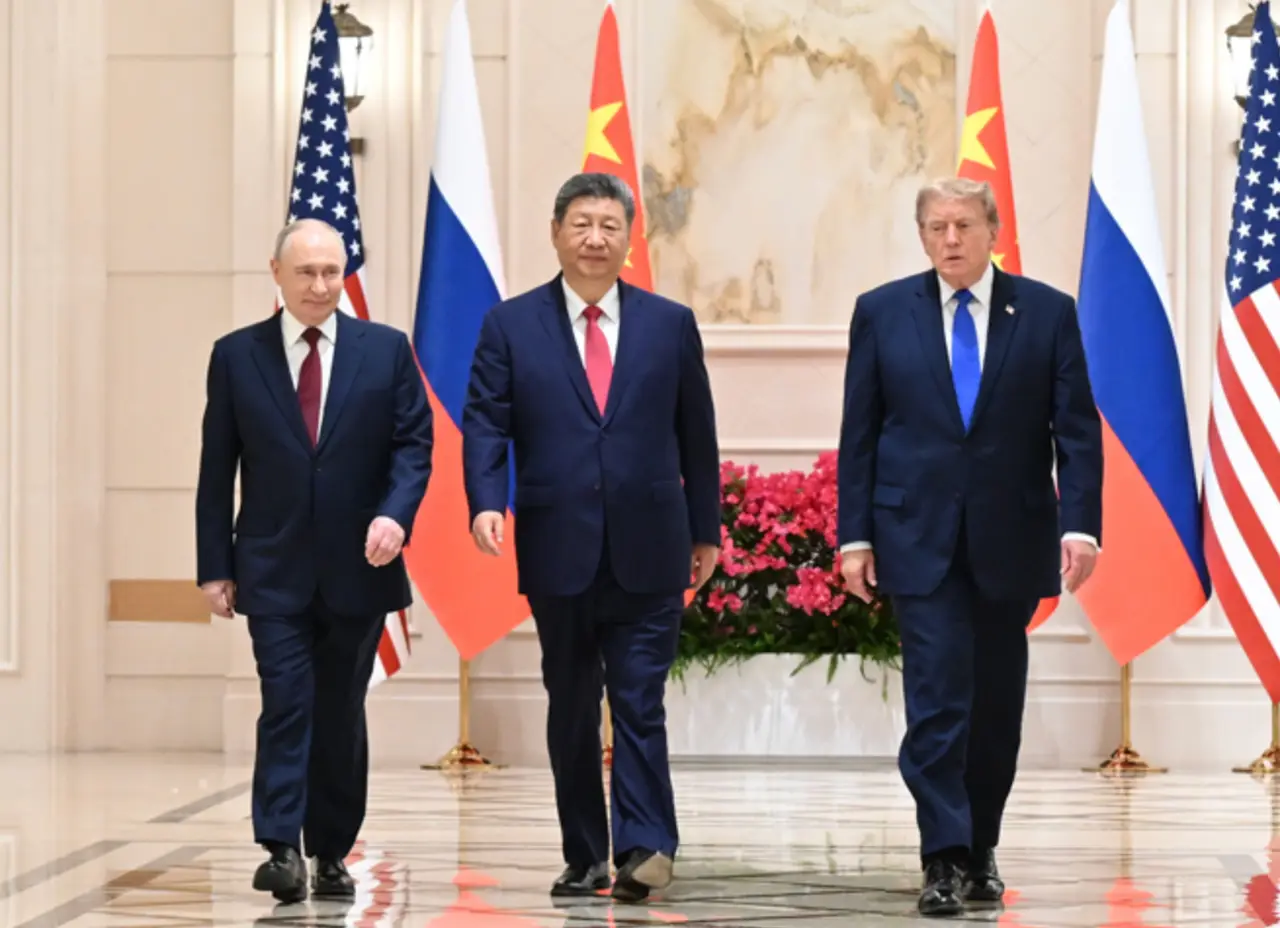
Following the unprecedented trilateral summit between Chinese President Xi Jinping, Russian President Vladimir Putin, and US President Donald Trump last week, analysts have stated that China will seek to benefit from their joint warning against the International Criminal Court, specifically in the context of the disputed South China Sea region.
The joint declaration issued by the three leaders stated that, “the principle of state consent and respect for immunities of state officials are of paramount importance”. In that regard, the International Criminal Court and “other similar bodies” should not “abuse their jurisdiction”.
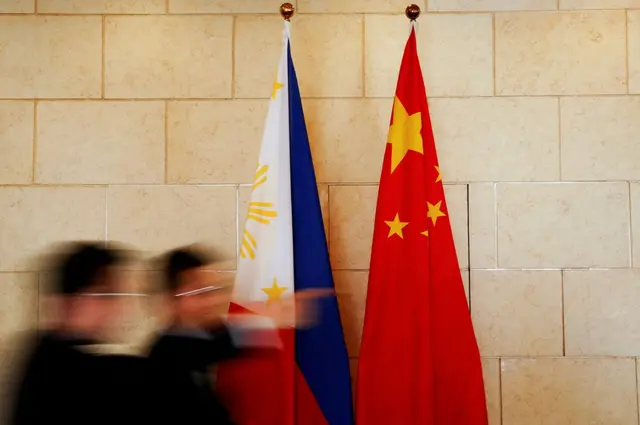
Whilst the context of this warning for Moscow and Washington is immediate, China seeks to benefit from this, most notably in regards to the 2016 tribunal ruling issued by the Permanent Court of Arbitration, which saw The Hague ruling in favour of the Philippines, criticising Beijing’s “nine-dash line” claims.
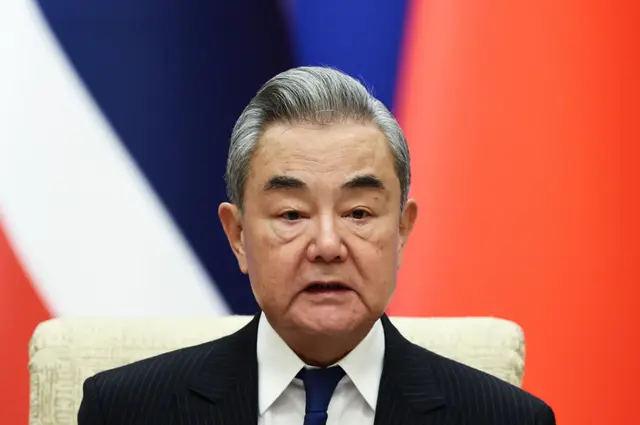
Chinese Foreign Ministry spokesperson Guo Jiakun stated that whilst Beijing considers international judicial institutions as “constructive”, strict limits should apply based on state consent and sovereignty, adding that such institutions should avoid engaging “in politicisation, or apply double standards”. As the South China Sea dispute largely centres on China’s claim to territorial sovereignty, China has generally considered criticism of its actions in the region as invalid.
In 2016, China boycotted the proceedings, arguing that the court had no jurisdiction without Beijing’s clear consent. By getting major powers, such as the US and Russia, to condemn “similar bodies” of international jurisdiction, China can further frame the 2016 South China Sea tribunal as an illegitimate overreach.