Anti-China rhetoric as a hindrance to effective “high-stakes diplomacy”
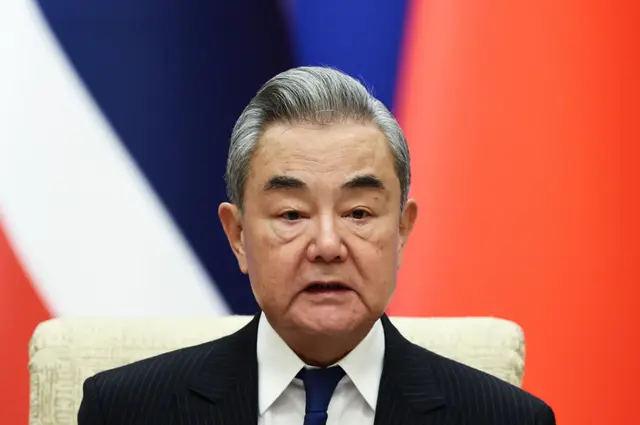
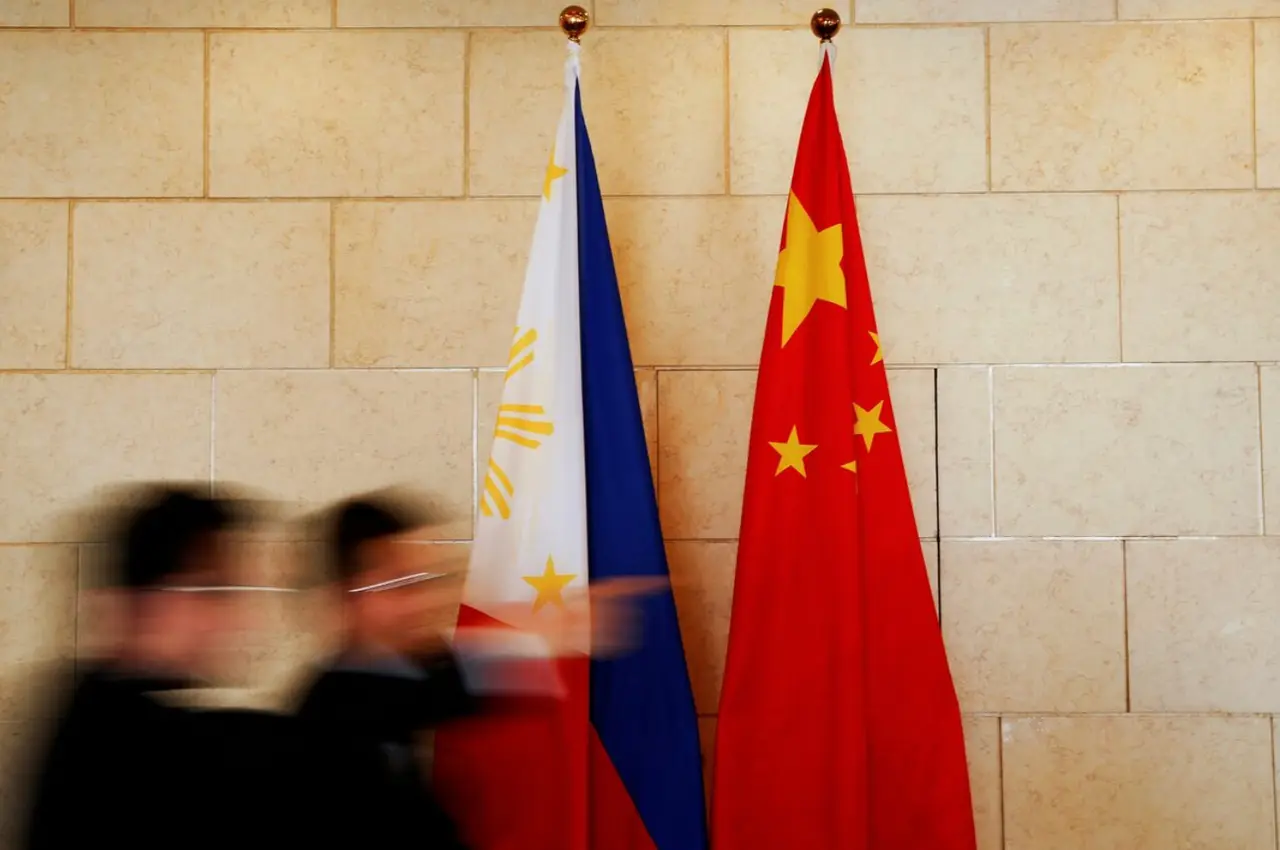
The Philippine Foreign Affairs Department has attempted to reduce anti-China rhetoric amongst its government representatives, following a recent warning Chinese Foreign Minister Wang Yi had made. This effort to curb outspoken criticism towards China, particularly within the context of the South China Sea dispute, comes ahead of the Philippines hosting the Association of Southeast Asian Nations (ASEAN) summit on November 16th.
The Philippine Foreign Affairs Department posed that an anti-China rhetoric could impair upcoming diplomatic efforts, stating that “in high-stakes diplomacy, a disciplined and coherent national voice remains essential to advancing our national interests.”
Furthermore, its statement reflected the government’s effort to combat potential misalignment amongst the stances of Filipino representatives, as “individual officials, agencies or sectors do not independently determine the direction of our international relations.” In this regard, “they may not pursue preferred approaches towards China, or any other international partner, without regard for the consequences on the government’s overall policy.”
Regional solutions through narrative regulation
Ahead of hosting and chairing the ASEAN summit, analysts say the Philippines is choosing to position itself as a neutral player. As such, this effort to prevent bilateral tensions from overshadowing shared regional issues also poses a willingness to adapt its internal perspective to the desired narrative of China, reflected in the reprimand its officials face when voicing criticism toward the PRC.