
Home/Working Groups/Uncategorized/China rejects allegations of espionage targeting Nvidia chief

China rejects allegations of espionage targeting Nvidia chief

Beijing rejects espionage allegations as questions emerge over the timing of US intelligence claims

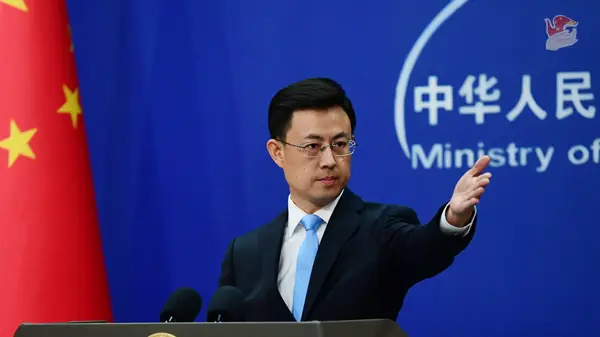
Chinese Foreign Ministry spokesperson Guo Jiakun at a press conference in Beijing, China, January 6, 2025. /Chinese Foreign Ministry
Chinese Foreign Ministry spokesperson Guo Jiakun at a press conference in Beijing, China, January 6, 2025. /Chinese Foreign MinistryChinese Foreign Ministry dismisses allegations of Chinese intelligence gathering involving Nvidia CEO Jensen Huang as “groundless speculation”.
Key Insights

The timing and handling of the allegations deserve scrutiny, particularly given that US intelligence reportedly briefed Trump on the matter roughly a year ago.

/PDF
2 min read
Follow us on Google

China has dismissed allegations that Chinese businesswoman Alice Huang gathered intelligence for Beijing through in connection with her contacts with Nvidia chief executive Jensen Huang, describing the claims as “groundless speculation”. The allegations, first reported by The New York Times and based on unnamed US sources, centre on Alice Huang, a former executive at Singapore-based data centre firm Megaspeed. Jensen Huang has since admitted to an extramarital affair, although he did not identify the woman in his apology to employees. US officials reportedly suspect Alice Huang was working for Beijing, but it remains unclear what information she may have obtained or shared. Nvidia has launched an independent investigation into the matter.

When Business Ties Become Geopolitical Suspicion

The allegations emerge amid broader US efforts to restrict China’s access to advanced computing technology, making careful scrutiny of espionage claims particularly important. Allegations based on unnamed sources should not be treated as established fact, especially when it remains unclear what intelligence was allegedly shared, or whether any information was shared at all. Reports also indicate that President Trump was briefed on the matter by US intelligence agencies roughly a year ago, yet no public action followed. This raises questions about why the allegations have only now surfaced publicly and what prompted their disclosure at this particular moment. The matter warrants closer scrutiny, including an examination of potential political motivations on the US side, rather than simply accepting the allegations at face value or attributing blame to China.
Christian Wehrmann Christian Wehrmann is a German undergraduate student pursuing a Bachelor’s degree in Guangzhou, China. Alongside his academic studies, he has developed a strong interest in international relations, geopolitical developments, and public policy, particularly the evolving relationships between China, the United States, and Europe.

Cite this brief
Wehrmann, C. (2026). China rejects allegations of espionage targeting Nvidia chief. EPIS Insight · Uncategorized.
© 2026 EPIS · Independent · Non-partisan · Funded by the EPIS FellowsImprint · Privacy · · RSS

Privacy preference centre

When you visit a website, it may store or read information in your browser, mostly in the form of cookies. Choose below which categories we may use. Your choice is kept for 12 months, and you can change it here at any time. Privacy Policy

Manage consent preferences

Always active