

Introduction
In the current era, the role of directors and officers (D&Os) is indisputably crucial. Corporations possess immense power, but this power comes with certain (legal) implications. For instance, in case of a violation of a legal rule by a corporation, it bears liability due to its separate legal personality (Vicari, 2021). However, D&Os may also incur personal liability for violating their corporate duties (Vicari, 2021). Notably, the scope and standards of such liability vary across jurisdictions, and the degree to which ESG factors must be considered remains uncertain (Cheong, 2024). Regardless, the increased significance of the position of D&Os has led to a change in their treatment. Instead of answering exclusively to their companies, D&Os are now subject to a plethora of additional statutory duties (Agarwal et al., 2026). This has narrowed the managerial discretion they used to enjoy and the protection afforded by the business judgement rule (Cheong, 2024). Additionally, the rise of Environmental, Social and Governance (ESG) policies which corporations must integrate may cause reputational harm that in turn hurt the shareholders, who turn to D&Os for compensation (Jimenez, 2024). Such litigation risks could be contained via mitigation and risk transfer (Struck, 2023).
The response to legal threats that arise out of said duties is D&O liability insurance, offering a shield of protection to directors and officers against the potential of being personally sued for their own assets – in addition to the corporate liability of the company (Weterings, 2015). Simultaneously and subsidiarily, D&O liability insurance functions as a counterbalancing factor to the duties with which D&Os must comply, affording to them a degree of liberty, and even incentivising them, to take more risks towards the financial success of the company (Weterings, 2015). The paper will therefore emphasise the importance and necessity for D&Os to obtain coverage in light of the legal perils that have emerged to threaten them, in particular in Europe, a currently pressing topic, which will also continue to perplex insurers in the current era of increased ESG and sustainability litigation (Kunreuther & Michel-Kerjan, 2007).
The Rise of ESG and Sustainability Litigation
ESG and sustainability litigation is a corporate and legal subject that has recently expanded exponentially. Civil society now demands accountability for the failure to address the climate crisis (Miazad, 2024). This transformative phase stems from a number of factors, such as the evolving regulatory environments, the increased awareness of company stakeholders, as well as the deteriorating situation of the global climate crisis (Yalçın, 2025). Regulatory requirements have increased, encompassing due diligence obligations and mandatory reporting and disclosure, while the complexity and scope of actions based on ESG-related rights has broadened (Agarwal et al., 2026). In this context, ESG and sustainability litigation is constantly being redefined and reshaped. It covers a wide range of issues, such as ‘climate change, human rights, labour practices, diversity and inclusion and corporate governance’ (Cheong, 2024, p. 352). All these broad areas constitute avenues for legal action against corporations, and, by extension, D&Os. In addition to that, a groundbreaking development is the insertion of those issues into legislation, forming the legal basis for more and more claims. In other words, corporate responsibility requirements have now been transformed into hard law (Agarwal et al., 2026). Hence the prominence of ESG and sustainability litigation.
Case law comes to substantiate this evolution. Within Europe, there are landmark cases already. One is Milieudefensie et al. v Royal Dutch Shell where the Hague District Court resorted to international soft law in order to interpret the corporate duty of care under Dutch tort law and eventually ordered Shell (based on the ‘duty of care exercised in society’ – a very general normative standard of conduct) to reduce its global carbon dioxide emissions by 45 percent by the end of 2030, with 2019 levels being the reference point (Macchi & van Zeben, 2021). The groundbreaking part of the case consists in that Shell was not only held liable for the emissions of the Shell group of companies and of its subsidiaries, but also for emissions stemming from Shell’s relationship with suppliers and end-users (Macchi & van Zeben, 2021). However, on 12 November 2024, the Hague Court of Appeals ruled that the 45 percent reduction of emissions could not be imposed while it confirmed a general duty of care for corporations (Johannsen et al., 2025).
Another important case is Lliuya v RWE AG, where the Higher Regional Court of Hamm acknowledged for the first time in Germany that corporations could, in principle, be held liable for damages abroad caused by their emissions (Dilling & Schaller, 2026).
A third landmark case worth mentioning is Verein KlimaSeniorinnen Schweiz v Switzerland. Although it concerned State obligations under the ECHR rather than corporate liability, it reflects the same trend (Reich, 2026).
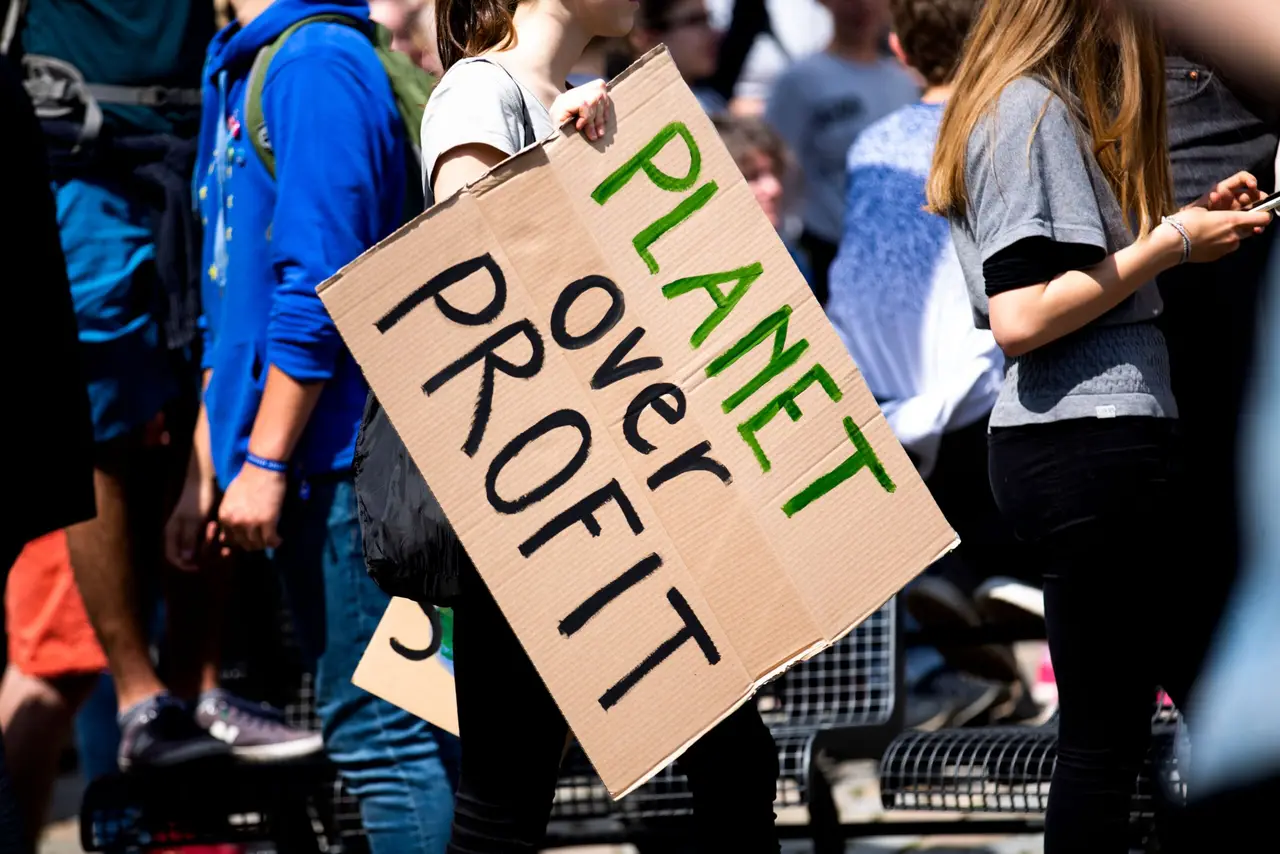
Although these cases were not directed against D&Os, the underlying legal logic has migrated to claims against individual officeholders, which can be demonstrated via a second set of cases. For instance, in ClientEarth v Shell Plc and Others in the UK, the claimants challenged (unsuccessfully) Shell’s board of directors on grounds of violation of their fiduciary duties relating to Shell’s climate change commitments and obligations; in McGaughey Anor v Universities Superannuation Scheme Ltd, the plaintiffs brought an unsuccessful claim contesting the allocation of finances to projects contrary to climate action; finally, in the currently pending Enea v Former Board Members and D&O Insurers, the firm’s shareholders agreed to file a claim to hold its directors liable for lack of due diligence regarding an investment to a coal power plant, which resulted in significant financial damage to the firm (Huys et al., 2025). Notably and naturally, even unsuccessful claims create defence costs and reputational harm, as potential D&O liability is always negative for the financial and reputational statues of a firm (Weterings, 2015).
All the aforementioned cases reveal a trend of novel climate litigation; the first set does so in a broader context, whereas the second set indicates specifically the expansion of the scope of the duties that D&Os must comply with. This represents a new line of exposure for managers with empty promises, whose legal duties have been augmented (Miazad, 2024).
ESG- and Sustainability-Related Duties of Corporations and D&Os
D&O duties and obligations remain, in principle, a matter of national law, with their precise content, standards and enforcement mechanisms differing across European jurisdictions (Seet & Lim, 2025). Nevertheless, a common thread across those jurisdictions is the duty to act in the best interests of the company, the violation of which during decision-making may lead to sanctions (Lan & Wan, 2023). Moreover, in all jurisdictions to date, directors need to comply with general duties of care (Binder, 2023). The final, almost universally accepted duty of D&Os is the duty to act loyally to the company (Josková & Tomášek, 2022). Within the Member States of the European Union, D&Os are subject to other similar duties, such as the duty to avoid actual and potential conflicts of interest and the duty to ascertain the integrity of the undertaking’s financial statements (Sibindi & Bongani Sibindi, 2025). Once again, however, it must be emphasised that, although there are certain principles that are commonly shared by different Member States, D&O duties are not harmonised at the European level; thus, the concrete requirements and regulation of the civil liability of D&Os are to be found in national laws (Your Europe, 2025).
Newly emerging risks are interfering into the business area more than ever before (Duzgun, 2026). ESG variables and considerations have become essential to corporate management and decision-making (Ketterling, 2026). Hence, the regulatory framework focusing on ESG and sustainability has expanded and has become significantly stricter (de Mariz et al., 2025). Besides such governmental interference, corporations and D&Os face increasing pressure from other stakeholders, such as investors and customers, to illustrate transparently how their operations align with ESG considerations (Ketterling, 2026). Within the borders of the European Union, the foundations of ESG initiatives and regulation lie in the 2019 European Green Deal, which signalled a new approach of the EU towards undertakings to comply with a number of policy packages aiming towards a more sustainable future and with the directives that ensue therefrom (Borghesi et al., 2025).
In terms of legislation, up until 2023, ESG and sustainability regulations had been confined merely to reporting obligations regarding issues of corporate social responsibility (Binder, 2023). However, in that year, the regulatory landscape changed significantly. The Non-Financial Reporting Directive (NFRD) of 2014 was amended by the Corporate Sustainability Reporting Directive (CSRD) of 2022 (entered into force in 2023), which encompasses a wider scope of reporting obligations on ESG issues, covering ‘sustainability matters’ in general (Binder, 2023, p. 21). Pursuant to the revised Art. 19a, it covers a wide range of undertakings and applies to their entire supply chain, significantly broadening the scope of application of the reporting requirements. Under Art. 34 of the Accounting Directive as amended by the CSRD, the EU implements mandatory third-party assurance regarding disclosure obligations (Kumashiro, 2026). Importantly, the core of the obligations imposed on corporations and D&Os consists in the concept of double materiality and its assessment. The notion combines the impact that ESG considerations have on the performance of corporations (inward impact), and the impact of the corporations’ operations on the environment and the relevant stakeholders (outward impact) (de Mariz et al., 2025). For instance, Arts. 19a(1) and 29a(1) of the Accounting Directive as amended by the CSRD reflect precisely this approach (Duzgun, 2026).
Based on Art. 29b of the Accounting Directive as amended by the CSRD, the European Commission adopted in July 2023 the European Sustainability Reporting Standards (ESRS), which apply to all companies that fall within the scope of the CSRD (Borghesi et al., 2025). The ESRS lays out the required data points and narrative format that companies must follow when reporting (European Commission, 2023). It entails 12 standards which are promulgated by the European Financial Reporting Advisory Group (EFRAG) (Frankel et al., 2025). The EFRAG issued guidelines to align the standards adopted by the European Commission with those of the International Sustainability Standards Board (ISSB), essentially inserting the latter into the former (Ketterling, 2026). Importantly, the ESRS also implements the double materiality concept, which is operationalised through the EFRAG guidelines (Duzgun, 2026). An important feature of the ESRS is that it is designed to overcome the shortcomings of the previous generation of directives, in particular, ‘the limited comparability among different ways of delivering non-financial information, the lack of transparency, or the use of boilerplate language’ (Borghesi et al., 2025, p. 285).
Moreover, the Corporate Sustainability Due Diligence Directive (CS3D), adopted on 14th June 2024, came into existence to complement the already thorough reporting scheme implemented in the EU (Duzgun, 2026). The directive introduced new due diligence obligations for corporations, as well as a climate change transition plan – importantly, it aligns with the CSRD in terms of its scope and its reporting requirements (Kuusniemi-Laine et al., 2024). A highly debated and often criticized characteristic of the CS3D is its extraterritorial effects, as it obliges large corporations operating within the EU to prevent or mitigate the adverse effects of climate change and combat violations of human rights, which inevitably leads to extraterritorial implications – for instance, through monitoring their entire supply chain (Feld, 2026). The directive obliges undertakings to conduct due diligence across their supply chains and to prevent, mitigate or, ultimately, end problematic supplier relationships, failing which they face civil liability and fines (Jabotinski & Sarel, 2026). Finally, additional EU legislation relating to ESG and sustainability entails the EU Taxonomy Regulation, the Carbon Border Adjustment Mechanism (CBAM), and the Sustainable Finance Disclosure Regulation (SFDR), which impose further obligations (Yalçın & Oryszczuk, 2024).
Nonetheless, on 3 July 2026, the Commission adopted the Revised ESRS delegated regulation, which ‘reduce[s] mandatory datapoints by 61 percent and total datapoints by more than 70 percent’, with double materiality remaining the core (Hamza, 2026, p. 7). More importantly, on 26 February 2025, during a period when obliged entities under the CSRD were communicating or finalising their reporting documents in accordance with its requirements, the European Commission announced the Omnibus I Package (Stanek-Kowalczyk & Szumniak-Samolej, 2026). The initial proposal included several changes, such as an 80 percent reduction in the number of companies that fall within the scope of the CSRD and were therefore subject to reporting obligations or the abandonment of the idea of producing sector-specific reporting standards (Stanek-Kowalczyk & Szumniak-Samolej, 2026). On top of that, the transposition of the CSRD is postponed until March 2027, while that of the CS3D is delayed until July 2028, and Member States must ensure full compliance by July 2029 (Agarwal et al., 2026). On 18 March 2026, the Omnibus I Package entered into force as Directive 2026/470, officially and bindingly limiting reporting requirements to public-interest entities (and group parents, on a consolidated basis) with more than 1,000 employees and over €450 million in net turnover (Cai, 2026).
Hence, despite the fact that the European legal framework on ESG and sustainability issues remains impressive, the entry into force of the Omnibus I Package arguably functions as a form of deregulation, undermining the previous efforts of the European Union to enforce stricter reporting obligations, and its impacts remain to be seen. Critics have argued that the Package falls short of its promise to simplify the regulatory landscape and does not relieve corporations from their administrative burden, as they were already in the process of preparing the documentation; instead, they claim that the window for deregulation is already closed, and that the European Commission has merely ‘stopped the clock’ (Bertram, 2025, p. 175). Others have pointed out that it signifies an attempt to optimise disclosure requirements rather than regulatory retreat (Thiébaut & Selgas-Cors, 2026). Even if it is accepted that the Omnibus I Package is equivalent to deregulation, what can be taken for granted is that in this developing legal framework, D&Os are subjected to more scrutiny than ever before, which, in turn, leads to more and more claims, from limiting carbon emissions to taking sufficient measures to preserve biodiversity (Miazad, 2024). This might entail national tort law and greenwashing, as well as shareholder claims over misleading sustainability disclosures.
From Corporate Obligations to Personal Exposure
The aforementioned legislation is not to be treated as a direct and immediate source of obligations for D&Os, since they have been adopted at the EU level, and are addressed to corporations. Individual D&Os are not held automatically liable once an undertaking breaches an ESG obligation under EU law. However, this has significant implications for D&Os, as it leads to potentially enhanced and increased oversight of their activities and of the governance of a corporation. On the national level, this takes place through the transposition of the EU legislation into national law. As the volume of corporate obligations increases, so does the possibility of D&O claims under the applicable national law.
Under German law, for instance, a violation of the duty of care by a manager leads to him being held personally liable to the firm for the entire cost of the damage sustained by the firm (Wagner, 2015). In France, under the so-called Vigilance Law, managers and directors are exposed to personal liability vis-à-vis the undertaking if they are held to be the ‘authors’ of an act violating the law which aims, amongst others, at the mitigation of climate risks (Gerner-Beuerle et al., 2026). In the Netherlands, although the threshold for director liability is relatively high, D&Os may still be held liable against the undertaking or third parties on several sustainability-related grounds, including the failure to properly oversee ESG risks or greenwashing offences (Boersma et al., 2026). Given the transposition of the EU legislation, however, the scope of these national duties of care is expanded, leading to a corresponding increase in the range of conduct that may expose D&Os to personal liability under national law.
The Specifics of D&O Liability Insurance
D&O liability insurance protects D&Os against claims arising from failures in the performance of their duties (Uddin Bhuiyan et al., 2026). Where negligent breaches or decision-making errors cause losses, the policy may cover civil liability and litigation costs (Qiu et al., 2026; Weterings, 2015). Typical exclusions include ‘fraudulent or criminal misconduct and loss related to illegal profit or advantage taken by the director or supervisory board member’ (Weterings, 2015, p. 308), subject to policy limits and deductibles (Sibindi & Bongani Sibindi, 2025).
In this regard, D&O liability insurance operates as a mechanism to improve internal corporate governance. Ironically, with regard to D&O liability insurance, shareholders bear the purchase costs of the firm in order to protect the directors of the company from lawsuits originating from shareholders themselves (Boyer, 2014). In any case, since ESG and sustainability factors are among the leading drivers of heightened litigation risk, as the analysis above shows, it is unsurprising that D&O liability insurance has become almost universal (Baker & Griffith, 2007).
Because of the different types of claims that may arise, D&O liability insurance has been divided into three types. Side A generally covers individual directors and officers where the company cannot or does not indemnify them, to shield them from the financial consequences of litigation; Side B reimburses the company when it has indemnified directors/officers; Side C provides entity coverage, commonly limited to securities claims for public companies or otherwise litigation in which the firm itself is a party, although it is quite rare (Tarr, 2016).
D&O liability insurance has three extremely significant positive effects: it incentivises D&Os to assume more risks in light of maximising the profits of the corporation; it safeguards the D&Os private assets, and finally, it constitutes a safer recourse for third parties who have sustained damage as a result of D&Os actions (or omissions) (Otto & Weterings, 2019). Nonetheless, traditional underwriters often fail to specifically address ESG concerns and integrate them into their D&O policies (Sibindi & Bongani Sibindi, 2025). Studies have shown that corporations that take proactive measures against ESG and sustainability risks, including D&O liability insurance, tend to face less adverse legal challenges, as the volatility they deal with becomes significantly lower (Gibson, 2020). Therefore, adequately addressing the effects of ESG and sustainability issues in the insurance policies is pivotal. The environmental, social and governance pillars translate into D&O liability through carbon emissions, human rights violations and anti-money laundering, respectively (Sibindi & Bongani Sibindi, 2025). Finally, an area with which D&Os and insurers must be particularly cautious is ‘greenwashing’ which constitutes a rich source of claims from plaintiffs such as ‘institutional investors, activist shareholders, government regulators, and others’ (Seaman & Hernandez, 2025).
Despite its evident advantages, D&O liability insurance suffers from certain shortcomings which have been emphasised in the extant scholarship. These shortcomings have caused an extensive debate regarding the utility of D&O liability insurance, especially taking into account its impact on corporate governance (Zhang et al., 2025). The main argument against D&O liability insurance concerns the so-called opportunism effect. According thereto, obtaining coverage may lead to a moral hazard from the side of the D&Os, which might, in turn, reduce the degree of diligence and caution with which they make decisions, since the risk is transferred to the insurance firm (Lin et al., 2026). As a consequence, the potentially erroneous actions taken by overconfident D&Os undermine, and perhaps, negate the benefits of D&O liability insurance (Jiang et al., 2023). For instance, research has shown that a higher limit on D&O liability insurance correlates with increased incidents of accounting manipulation (Boubarki et al., 2008). Nonetheless, it is apparent that the advantages of D&O liability insurance in an era of increased ESG and sustainability litigation outweigh its shortcomings. Even the moral hazard objection, arguably the strongest and most persuasive of the criticisms levelled against D&O liability insurance, speaks to a governance and underwriting deficiency, rather than to the value of risk transfer as such. In fact, it is a call for insurers to price the product more precisely and to attach stricter conditions to the coverage. Otherwise, D&Os would be left personally exposed to a plethora of risks. Properly calibrated, therefore, D&O liability insurance remains not merely a compensatory mechanism, but a structural safeguard that allows D&Os to ‘survive’ an increasingly demanding regulatory scene without being deterred from the risk-taking mindset that sustainable corporate growth requires.
Conclusion
In conclusion, D&O liability insurance has become practically indispensable as directors’ duties and ESG-related litigation expand. Courts and regulators increasingly hold corporations, and by extension their directors, accountable for environmental and social harms once treated as external to corporate governance. In the EU, instruments including the CSRD, ESRS and CS3D impose or will impose binding corporate obligations, while directors’ personal exposure depends on the relevant instrument and national company or civil liability law. The impact of the Omnibus I package remains to be seen.
Within the evolving legal landscape, D&O liability insurance performs a dual function: it shields D&Os’ personal assets from the financial consequences of litigation while also acting as an incentive allowing them to pursue more ambitious strategies without being hindered by the fear of personal loss. At the same time, the moral hazard inherent in risk transfer, as well as the tendency of traditional underwriters to overlook ESG-related exposures, reveal that the insurance product itself must adapt in order to remain fit for purpose.
Ultimately, the lesson is that D&Os can no longer treat ESG and sustainability merely as matters of reputation management. Obtaining comprehensive ESG-oriented D&O coverage is no longer solely a precautionary measure, but a structural, organisational and corporate necessity forcing the actors involved to continue refinement as ESG and sustainability litigation becomes a defining feature of the corporate legal landscape.
Bibliography
Agarwal, N., Dhar, S., Yadav, G., & Kumar, P. (2026). ESG Litigation and Corporate Compliance: Emerging Trends in Business Regulation. Minnesota Journal of Business Law and Entrepreneurship, 2026(2), 897–905.
Baker, T., & Griffith, S. J. (2007). Predicting Corporate Governance Risk: Evidence from the Directors’ & Officers’ Liability Insurance Market. The University of Chicago Law Review, 487–544.
Bertram, A. (2025). Deregulating to No Avail: How the Omnibus Package Falls Short in Simplifying Key EU Green Deal Instruments. Intereconomics, 60(3), 170–175.
Binder, J.-H. (2023). ESG duties of directors and officers. LSE Legal Studies.
Boersma, L., Polkerman, S., Keuper, M., Bridge, D., Danchenko, A., & Sathivelu, S. (2026, July 13). ESG liability, supply chain risk, and what it means for directors – frontline notes from the UK and the Netherlands. CMS. https://cms.law/en/int/publication/cms-international-disputes-digest-2026-summer-edition/esg-liability-supply-chain-risk-and-what-it-means-for-directors-frontline-notes-from-the-uk-and-the-netherlands
Borghesi, S., Constantini, V., D’Amato, A., Dibattista, I., Koundouri, P., Li, Q., Mazzarano, M., Sterner, T., Manini Tiwari, N., Vis, P., & Xepapadeas, A. (2025). Reforming ESG: a European and Global South perspective. Environment and Development Economics, 30(4), 282–296.
Boubakri, N., Ghalleb, N., Boyer, M. (2008). Managerial opportunism in accounting choice: evidence from Directors’ and Officers’ liability insurance purchases. SSRN Electronic Journal https://doi.org/10.2139/ssrn.1109254.
Boyer, M. M. (2014). Directors’ and officers’ insurance and shareholder protection. Journal of Financial Perspectives, 2(1).
Cai, Y. (2026). The Omnibus Simplification Package: Burden Release at the Cost of Transparency? European Journal of Sustainable Development, 15(1), 533–548.
Cheong, B. C. (2024). The Doctrine of Corporate Conscience: Navigating the Labyrinth of ESG Litigation in The Quest for Sustainability and Justice. Capital Markets Law Journal, 19, 352–361.
Dilling, O., & Schaller, R. L. (2026). 3: Lliuya v RWE: Introducing Polluter Pays via Transnational Climate Litigation? In Climate Change Litigation Cases in Context (pp. 51–73). Edward Elgar Publishing. https://doi.org/10.4337/9781035343188.00010.
Döne Yalçın, & Sinéad Oryszczuk. (2024, June 26). European Union rules on ESG and directors’ duties. Https://X.Com/CMS_Law_Tax; CMS Law.Tax. https://cms.law/en/int/expert-guides/cms-expert-guide-for-directors-of-companies/eu-esg-rules.
Duzgun, M. E. (2026). ESG Regulation in the European Union and Turkiye: A Comparative Analysis under the CSRD, ESRS, and TSRS Frameworks. Beijing Law Review, 17(1), 278–292.
European Commission. (2023). Commission Delegated Regulation (EU) 2023/2772 of 31 July 2023 supplementing Directive 2013/34/EU of the European Parliament and of the Council as regards sustainability reporting standards. Official Journal of the European Union, L 2023/2772. https://eur-lex.europa.eu/eli/reg_del/2023/2772/oj.
European Commission. (2024). Corporate sustainability due diligence. https://commission.europa.eu/topics/business-and-industry/company-law-and-corporate-governance/corporate-sustainability-due-diligence_en#what-are-the-obligations-for-companies
Feld, L. (2026). Leading the Way or Crossing the Line? The Extraterritorial Dimension of the EU Directive on Corporate Sustainability Due Diligence. Business and Human Rights Journal, 11(1), 23–45.
Frankel, R., Kothari, S. P., & Raghunandan, A. (2025). The economics of ESG disclosure regulation. Review of Accounting Studies, 30(4), 3218–3253.
Gerner-Beuerle, C., Gomtsian, S., & Schuster, E. (2026). ESG Ratings and the French Duty of Vigilance Law.
Gibson, R. (2020). The financial implications of ESG: A review of the evidence. Journal of Sustainable Finance & Investment, 10(1), 1–20.
Hamza, M. (2026). Convergence Without Equivalence: UK Sustainability Reporting Standards, the Amended CSRD and the Revised ESRS after the 2026 Simplification Package. Available at SSRN 7398799.
Huys, M., Kuzma, K., Olexiuk, P., Gupta, A., & Aitken, L. (2025). The Impact of Private Climate Change Litigation and Recent Competition Act Amendments on the Canadian Energy Sector: Regulatory and Legal Developments Shaping the Path Forward. Alberta Law Review, 63(2), 1–36.
Jabotinski, H. J., & Sarel, R. (2026). The corporate sustainability due diligence directive: A law and economics evaluation. Npj Climate Action, 55(1), 55.
Jiang, H., Jia, J., & Hu, Y. (2023). Why do firms purchase directors’ and officers’ liability insurance? – Perspective from economic policy uncertainty. China Accounting and Finance Review, 24(1), 25–52.
Jimenez, M. R. (2024). ESG & Caremark: Shareholders Might Lack Adequate Tools to Voice ESG Concerns and to Hold Boards of Directors Accountable for ESG Oversight. University of Miami School of Law, 32(2), 220–253.
Johannsen, B., Kotzé, L. J., & Macchi, C. (2025). An empty victory? Shell v. Milieudefensie et al 2024, the legal obligations of carbon majors, and the prospects for future climate litigation action. Review of European, Comparative & International Environmental Law, 34(1), 270–278.
Josková, L., & Tomášek, P. (2022). The Modification of the Duty of Loyalty and the Duty of Care and the Consequences of Their Breach by Members of Elective Bodies of Stock Companies. Bratislava Law Review, 6(1), 69–84.
Ketterling, C. I. (2026). From voluntary CSR to binding ESG frameworks: A legal perspective on sustainability disclosure standards. Future Business Journal, 12(1), 95.
Ketterling, C. I. (2026). Status of global ESG and sustainability reporting and ESG legislation—A legal perspective on sustainability disclosure. Capital Markets Law Journal, 21(3).
Kumashiro, T. (2026). Guardians of Truth: How to Ensure the Accuracy of ESG Information. The Chinese Journal of Comparative Law, 14, cxag006.
Kunreuther, H. C., & Michel-Kerjan, E. O. (2007). CLIMATE CHANGE, INSURABILITY OF LARGE-SCALE DISASTERS AND THE EMERGING LIABILITY CHALLENGE. National Bureau of Economic Research.
Kuusniemi-Laine, A., Heasman, L., & Vuorinen, L. (2024). Corporate Sustainability Due Diligence Directive (CS3D) changes the legal landscape for large companies and their chains of activities. Helsinki Law Review, 18(1), 8–23.
Lan, L. L., & Wan, W. (2023). ESG and director’s duties: Defining and advancing the interests of the company. The Journal of Corporate Law Studies, 23(2), 537–565.
Lin, X., Tan, S., Meng, H., & Song, L. (2026). Directors’ and officers’ liability insurance and firm greenwashing: Supervision or opportunism? Economic Modelling, 107581.
Macchi, C., & van Zeben, Z. (2021). Business and Human Rights Implications of Climate Change Litigation: Milieudefensie et al. V Royal Dutch Shell. Review of European, Comparative & International Environmental Law, 30(3), 409–415. https://doi.org/10.1111/reel.12416.
Miazad, A. (2024). D&O INSURERS AS CLIMATE GOVERNANCE MONITORS. Boston University Law Review, 104(5), 1181–1249.
Otto, R., & Weterings, W. (2019). D&O Insurance and Corporate Governance: Is D&O Insurance Indicative of the Quality of Corporate Governance in a Company? Stanford Journal of Law, Business & Finance, 24(1), 105–136.
Qiu, Y., Jin, S., Yao, D., & Cheng, L. (2026). Insuring the green transition: The impact of D&O liability insurance on corporate green innovation. Environment, Development and Sustainability, 1–36.
Reich, J. (2026). 6: Human Rights as Procedural due Process in Climate Mitigation Policies: Verein KlimaSeniorinnen Schweiz v. Switzerland. In Climate Change Litigation Cases in Context (pp. 128–165). Edward Elgar Publishing. https://doi.org/10.4337/9781035343188.00013.
Seaman, S. M., & Hernandez, P. E. (2025). D&O Liability & Coverage: 2025 Trends, Developments & Decisions. MEALEY’S® LITIGATION REPORT: Artificial Intelligence, 3(4).
Seet, A., & Lim, B. (2025). Chapter 6: ESG Litigation Against Corporations. In Environmental, Social and Governance (ESG) Disputes: Litigation and Arbitration. Wolters Kluwer Law International.
Sibindi, N., & Bongani Sibindi, A. (2025). Integrating Environmental, Social, and Governance Considerations in the Underwriting of Directors and Officers Liability Insurance. In Sustainable Finance and Insurance in Africa (pp. 63–85). Springer Nature Switzerland.
Shell. (2026, April 21). Second Case of Milieudefensie against Shell, about new oil and gas development. https://www.shell.nl/over-ons/nieuws/dossiers/klimaatzaak/climate-case/second-case-of-milieudefensie-against-shell.html.
Stanek-Kowalczyk, A., & Szumniak-Samolej, J. (2026). Omnibus I and the Challenges of Sustainability Reporting in the EU. Corporate Social-Responsibility and Environmental Management, 1–11.
Struck, D. J. (2023). Insurance in the Time of ESG. Board Leadership, 2023(188), 1–8.
Tarr, J.-A. (2016). Directors’ and Officers’ Insurance: Recent Critical Issues in Australia and New Zealand. Journal of Business Law, 1(1), 1–12.
Thiébaut, R., Selgas-Cors, M. (2026). Proposed CSR Regulatory Sandbox: Mitigating Greenwashing in Corporate Sustainability Reporting for SMEs in Europe. International Journal of SME Research and Innovation, 2(1), 1-11.
Uddin Bhuiyan, Md. B., Ahmad, F., Yonghua Wu, J., & Habib, A. (2026). Directors’ and officers’ liability insurance: A systematic literature review. Journal of Accounting Literature, 48(1), 249–310.
Vicari, A. (2021). European Company Law. De Gruyter Brill.
Weterings, W. (2015). Directors’ & Officers’ Liability, D&O Insurance and Moral Hazard: More Control of Moral Hazard by D&O Insurers Needed to Increase the Incentives of Directors and Supervisory Board Members. European Business Law Review, 26(2), 305–320.
Wagner, G. (2015). Officers’ and Directors’ Liability Under German Law — A Potemkin Village. Theoretical Inquiries in Law, 16(1), 69-106. https://doi.org/10.1515/til-2015-005
Yalçın, D. (2025). Navigating the Future of ESG Litigation in Europe and Türkiye: Challenges, Risks, and Emerging Trends. Defense Counsel Journal, 92(1), 1–12.
Your Europe. (2025, August 22). Liability of company directors.. https://europa.eu/youreurope/business/governance-and-sustainability/corporate-governance-and-business-obligations/liability-company-directors/index_en.htm
Zhang, R., Shuqui, L., Yang, C., & Yang, R. (2025). The dark side of mitigating risk: Directors’ and officers’ liability insurance and unethical business behavior. China Finance Review International, 1–35.