

On 13 October 2026, French Foreign Minister Jean-Noël Barrot, in his speech at an OECD conference, warned against foreign interference ahead of the 2027 presidential election. “The enemies of democracy will do everything to destabilise us,” he said, accusing them of exploiting divisions over immigration, secularism and the Israeli-Palestinian conflict. He condemned “massive online harassment campaigns by Elon Musk against European leaders,” an Israeli company allegedly creating fake French accounts, and hostile narratives from Russia, China, Iran and MAGA around student protests. “We do not tolerate any foreign interference… It is a matter of sovereignty,” he said.
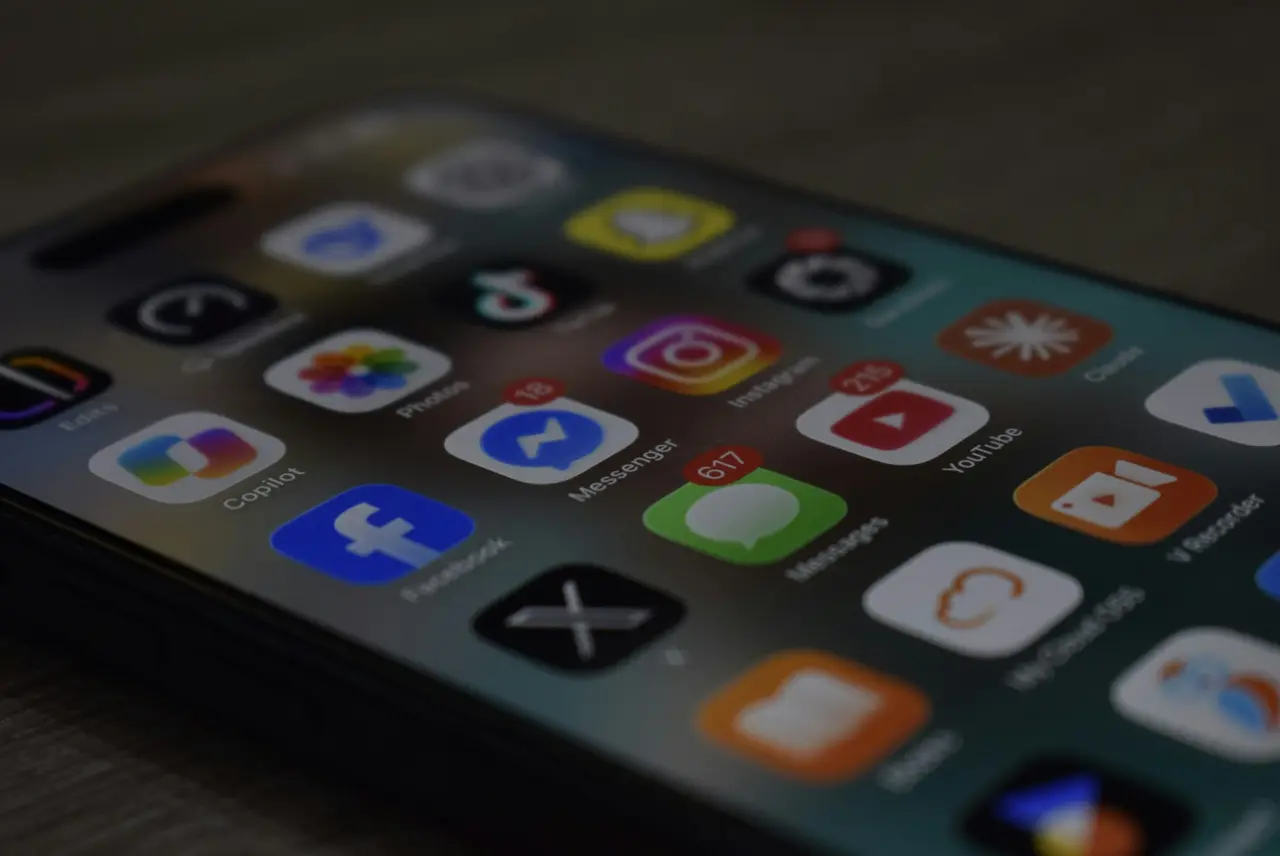
Barrot’s speech shows that we are in a different era. Elections are being fought more on social media. Platforms do more than host debate. They create debate, decide which voices reach people and which stories become popular. When a platform owner with around 240 million followers joins the national debate, it becomes hard to know where free speech ends and political power begins.
It is worth mentioning that Barrot used the word sovereignty when he talked about Musk, since the non‑intervention rule traditionally applies only to states. This shows how the international landscape is changing, opening the door to discussions about the significant role platform owners can play in geopolitics.
Addressing these concerns legally is still tricky. In 2025, the European Commission fined X €120 million under the Digital Services Act, while investigations into the platform’s algorithms were still ongoing. Meanwhile, a French criminal investigation into X had stalled after Musk ignored a summons and the US refused to cooperate. Now, France is six months away from its elections, and the question remains whether these “foreign interferences” will actually be capable of destabilising the French elections, or whether the Digital Services Act and French criminal law can act quickly enough to protect it.