

Reuters reported that new economic sanctions after some diplomatic clashes between France and Russia. “The European Union will approve more sanctions against Russia on Monday, France’s Minister for European Affairs Benjamin Haddad”, said Thursday this week. Haddad also condemned Russia’s decision on Wednesday to ban Le Monde newspaper reporter Ariane Chemin, freelance journalist and former Moscow correspondent Paul Gogo, as well as two French lawmakers, Sacha Houlie and Arthur Delaporte, from entering Russia.” Foreign Minister Jean-Noel Barrot said earlier on X that the fact the Kremlin was presenting the ban as a response to the expulsion from France in July of alleged Russian propagandist Xenia Fedorova “confirmed her ties to Russian authorities.”
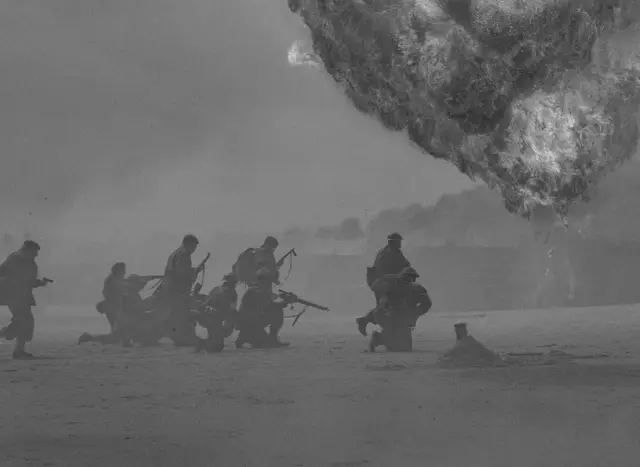
The scene above is typical emotional quarrels of a couple but in international politics. Both countries have sovereignties to expulse anyone, ideally according to domestic laws at least. More is the impact: economic sanctions. Really?
Russia is attacking Ukraine not EU. EU chooses to respond for Ukraine with economic sanction which is hardly considered as defence against Russia under international law i.e. not a declaration of war but a starving strategy from EU to deescalate aggressive behaviours. This seems legitimate and civilized. EU maintains a spirit of disapproval of Russia. However continuous aggressiveness of Russia, a further example from North Korea, effectiveness of the strategy is doubtful here especially due to fuel dependence on powerful Russia from Europe and even US. After a few years of the Russia-Ukraine war, the starving strategy is becoming the one to buy time until a better solution arrives. Shall we call this an emotional sanction?
International Law & Treaties13 November 20262 min read
More emotional sanctions on Russia by EU next week?
Doubtful sanctions

Key Insights
The scene above is typical emotional quarrels of a couple but in international politics.
Cite this brief
Wong, T. C. (2026). More emotional sanctions on Russia by EU next week?. EPIS Insight · International Law & Treaties.
EPIS PublicationsEvery Monday
New EPIS publications, in your inbox
One email a week with the new EPIS publications. You choose the topics on the next page.
FreeCancel at any timeYou confirm your address by email
Continue Reading
Insight
The Horn of Africa and Renewed Tensions Between Ethiopia and Eritrea: One Conflict Too Many?
Renewed tensions between Ethiopia and Eritrea threaten to open another front in a region already strained by conflict. This article explores how overlapping crises and strategic interests along the Red Sea could turn a bilateral confrontation into a wider regional conflict.

International Law and Treaties
Not Extended, Not Ended: Can the United States Reshape the USMCA Without Withdrawing?
The United States decided in July 2026 not to extend the USMCA, yet the agreement remains in force. This article asks how far Washington can reshape North American trade through the review process and bilateral deals without withdrawing. It finds that substantial change is possible, but only with…
Does the right to repatriation exist?
The Right of Repatriation and State Obligations in Europe
In brief, as both the written law and case-law suggest, there is no general duty of states to repatriate their nationals outside their borders and there is no general right of repatriation of the citizens. However, CoE Member states’ refusals to grant repatriation are subject to review by an inde…
Insight
Trump’s Tariff Policies and the Limits of WTO Enforcement
Across his two presidencies, Trump used tariffs to protect US industries, counter unfair trade practices and pursue national security goals. Drawing on powers delegated by Congress, he initially targeted specific industries and trading partners, while adopting a more generalised tariff strategy i…