
Security Policy & Defence25 November 20261 min read

Pistorius Pledges €34 Million to Build Ukrainian BABKA Drones in Germany

Wingcopter–TAF joint venture will build the drones for Kyiv first, then possibly for NATO forces

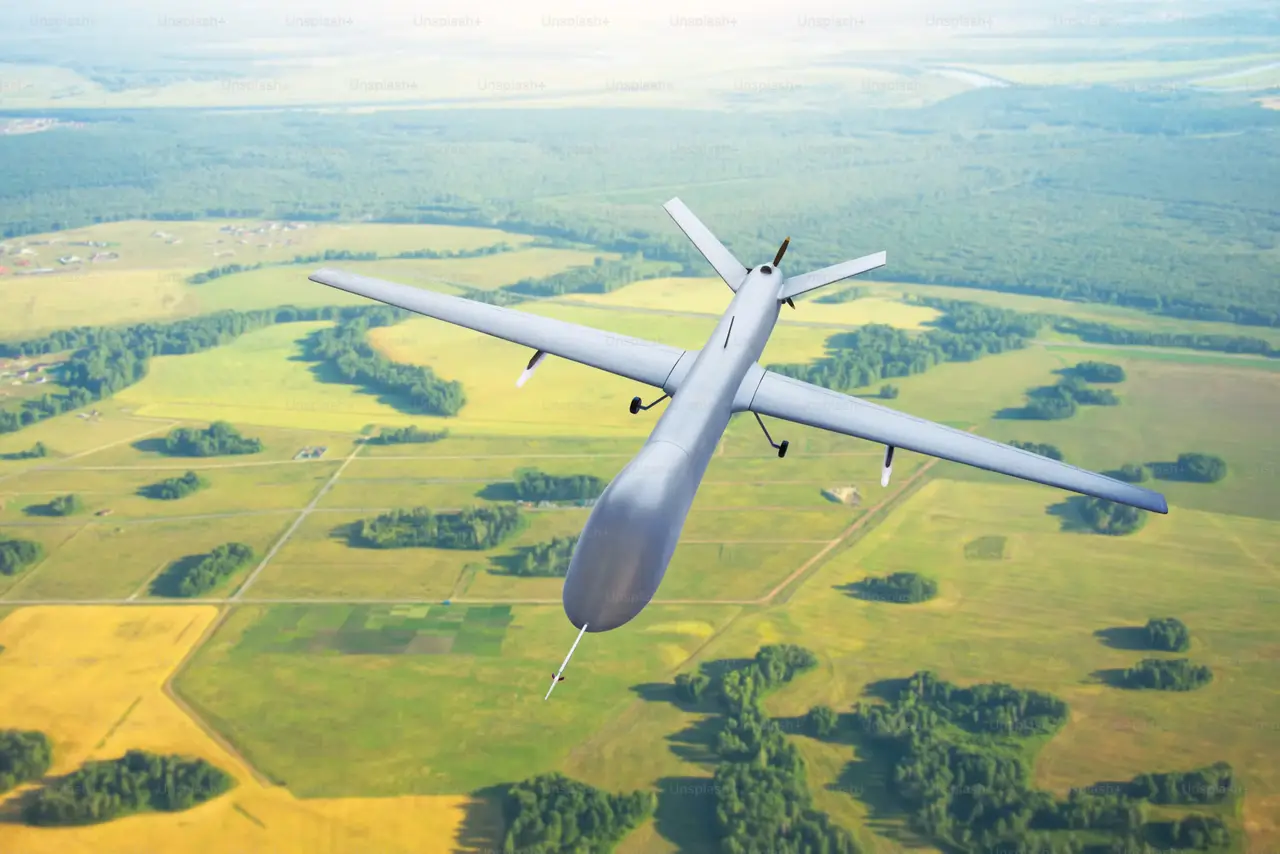
A white unmanned aerial vehicle (UAV) with long wings and a rear-mounted propeller flying over agricultural fields and woodland.
A white unmanned aerial vehicle (UAV) with long wings and a rear-mounted propeller flying over agricultural fields and woodland.A military-style unmanned aerial vehicle (UAV) flies over rural farmland, illustrating the use of drone technology for aerial surveillance and reconnaissance.
PDF in preparation
Follow EPIS on Google
Key Insights

It reverses the usual flow of military aid: instead of shipping Western systems east, Germany will build combat-tested Ukrainian designs at home.

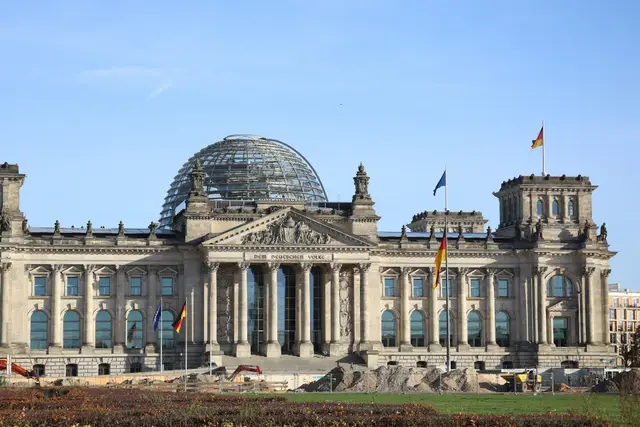
German Defence Minister Boris Pistorius announced in Berlin on 23 November that Germany will provide about €34 million to set up serial production of Ukraine’s BABKA reconnaissance drone in Germany. The work goes to a joint venture of Wingcopter Security & Defence and Ukraine’s TAF Industries, agreed in February at the Munich Security Conference. Pistorius and Ukrainian Defence Minister Yevhenii Khmara signed an implementation agreement; Kyiv expects several thousand drones in 2027. The fixed-wing BABKA weighs about 3 kg and has a 50 km range. The ministers also signed a letter of intent on Ukraine’s DELTA battle-management system and reached preliminary agreement on more interceptor missiles.

According to Kyiv’s defence ministry, the deal is Ukraine’s sixth joint production project with Germany. It reverses the usual flow of military aid: instead of shipping Western systems east, Germany will build combat-tested Ukrainian designs at home. Manufacturing in Germany keeps production lines beyond the reach of Russian missile strikes. It also gives the Bundeswehr a route to cheap, mass-producible reconnaissance drones, a category in which Ukraine has gained far more battlefield experience. The systems are later to be offered to German and other NATO forces. Factory sites, delivery dates and unit prices have not been disclosed.

Luke Brix Modey Luke is a Political Science and Human Geography student at Goethe University Frankfurt, focusing on international relations, European security, and defence policy. At EPIS, he works as a daily news correspondent covering Germany and as a research analyst contributing to a defence startup index. He also supports project management at BSH Frankfurt, the student network for security policy. Through Model United Nations conferences across Europe, including as head of delegation, he gained practical

Cite this brief
Modey, L. B. (2026). Pistorius Pledges €34 Million to Build Ukrainian BABKA Drones in Germany. EPIS Insight · Security Policy & Defence.
Drawing of a café terrace on a street in Cologne around 1900. A postman cycles past and papers fly from his bag, a waiter carries Kölsch glasses, and the cathedral's spires rise behind the houses.

EPIS PublicationsEvery Monday

New EPIS publications, in your inbox

One email a week with the new EPIS publications. You choose the topics on the next page.

FreeCancel at any timeYou confirm your address by email

© 2026 EPIS · Independent · Non-partisan · Funded by the EPIS FellowsLegal Notice · Privacy Policy · · Cancel contracts here · RSS

Privacy preference centre

When you visit a website, it may store or read information in your browser, mostly in the form of cookies. Choose below which categories we may use. Your choice is kept for 12 months, and you can change it here at any time. Privacy Policy

Manage consent preferences

Always active