
Berlin’s Hormuz pledge shrinks to standby as mines hit tankers
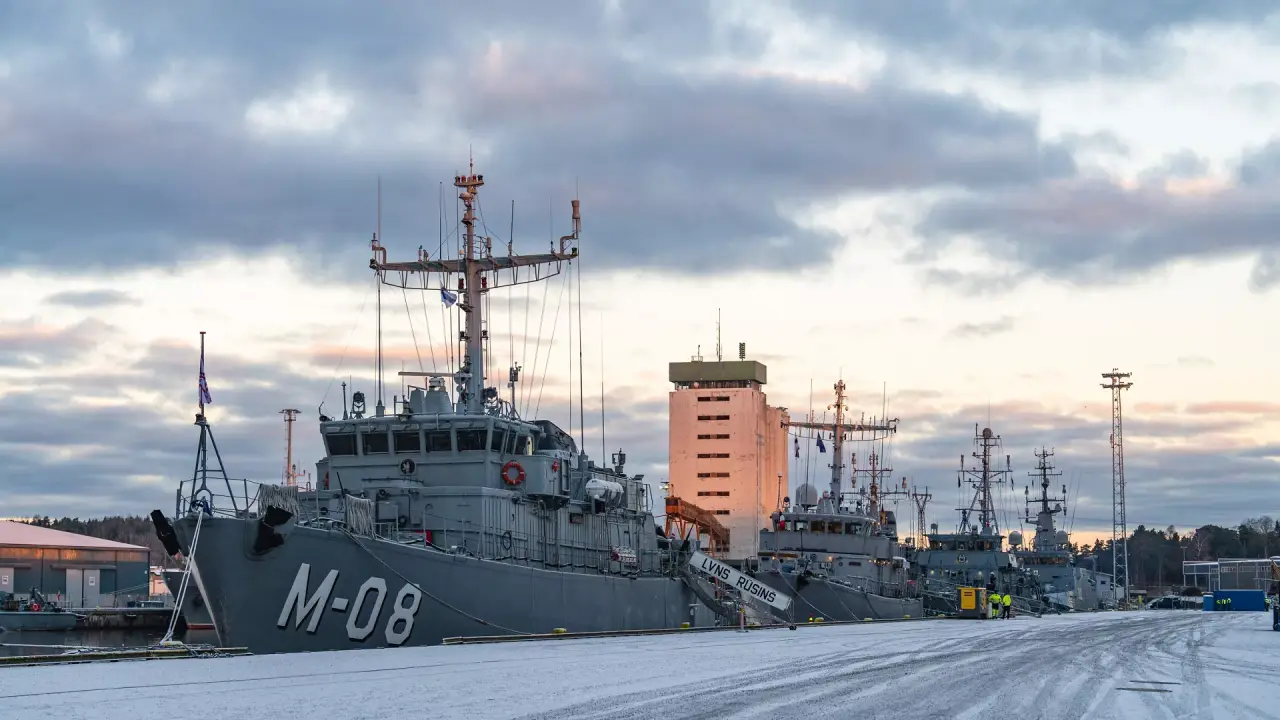
Defence Minister Boris Pistorius said a German mine-clearance mission in the Strait of Hormuz has become less likely. “A deployment would require a safe environment. We do not have that,” he said, adding that Houthi attacks in the Gulf and Red Sea raised the threat level. The Bundeswehr remains ready to help clear mines, but Pistorius will decide shortly whether minehunter Fulda and tender Rhein stay in the eastern Mediterranean, where they were stationed to be able to reach the strait quickly.
Pistorius’s remarks confirm what July’s withdrawal from the Red Sea to the eastern Mediterranean already signalled: Germany’s Hormuz commitment is now operating on standby. Berlin’s preconditions to full involvement were always demanding: a durable end to hostilities, an international legal framework, consent from Iran and Oman, and a Bundestag mandate. None have been fulfilled. If the IRGC is using mines to enforce its own “authorised” routes, Iranian consent for Western mine clearance looks less plausible.
Those conditions are a political choice. In 2024, Berlin joined the EU’s Aspides mission within weeks, sending a frigate into an active threat environment without Houthi consent. However, in the case of the Strait of Hormuz, German ships would only arrive after others have negotiated a settlement. That caution likely reflects Berlin’s reluctance to be drawn into a US-Iran war and to be seen as a co-belligerent.
Germany has few minehunters, and Fulda was pulled from NATO duties in northern Europe, where Baltic demands are rising. This will leave Berlin with a decision to make: Does its primary strategic priority lie in the eastern Mediterranean, protecting shipping from Iranian and Houthi attacks, or in the Baltic Sea, protecting NATO’s eastern flank from Russian threats?