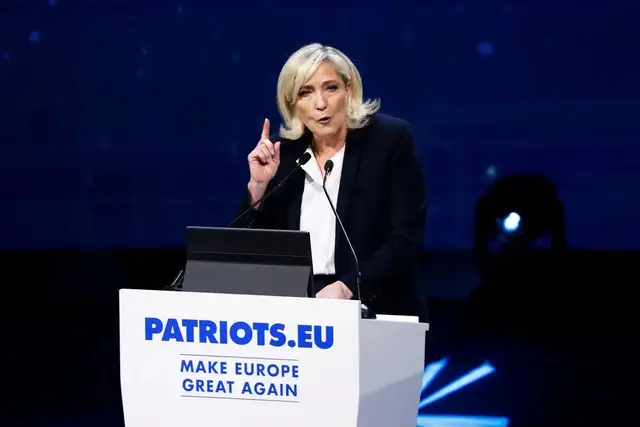

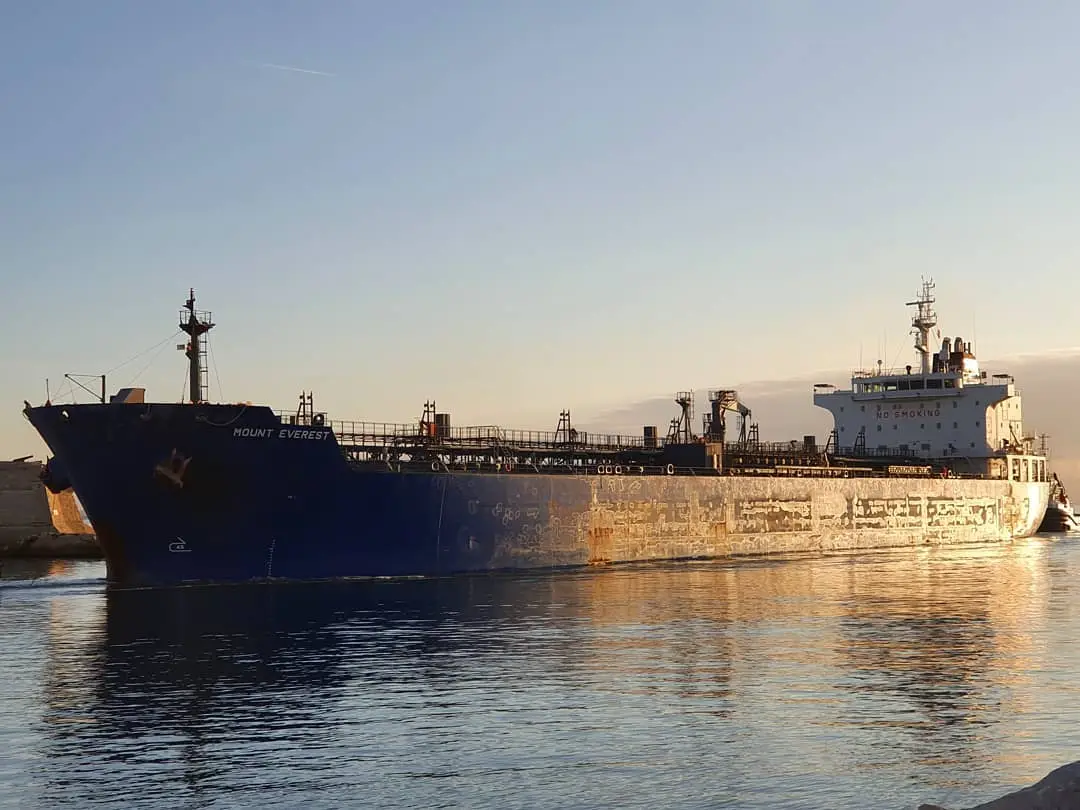
On 23 November, the European Commission presented its 22nd sanctions package against Russia. The proposed measures include adding more than 70 vessels from the so-called ‘shadow fleet’ to the list of sanctioned vessels and restricting oil tankers insured in Russia. It is worth noting that the proposal was presented ahead of the international conference on combating maritime sanctions evasion, organised by France and the United Kingdom and scheduled to take place in Paris on 4 December.
Yet France’s worries about European security are not limited to the sea; on 20 November, the French Ministry for Europe and Foreign Affairs condemned missiles and drones that violated Polish airspace, reiterating France’s commitment to NATO’s collective defence. In the wake of this incident, the Alliance announced it would deploy an early-warning aircraft to Poland.
In parallel, France raised the possibility of Ukraine’s accession to NATO, arguing that security guarantees comparable to those provided for under Article 5 of the North Atlantic Treaty would, in practice, amount to Ukraine’s accession to the Alliance.
What is happening reinforces the growing complexity of European security. While combating maritime sanctions evasion raises legal questions about freedom of navigation and flag State jurisdiction under the United Nations Convention on the Law of the Sea, incidents on Polish territory highlight the risk of the conflict spreading to neighbouring States.
France’s position is clearly another attempt to reconcile economic pressure, military deterrence, and long-term security guarantees. However, limiting Russia’s ability to sustain the war while strengthening European security without triggering a direct military confrontation between Russia and NATO will be difficult. In this context, to what extent will France be able to continue acting without compromising the prospects of a future diplomatic solution? At this point, does France have any other alternative?