

Europe
Triannual reports on EU foreign and security policy, enlargement dynamics, cohesion challenges, and intra-European political developments.
Latest Articles of This Group
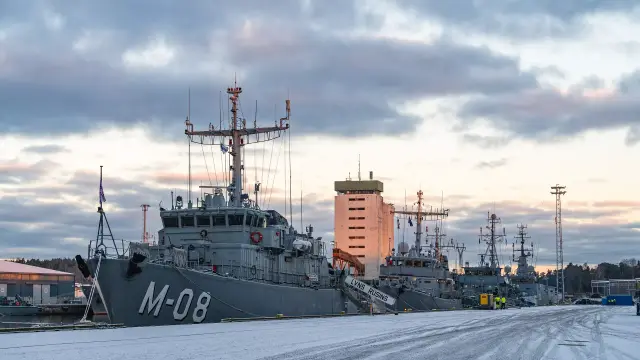
From Sanctions Evasion to Maritime Security: Russia’s Shadow Fleet
EU and NATO measures have raised the cost of shadow-fleet operations, but jurisdictional gaps, opaque ownership and Russian naval escorts continue to blunt enforcement effectiveness

How has ’Ndrangheta Expansion in Latin America Reshaped EU-Colombia Security Cooperation?
Analysis of the transformation of the ‘Ndrangheta from a local Italian mafia to a global cocaine-trafficking threat. Examination of Colombia’s role as a major production hub and its historical broker networks. Overview of joint security mechanisms, such as Operation I-CAN and Europol-coordinated …
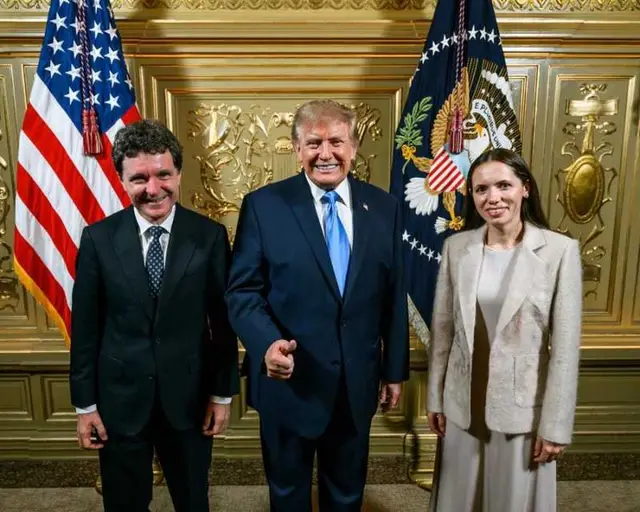
Transatlantic Tilt: Romania’s Foreign Policy Repositioning Between Washington and Brussels
Romania has tilted towards Washington under President Nicușor Dan, driven by threat perception and the shock of the annulled 2024 election. This article argues that the shift is costing Bucharest leverage in the EU, handing momentum to the far right and damaging its reputation in Brussels.
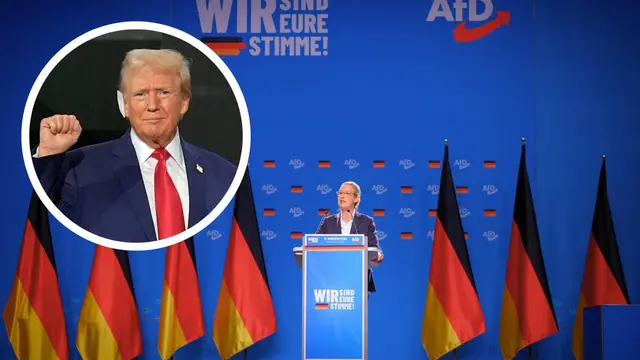
America First, AfD Disappointed? The Limits of AfD-US Solidarity
This article examines the changing relationship between Germany’s AfD and Donald Trump. While the AfD strongly supported Trump during the 2024 election, his second presidency has exposed tensions over trade tariffs, Ukraine, and military interventions. Through discourse analysis, the article expl…
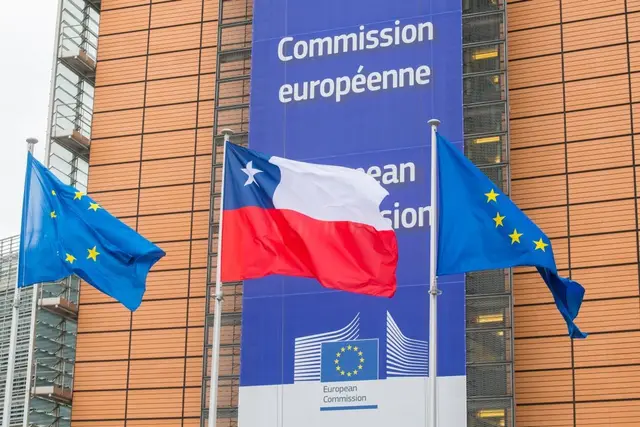
EU-Chile relations in the context of the green transition and economic security
Chile holds the world’s largest lithium reserves and strong green hydrogen potential. This article examines how the EU-Chile Interim Trade Agreement helps the EU diversify supply and advance its green transition.
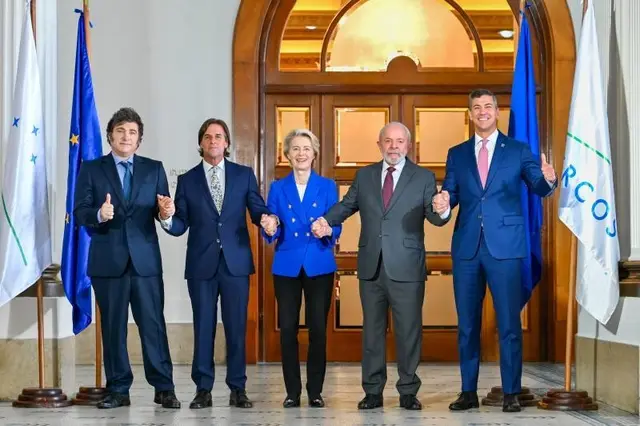
From Interregionalism to Geopolitics: The Recasting of the EU-Mercosur Project
This paper examines how the EU-Mercosur agreement evolved from a post-Cold War interregional integration project into a geopolitical instrument. It argues that while the agreement retained its original legal structure, its strategic purpose shifted in response to a changing global order.
EU-Chile Relations in the Context of the Green Transition and Economic Security
Chilean and European Union flags displayed next to the European Commission’s building in Luxembourg, reflecting EU-Chile cooperation.

Heritage Restitution and the Future of Ibero-American Relations
The cases of Portugal and Spain expose the ambivalence of ‘shared heritage’. Although cultural heritage can support cooperation and diplomatic rapprochement, this notion may obscure the unequal historical circumstances through which objects entered European collections. Restitution can therefore …

Beyond Borders, Beyond Treaties: The EU–Mexico Struggle Against Transnational Drug Trafficking
EU–Mexico cooperation has strengthened cross-border efforts against drug trafficking, but legal fragmentation, institutional differences, and human-rights concerns continue to limit its effectiveness.

To what extent is the transatlantic digital relationship becoming asymmetric in the age of AI?
For years, Europe’s technology sovereignty debate has wrongly focused only on where data lives. In the meanwhile, the rapid development of the digital economy has also generated new governance challenges, and traditional governance models can hardly adapt to them. As there is a growing recognitio…











Other Publications Regarding This Topic
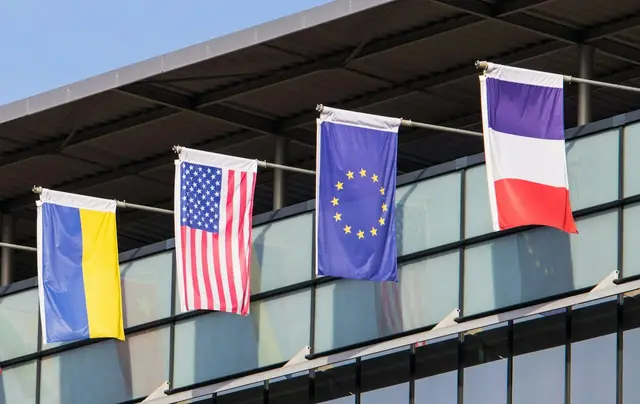
France Wants Europe at the Table. But Who Will Decide Europe’s Security?
European representatives joined consultations in Abu Dhabi but not the direct talks with Russia. Under VCLT Art. 34, a treaty cannot impose obligations on third states without their consent. Yet a Russia-Ukraine deal could still reshape European security, especially if Europe may have to guarante…
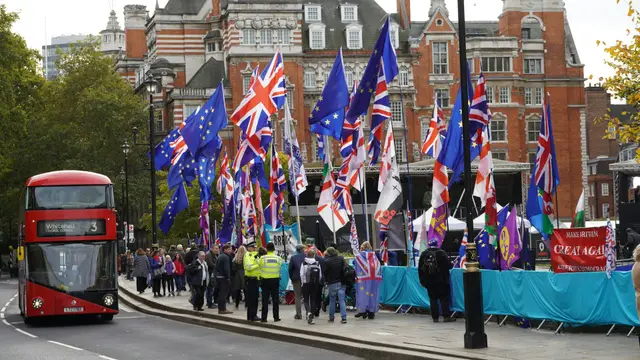
The New Deal Ahead but at what cost? The EU-UK Security and Energy alliance
1. Regarding the EU re-entering the electricity market with the crucial aim in stabilizing energy prices, the UK currently faces an obstacle in striking a deal due to the EU’s insistence in Britain’s participation in cohesion funds. 2. Progress in youth mobility scheme might be deferred due to in…

France Blames Iran for Cyber Sabotage. What Happens Next?
A cyberattack on supermarket fridges has become a diplomatic crisis. France says Iran is behind it, and Tehran says the claim is unfounded. But in international law, naming a culprit is only the first step, and the next ones are far less clear.
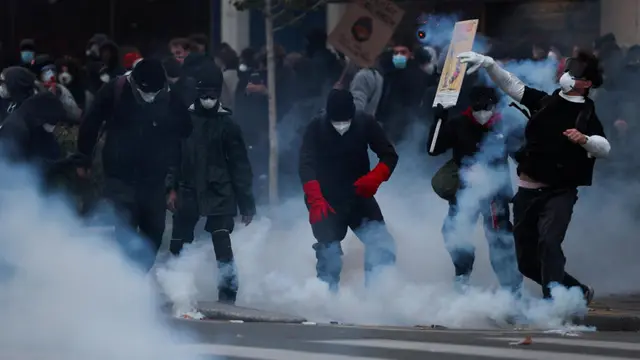
Russia preys on the unrest in France with speedy and spillover consequences
Through social media, Russia has influenced the population in France after the Russia- Ukraine war. The purpose of influence is to destabilize France as one of the main revivals of Russia in the war. This time the target of Russia is on the recent unrest of France. France need to learn form this …
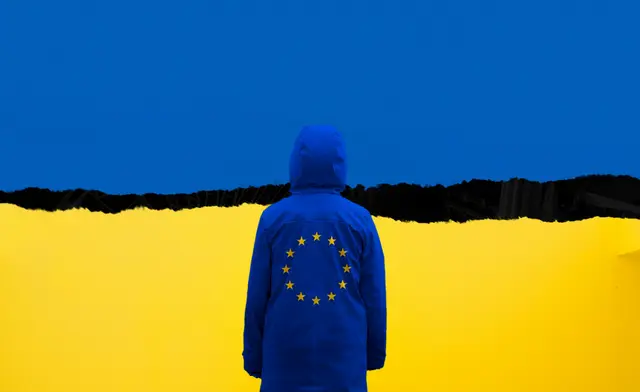
France Pushes for a European Voice in Ukraine Peace Talks
France’s diplomatic challenge is to turn European representation into influence over Ukraine’s future security.

Germany hosts negotiations to solve the drug price quarrel between Europe and USA
The representatives of the USA will meet their German colleagues in Berlin, discuss the drug tariffs and prices, a topic of widespread discussion across Europe
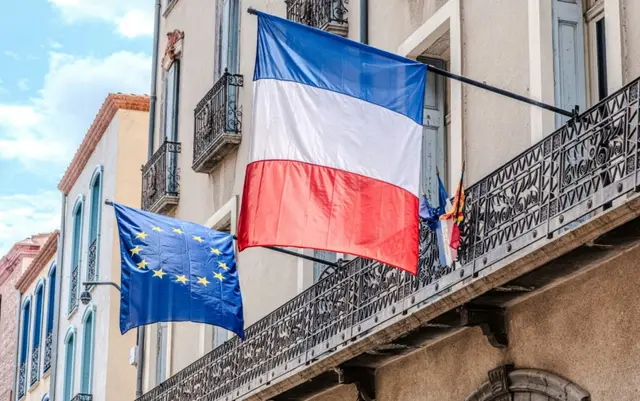
Mélenchon Unveils 2027 Programme, Renewing Call for France to Leave NATO
Mélenchon’s 2027 programme links economic reform with a push for greater French sovereignty, challenging both EU constraints and France’s role within NATO.
24 Hours: Can Europe Keep the Secrets It Now Collects?
The delegated act’s rule for a compromised platform tells us how Brussels would contain a leak, not how it would prevent one.