
Alperen Celik Bridging Diplomacy and Sustainability·Sustainability & Innovation ManagementNew
Sophia Nistor The Securitisation of Arctic Science·Security Policy & DefenceNew
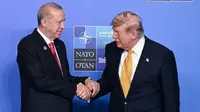
Andrii Haivaniuk NATO 3.0: Burden-Sharing or Strategic Retreat? ·North AmericaNew
Alperen Celik Human Rights & Aid in Post-Conflict MENA·Human Rights & Humanitarian AidNew
Sonja Gruenbauer It’s a (Wo)Men’s World·Human Rights & Humanitarian AidNew
Alexandra Savva India Between Two Tables·International Relations & DiplomacyNew
Age Steenbreker Recovery Under Fire·Security Policy & DefenceNew
Maria Cojocaru Sky is the Limit? FCAS Stress-Tests EU Defence·Security Policy & DefenceNew
Neele Seifert Trump, Xi and the Post-Unipolar World·Business EconomicsNew
Devin Nguyen The United States-Mexico-Canada Agreement (USMCA)·International Economic RelationsNew
Alperen Celik Bridging Diplomacy and Sustainability·Sustainability & Innovation ManagementNew
Sophia Nistor The Securitisation of Arctic Science·Security Policy & DefenceNew
Andrii Haivaniuk NATO 3.0: Burden-Sharing or Strategic Retreat? ·North AmericaNew
Alperen Celik Human Rights & Aid in Post-Conflict MENA·Human Rights & Humanitarian AidNew
Sonja Gruenbauer It’s a (Wo)Men’s World·Human Rights & Humanitarian AidNew
Alexandra Savva India Between Two Tables·International Relations & DiplomacyNew
Age Steenbreker Recovery Under Fire·Security Policy & DefenceNew
Maria Cojocaru Sky is the Limit? FCAS Stress-Tests EU Defence·Security Policy & DefenceNew
Neele Seifert Trump, Xi and the Post-Unipolar World·Business EconomicsNew
Devin Nguyen The United States-Mexico-Canada Agreement (USMCA)·International Economic Relations
Bridging Diplomacy and Sustainability
The Securitisation of Arctic Science
NATO 3.0: Burden-Sharing or Strategic Retreat? 18 JulEurope, Migration, Refugees (FUBiS Term III subject course)
Human Rights & Aid in Post-Conflict MENATue 04 Aug 2026
It’s a (Wo)Men’s World
India Between Two Tables20 JulEuropean Studies Intensive: Vienna–Prague–Munich
Recovery Under Fire
Sky is the Limit? FCAS Stress-Tests EU DefenceTue 04 Aug 2026
Trump, Xi and the Post-Unipolar World27 JulUniversity of Tartu Summer School
The United States-Mexico-Canada Agreement (USMCA)
Bridging Diplomacy and Sustainability
The Securitisation of Arctic Science
NATO 3.0: Burden-Sharing or Strategic Retreat? 18 JulEurope, Migration, Refugees (FUBiS Term III subject course)
Human Rights & Aid in Post-Conflict MENATue 04 Aug 2026
It’s a (Wo)Men’s World
India Between Two Tables20 JulEuropean Studies Intensive: Vienna–Prague–Munich
Recovery Under Fire
Sky is the Limit? FCAS Stress-Tests EU DefenceTue 04 Aug 2026
Trump, Xi and the Post-Unipolar World27 JulUniversity of Tartu Summer School
The United States-Mexico-Canada Agreement (USMCA)
No degree yet · Ankara Hasan Ali Yücel Sosyal Bilimler Lisesi
Alperen Çelik is an 12th-grade high school student with a strong academic and extracurricular focus on Turkish foreign policy, international security, and the Turkic World, particularly the Organization of Turkic States (OTS). He is the founder of the Simulation of the Assembly of Turkic States (TÜRKAS), Türkiye's first high school simulation dedicated to the Organization of Turkic States. Under his leadership, TÜRKAS has brought together more than 1,300 high school students from across Türkiye, creating a platform for young people to engage in diplomacy, policymaking, and regional cooperation through realistic parliamentary simulations. Alongside organizing large-scale educational initiatives, he actively researches issues related to Turkish diplomacy, Eurasian geopolitics, and international relations, with a particular interest in strengthening cooperation among Turkic states and fostering youth participation in foreign policy discussions.
In an interview with EPIS, Halima Rahmatova talks about her journey from self-directed student in Uzbekistan to a sustainability specialist in Geneva. She discusses Central Asia’s water crises through unified policy, and why the next generation must bring bold audacity to global policymaking.

In an interview with EPIS, Dr. Moosa Elayah examines why stopping a war isn’t the same as achieving peace.