



A conversation with Proffesor Alex De Waal, the Executive Director of the World Peace Foundation. Considered one of the foremost experts on Sudan and the Horn of Africa
In this live interview, Professor Alex de Waal offered comprehensive insights into his lifelong academic focus on refugee crises, the mechanics of starvation warfare, and the systemic legal obstacles hindering international accountability for war crimes.
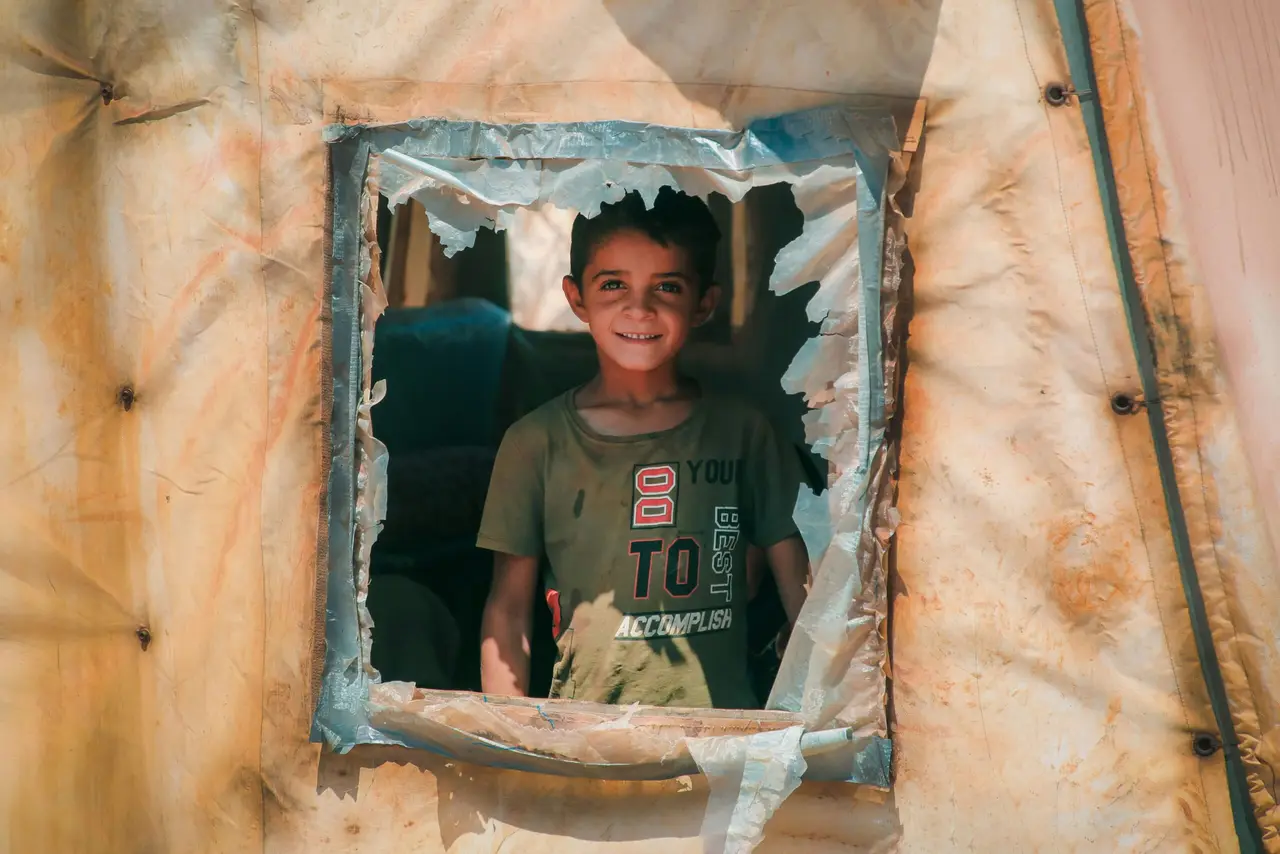
Tracing his academic trajectory back to his undergraduate studies at the University of Oxford in the early 1980s, Professor de Waal explained that his interest in displaced populations was rooted in family history, as his father’s family had fled Nazi Germany as refugees. Recognizing the University of Khartoum as the premier global center for refugee research at the time, he relocated to Sudan in 1984 to conduct doctoral research under Sudanese academics. While his work initially examined the intersection of refugees and famine, the escalation of the Sudanese civil war shifted his core focus toward analyzing how armed conflict, starvation tactics, and mass famine converge. Addressing the contemporary state of Sudan, he highlighted the total devastation of Khartoum after nearly three and a half years of continuous warfare, noting that despite the expulsion of the Rapid Support Forces (RSF) from central areas by the Sudanese Armed Forces, basic services remain unrestored, the majority of civilians remain displaced, and regular drone strikes continue to target critical civilian infrastructure.
Distinguishing general war-induced hunger from deliberate starvation, Professor de Waal clarified that while historical conflict often caused accidental starvation through economic collapse and pillaging, military forces frequently weaponize hunger intentionally through sieges and resource blockades to force civilian submission. Under international criminal law, the crime of starvation extends beyond food to include the intentional deprivation of any objects indispensable to survival, including clean water, shelter, fuel, and vital medicines. Armed actors and warlords favor starvation warfare primarily because it represents an extraordinarily cheap military strategy compared to acquiring high-technology armaments. Furthermore, humanitarian organizations often feel compelled to remain silent about government abuses to maintain access, while perpetrators historically operate under the assumption that starving populations carries legal impunity compared to direct massacres.
Evaluating the concept of “white-collar atrocities,” Professor de Waal detailed how remote political authorities, treasury bureaucrats, and military strategists orchestrate blockades, economic sanctions, and bureaucratic aid delays that cause mass hunger without ever entering the conflict zone. Because individual bureaucratic decisions can be framed as administrative policies, international tribunals have historically struggled to prosecute these long-term policy conspiracies, making the International Criminal Court prosecutor’s recent request for arrest warrants regarding starvation crimes in Gaza a landmark moment in international law. However, key structural obstacles persist, notably the refusal of major global powers like the United States, Russia, China, and Israel to ratify or respect the Rome Statute. While the International Court of Justice allows states to hold other nations accountable under treaties like the Genocide Convention, these legal proceedings take years to resolve.
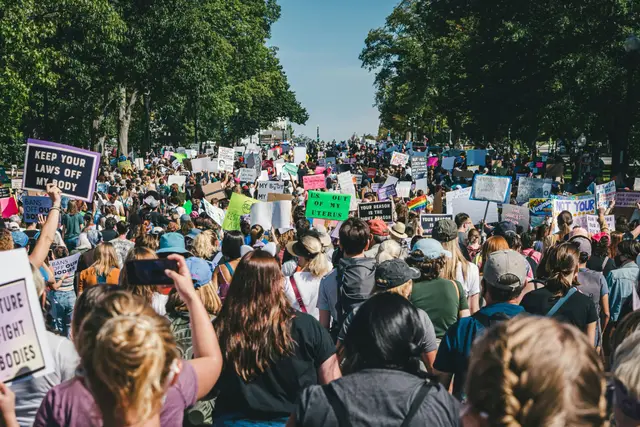
Concluding his analysis, Professor de Waal emphasized that the legal frameworks, early warning systems, and Security Council resolutions needed to combat starvation warfare—such as UN Resolution 2417—are already fully established, but suffer from a lack of political enforcement. The primary force capable of driving implementation is sustained public outcry and youth activism, which has repeatedly proven effective in exposing humanitarian atrocities and forcing political leaders to enforce existing international criminal law.
About the Interviewed: Professor Alex de Waal is the Executive Director of the World Peace Foundation and a Research Professor at the Fletcher School of Law and Diplomacy at Tufts University. Recognized as one of the world’s foremost scholars on humanitarian crises, his extensive research focuses on the intersection of armed conflict, political violence, famine, and international criminal law. He pioneered the conceptualization of “mass starvation” as an intentional war crime and has authored numerous authoritative works on African geopolitical dynamics, governance, and human rights accountability.