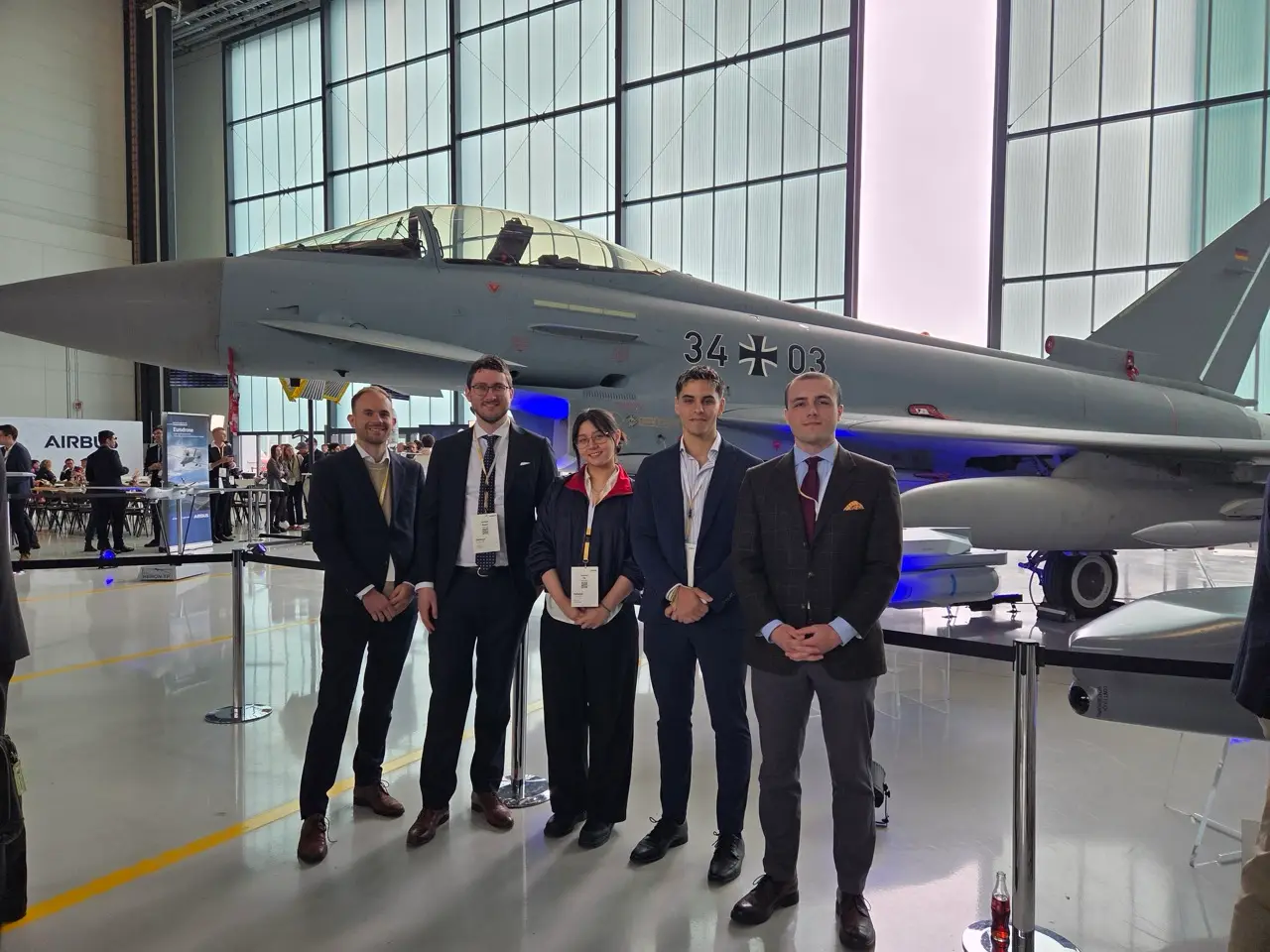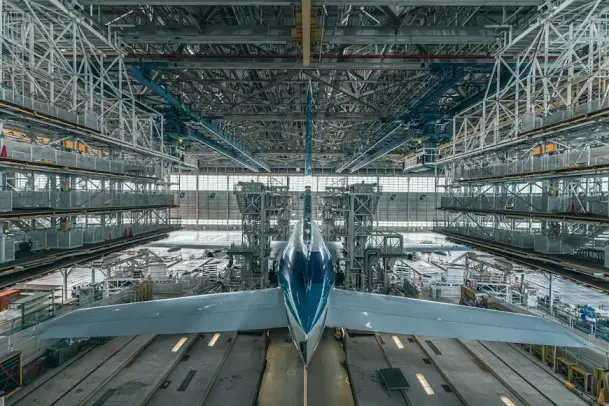



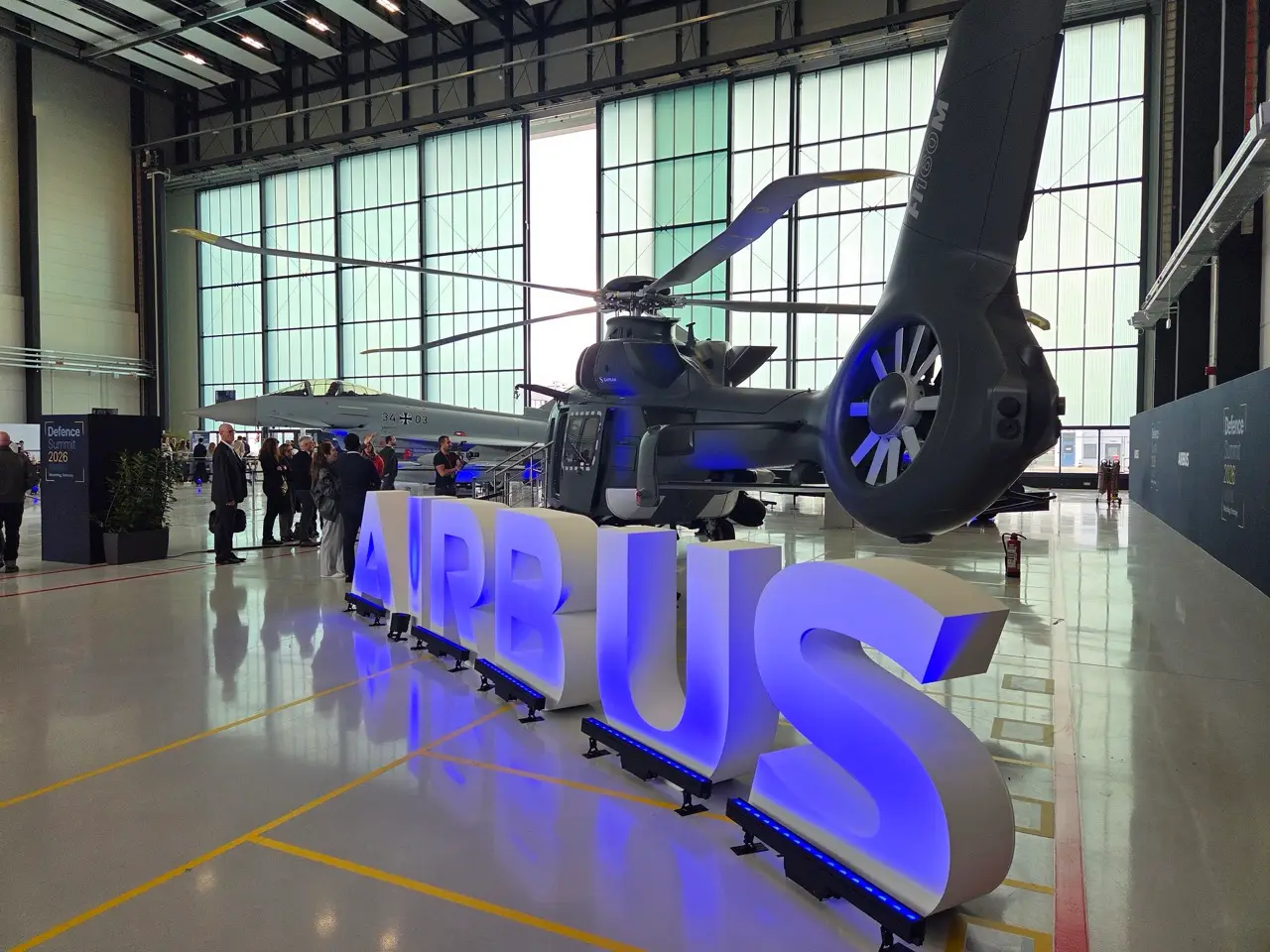
The very first Airbus Defence Summit took place on 20 May 2026, in Manching, Germany. The event brought together senior leaders, policymakers, suppliers, journalists, and content creators to explore how the defence industry is evolving and how it will shape the future of European security. Special attention was given to Gen Z in order to engage the younger generation more effectively on current security challenges. Discussions centred on European security and resilience, accompanied by impressive live demonstrations of air power, which included drones, Eurofighters, and military helicopter capabilities. The participation and interventions of Guillaume Faury, CEO of Airbus, Matthieu Louvot, CEO of Airbus Helicopters, and Michael Schoellhorn, CEO of Airbus Defence and Space, underscored the high-level character of the Summit.
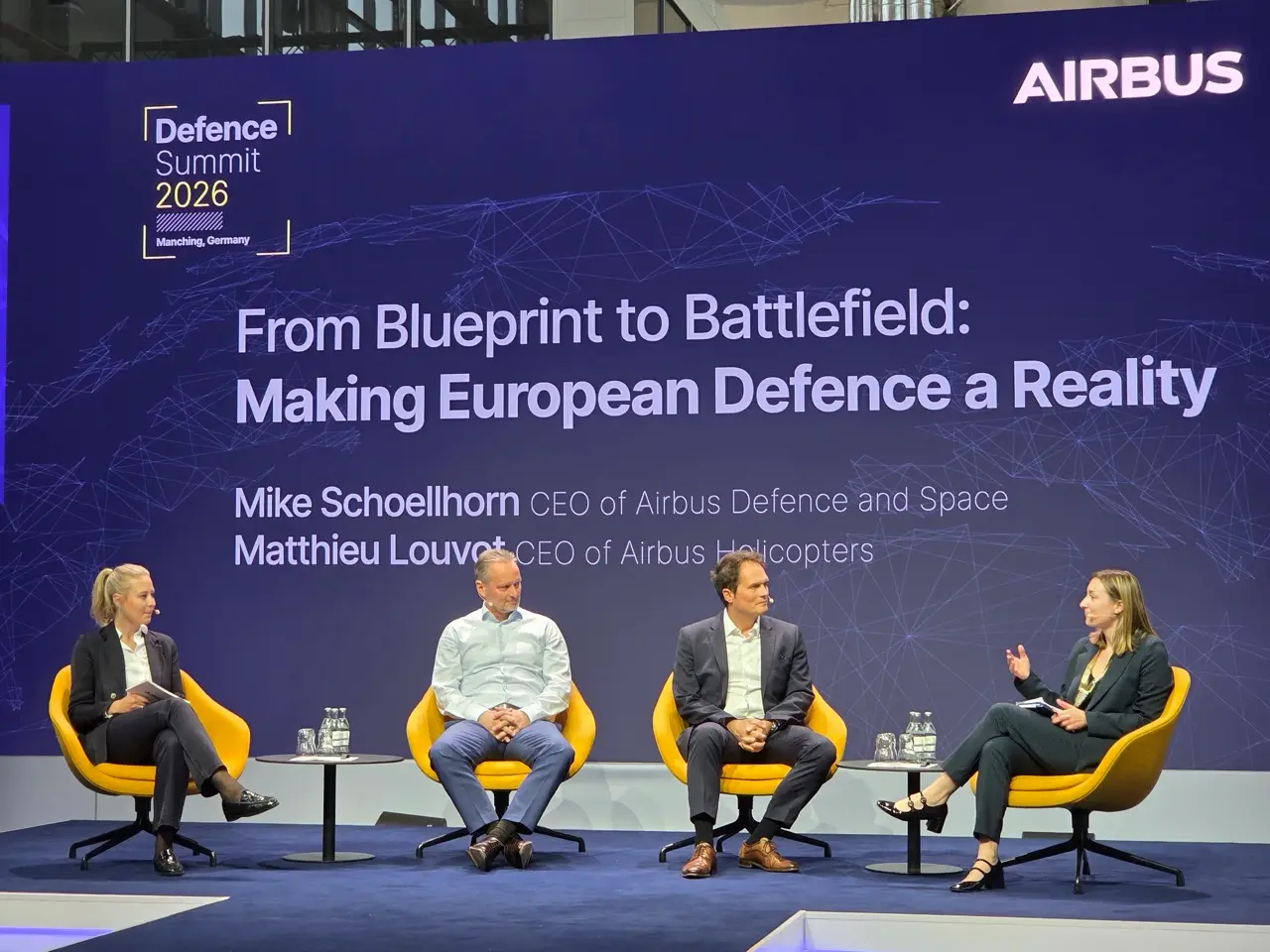
The central theme of the event was Airbus’s European dimension and its contribution to consolidating the continent’s strategic autonomy. Currently, Airbus is one of the largest defence companies in the EU. Amid a rapidly changing and unpredictable global landscape, company officials stressed the need for Europe to maintain the full spectrum of its air-defence capabilities — from fighter jets to uncrewed aerial systems including helicopters and satellites. Today’s defence, they argued, depends on developing breakthrough technologies, achieving production scale, and deepening cooperation. This continental perspective, combined with the company’s innovative approach, represented the event’s guiding principle.
In that regard, speakers repeatedly highlighted the importance of smarter and more integrated industrial cooperation in order to avoid fragmentation and foster innovation. While Airbus’s ecosystem spans multiple countries, numerous units, and a broad supplier base, differing business cultures, governance styles, and sometimes divergent requirements make collaboration even more challenging. Yet this complex ecosystem continues to perform effectively amid current turbulences. One of the reasons is that Airbus promotes dual-use products and aligns stakeholders’ interests to achieve scale. This approach is expected to generate efficiencies, support a more stable economic framework, and reduce reliance on external suppliers. The goal is to ultimately strengthen European autonomy through its defence industry.
Airbus also used the Summit to engage with younger voices. A dedicated exchange between Gen Z participants and senior stakeholders took place within the European Defence Dialogue (ED2). European deterrence was presented as an intergenerational responsibility and was, therefore, a key part of the discussion. Vital European interests were defined as the viability of our political systems, hard security alongside social and economic security, and autonomy. In other words, speakers emphasised that what connects successive generations, in terms of shared deterrence capabilities, depends on the success of companies — such as Airbus — and on their ability to respond to the aspirations of those yet to come. In this spirit, the company invited young professionals from diverse backgrounds to experience its agile and small-team working culture.
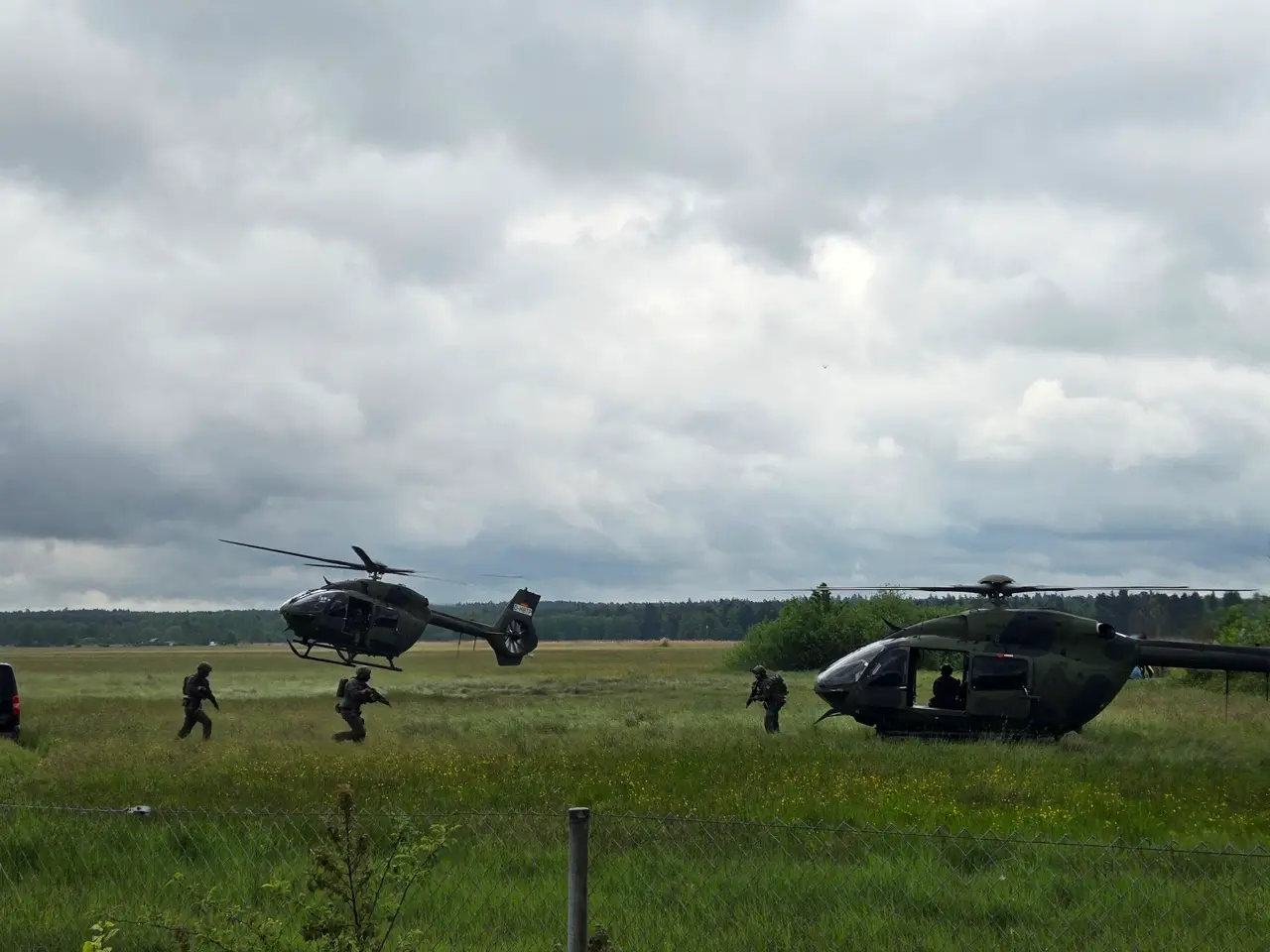
Overall, the Airbus Defence Summit 2026 provided a platform for the company to present its strategy for regional, cross-border cooperation in pursuit of Europe’s strategic autonomy. The innovation aspect, at the heart of Airbus’s roadmap, offered participants a first-hand view of multi-domain capabilities and uncrewed collaborative combat aircraft operating within a single ecosystem. Finally, Airbus’s outreach to junior professionals emphasised the importance of enabling younger generations to find meaningful and purpose-driven work.