

EPIS Blog
A weekly series of opinionated briefs (500–1000 words) discussing current issues in foreign affairs and security policy.
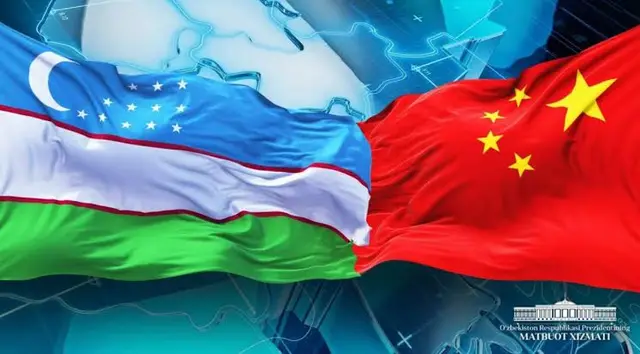
Uzbekistan’s Purchase of Chinese J-10CE Jets and its Compatibility with Foreign Policy Ambitions
Uzbekistan’s purchase of Chinese fighter jets indicates diversification from historical military reliance on Russia and aligns with a regional push for new security guarantees and partnerships.

Sanctioning International Justice: The ICC and the Limits of State Power
The United States imposed a new round of sanctions on the ICC, more specifically on President Tomoko Akane and Senior Lawyer Abdoulaye Seye. This article explores the legal basis of those sanctions, while posing important questions about its long-term effects on international law.
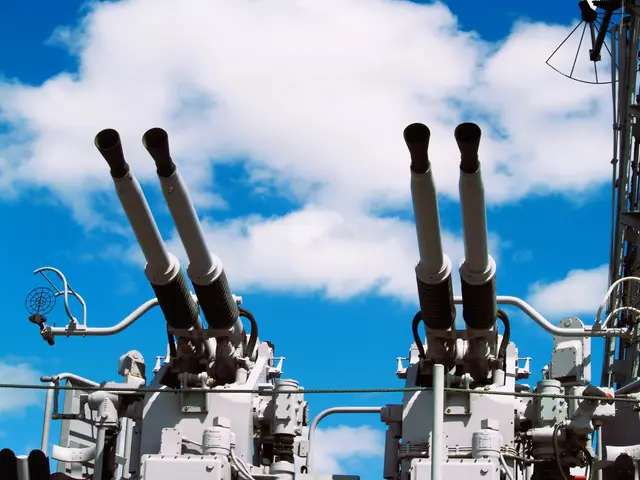
The Eastern Air Defence Corridor for a Safer Europe
Europe’s fragmented air defence arrangements leave its eastern flank vulnerable to Russian and Iranian aerial attacks. The Eastern Air Defence Corridor proposes integrating the air defence capabilities of six eastern and southeastern European states into a single regional architecture.

NATO Summit in Ankara
The 2026 NATO Summit in Ankara marked a shift toward “NATO 3.0,” focusing on increased defence spending and burden-sharing. Key outcomes included U.S. plans to lift sanctions on Türkiye, 70 billion dollars in aid for Ukraine, new multinational defence deals, and heightened tensions over Greenland.
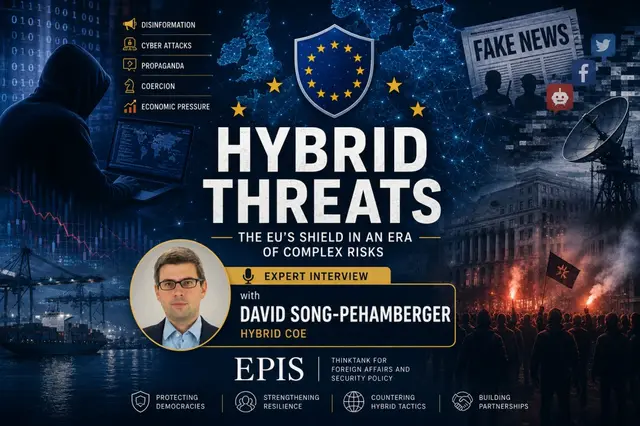
Countering Hybrid Threats in the Grey Zone
As hybrid threats increasingly challenge Europe’s security and democratic resilience, David Song-Pehamberger of Hybrid CoE explores the evolving threat landscape, the EU’s response, and how Europe can strengthen its resilience in an era of complex risks.

Beyond Compliance: Building 360-Degree Cyber Resilience for Society
Cyber threats are evolving and making resilience more important than ever. This article explores how EU regulations and directives strengthen preparedness, response and accountability through a 360-degree approach to cyber resilience.
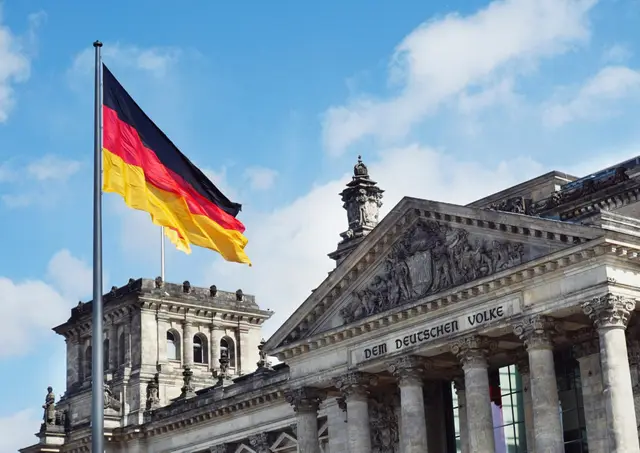
Musk, Trump, and Weidel: How US Influence Is Reshaping Germany’s Far Right
The alliance of Musk, Trump, and the AfD shifts foreign influence from covert tactics to open platform amplification. This public model uses algorithmic promotion to bypass old regulations, creating a new framework for leveraging foreign influence in upcoming European elections.
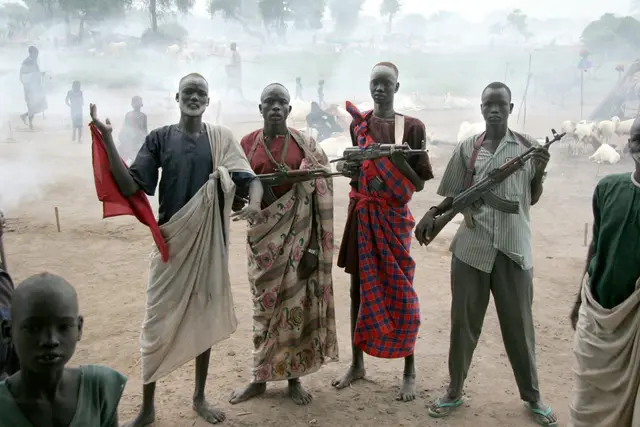
‘Forced Fighters’: Russia’s Deceptive Recruitment Operations in Africa
Since launching a devastating war in Ukraine, Russia has suffered significant casualties, leading to the exploitative and inhumane policy of deceitfully recruiting African citizens into the Russian army. Stopping this exploitation, however, will require more than just condemning the Kremlin.

When Hospitals Become Frontlines: The Collapse of Healthcare in Sudan
Sudan’s collapsing health infrastructure is more than a humanitarian tragedy: it is a growing security risk. As hospitals, laboratories and supply chains are destroyed or seized, the country is losing the capacity to detect disease, protect civilians and contain crises before they cross borders.

One Crisis, Two Europes: Ceuta and the Politics of Solidarity
Ceuta exposes a tension at the heart of EU migration governance. The EU can formalise responsability-sharing, but its political meaning remains contested among Member States.
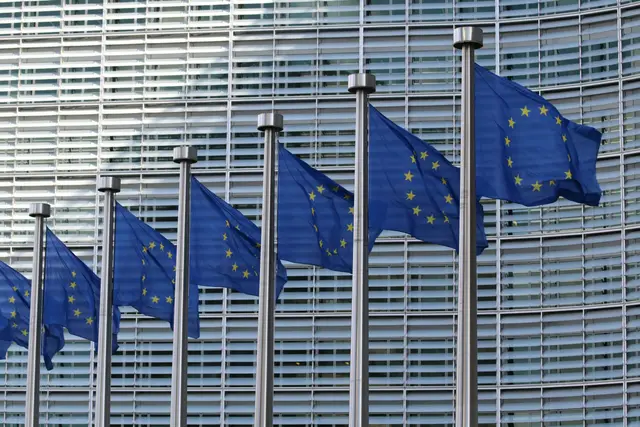
Europe’s Skynet: Inside the EU Parliament’s Divisive Chat Control Vote
The European Union is struggling to answer one of the information-era dilemmas: for the sake of security, what’s the line of negotiation for privacy exceptionality? The “Chat Control” package may set a precedent in blurring the line of EU citizens’ right of private communications.

The Faye-Sonko Split: Senegal’s Vulnerability to Jihadist Spillover
After PASTEF won Senegal’s 2024 elections, the party has been in deep crisis. A political stalemate between President Faye and former PM Sonko risks diverting attention from the threat of terrorist spillover from Mali, which jihadist groups could exploit to expand into Senegal.
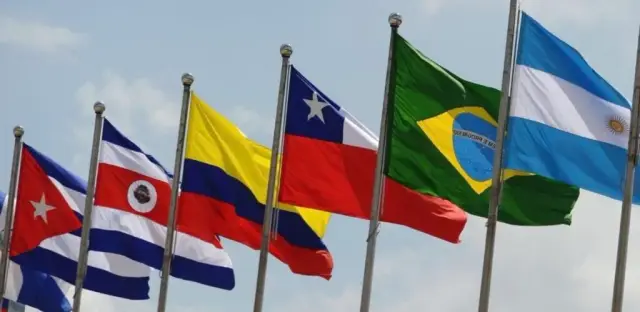
Electoral Year and Political Risk Perception in Latin America
The 2026 electoral cycle in Latin America occurs in an increasingly unstable geopolitical scenario, and will likely have longstanding political and economic effects in the region.

Safer Schools
While school shootings remain a significant concern for schools and policymakers, the increasing number of incidents highlights the need for effective prevention and mitigation measures. This article explores these mitigation measures from early detection to preparedness and emergency response.
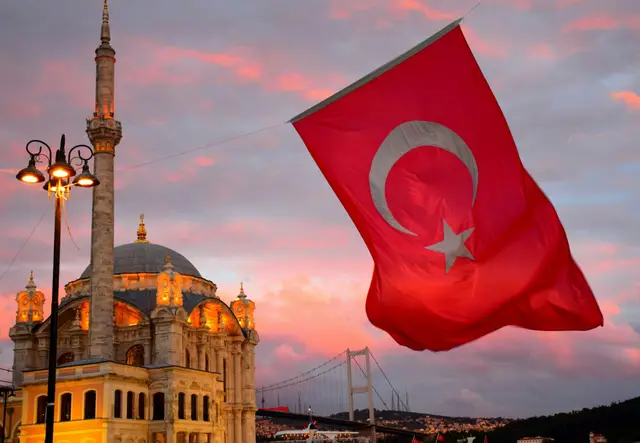
Why Türkiye Should Join the ICC: The Case for Accountability
Türkiye demands international criminal accountability abroad while remaining outside the ICC itself. As pressure on the Court grows, Ankara should reconsider whether staying out still serves its interests.
Turning EU Priorities Into Regional Action
The 2026 Macro-regional and Sea Basin Strategies Days highlighted how EU cooperation frameworks can strengthen territorial collaboration, resilience, and the implementation of shared EU priorities across regions.

The Berlin Pride Attack and the Migration Myth
The Berlin Pride attacker was German-born, yet right-wing populists blamed migration. Drawing on research into migration and terrorism, this article shows why the attack points to domestic radicalisation, not a “Trojan horse”, and why integration remains part of effective security policy.

Fed, Not Informed
Algorithms feed us more news every day, but less explanation. Here’s how that’s reshaping political belief – one trend at a time.

Airbus Defence Summit 2026 Event Report
The first Airbus Defence Summit took place on 20 May 2026 in Manching, Germany. Discussions focused on European security and strategic autonomy, with speakers stressing industrial cooperation and dual-use technologies. A dedicated ED2 dialogue engaged Gen Z on deterrence as a shared responsibility.

How effective have the EU’s Sanctions against Russia really been
Since 2022, the European Union has imposed twenty packages of sanctions against Russia, which depicts the largest number of restrictive measures in EU history that have ever been made. More than 2,700 individuals and entities have been listed, and over €28 billion in private assets have been froz…