Negotiations Remain Unfinished
On the sidelines of the 2026 ASEAN Summit in Manila, Philippine Foreign Minister Ma. Theresa Lazaro announced that no agreement would be reached with China on a code of conduct for the South China Sea. Initiatives to establish a legal framework for the South China Sea between the ASEAN member states and China date back to 2002. Lazaro had previously stated that provisional agreement had been reached on 80 per cent of the text of a draft code of conduct, but that several key issues remained unresolved and would require far-reaching concessions from both sides. These include the geographical scope, the definition of key terms and its legal status, particularly whether it should be legally binding. Negotiations are set to continue next year under Singapore’s chairmanship.
China’s Relationship with International Law
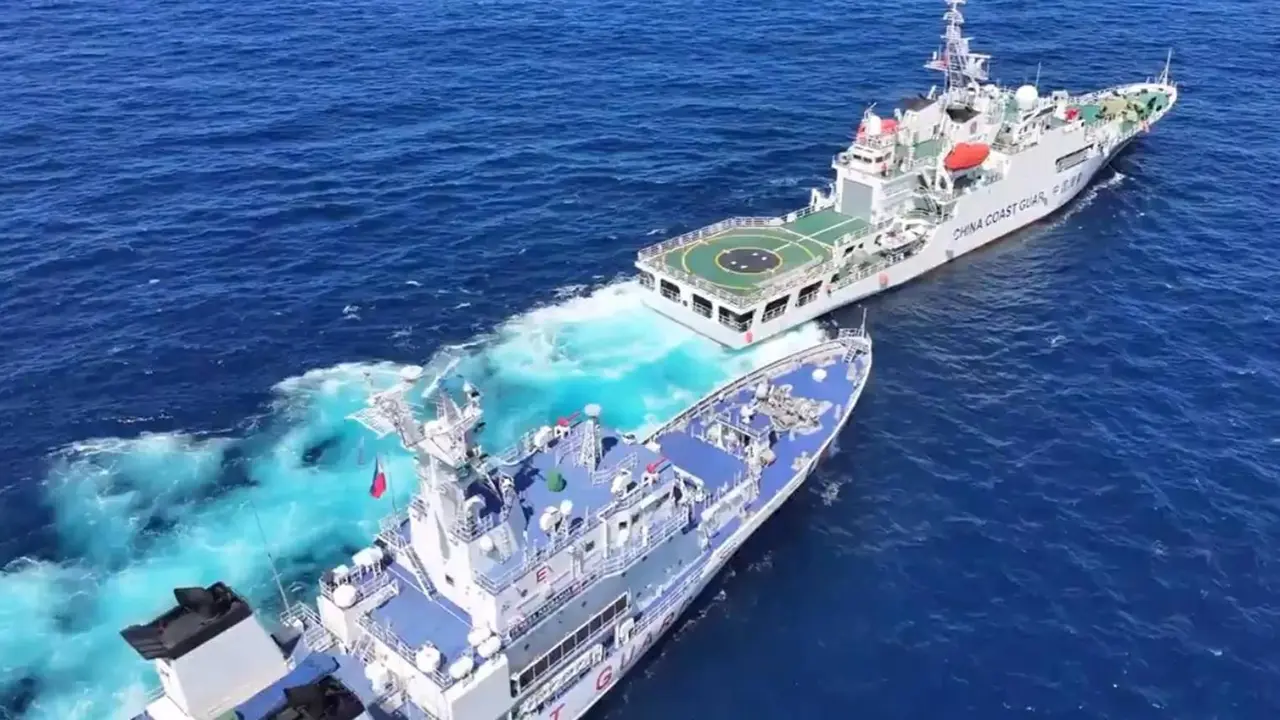
The South China Sea is a key geopolitical flashpoint where China’s maritime claims overlap with the exclusive economic zones of Brunei, Indonesia, Malaysia, the Philippines and Vietnam. Although an arbitral tribunal constituted under the Permanent Court of Arbitration ruled in 2016 that China’s claims to historic rights within the nine-dash line had no legal basis under UNCLOS, Beijing rejected the ruling. Disagreement over central points of such an agreement raises the question of how successful multilateralism can be in such a geopolitically charged arena. Furthermore, this failure provides an insight into Beijing’s relationship with international law. While Beijing publicly emphasises its commitment to international law, disagreements over the legal status and interpretation of the proposed code leave room for strategic ambiguity.