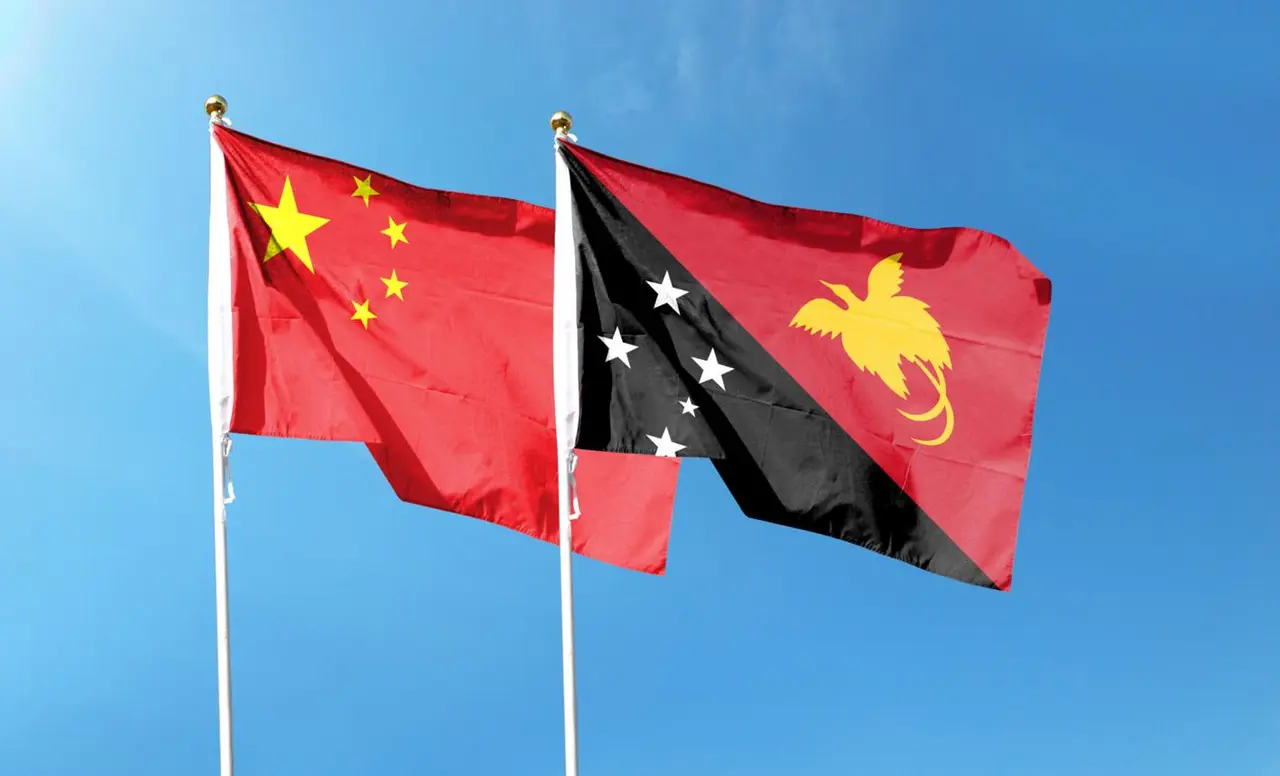

Papua New Guinea Moves to Close Taiwan’s Representative Office
The Taiwanese government has announced that it will comply with Papua New Guinea’s demands and close its representative office in Port Moresby. The PNG government had already communicated the decision to close the office in July. On 6 November, Papua New Guinea’s Foreign Minister once again called on two Taiwanese diplomats to leave the country within seven days. In response, Taiwan has announced that it will suspend all aid and cooperation programmes with Papua New Guinea, as well as LNG purchases from the country. The Taiwanese Ministry of Foreign Affairs accuses China of having used political pressure and economic leverage to influence the decision, while US representatives have also expressed concern. In July, the Chinese Ministry of Foreign Affairs had welcomed the decision.
China’s Growing Influence in the South Pacific
The closure of the Taiwanese representative office marks another diplomatic success for China’s One China policy. While Taiwan’s countermeasures demonstrate that it retains economic and diplomatic instruments to respond to such developments, China’s economic strength and political influence provide it with considerable opportunities to advance its interests. Furthermore, the South Pacific holds significant strategic importance due to its maritime location, natural resources and security implications, leading to geopolitical competition involving not only China and Taiwan but also the United States and Australia. This raises the question of to what extent the smaller Pacific Island states can maintain a sovereign and autonomous foreign policy.