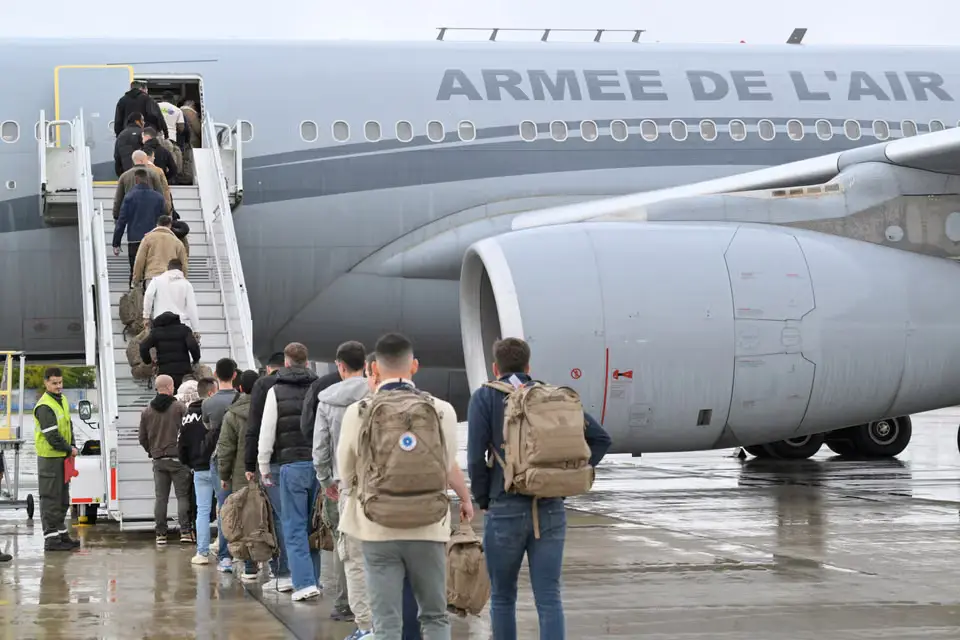
On 16 November 2026, an investigation by Radio France Internationale (RFI) revealed that French military personnel have been operating inside Ukraine since at least the summer under a secret mission called “Volia”. Coordinated from a French unit in Poland, small teams have rotated into the country to train Ukrainian forces and repair French-supplied equipment. While officials stress that these soldiers are not involved in combat, the news that lawmakers were never informed has sparked a debate over executive power and transparency.
From Military Secrecy to Democratic Strain
At the heart of the controversy lies a tension between operational security and parliamentary control in France. Officials argue that sending regular army technicians rather than private contractors was necessary to maintain complex weapons like Caesar howitzers and Mirage 2000 jets in a war zone. Keeping the mission secret was presented as essential to protect the troops and avoid raising tensions with Russia. Yet the decision not to inform parliament exposes a deeper institutional problem. Under the French constitution, the president holds wide powers over defence and foreign policy, often leaving elected representatives with limited say over military deployments. However, operating secretly on the ground while publicly calling for a European peace framework creates a contradiction between official words and state actions. The contrast between France’s push for transparent European security and its use of hidden bilateral operations raises questions about institutional trust. In a political climate already marked by deep divisions, keeping parliament in the dark risks deepening public scepticism toward the government’s foreign policy.
Question of interference continues
What happens when a government sends military personnel abroad without informing the institutions meant to represent the public? And how can Paris maintain political support for Ukraine if major decisions remain hidden from parliament?