From Post-Brexit Rhetoric to Hard Deterrence: The AUKUS and CPTPP Pillars
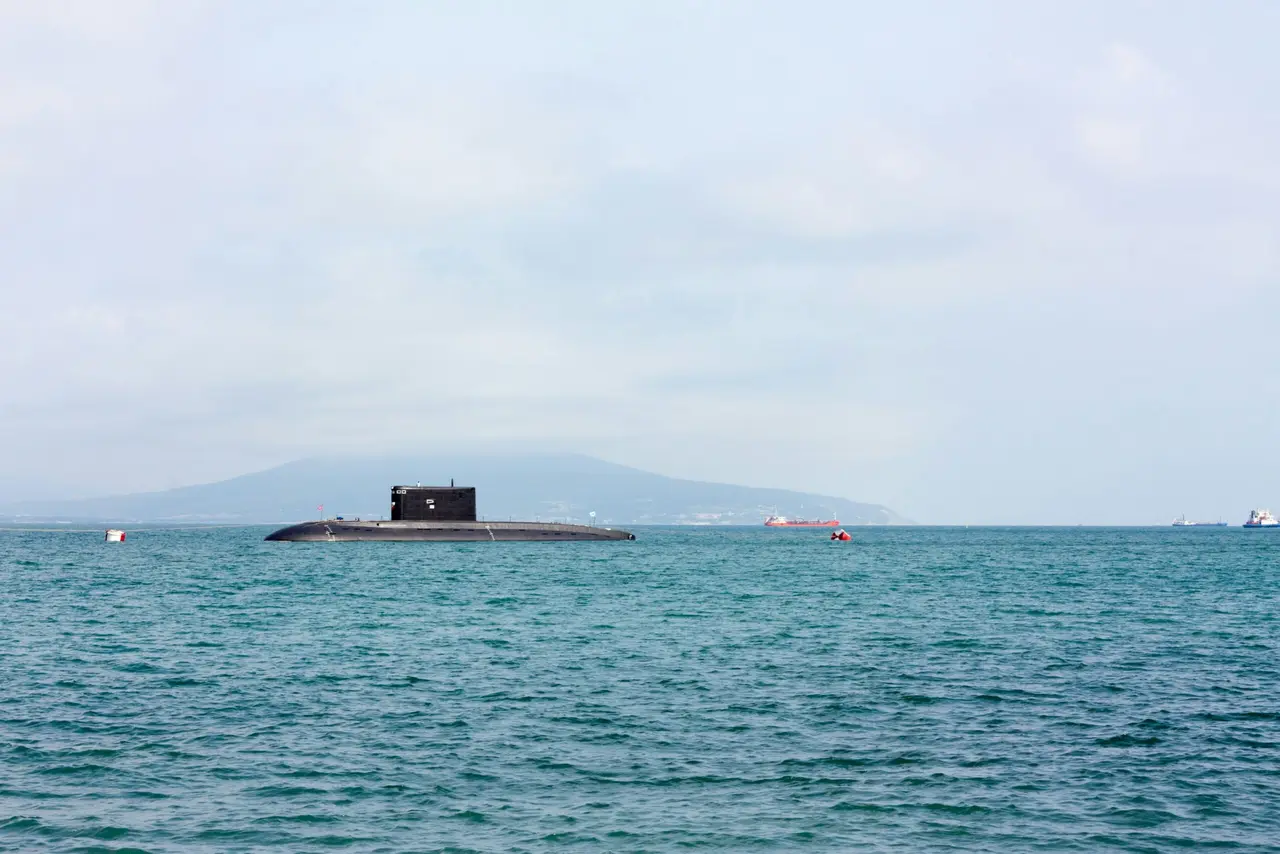
Five years after launching its Indo-Pacific Tilt, the United Kingdom’s Asian projection has evolved from post-Brexit rhetoric into a strategic commitment. At the core of London’s security posture lies the AUKUS pact with the United States and Australia. By leading the design of the SSN-AUKUS nuclear-powered submarines and co-developing capabilities under Pillar II, ranging from quantum computing to hypersonic systems, Britain sustains its domestic defence industrial base while reinforcing maritime deterrence in the South China Sea and the Taiwan Strait. Geoeconomically, full membership in the Comprehensive and Progressive Agreement for Trans-Pacific Partnership (CPTPP) allows the UK to anchor itself to high-growth value chains and help shape digital trade standards. Together with trilateral defence pillars like the Global Combat Air Programme (GCAP) with Japan and Italy, these initiatives demonstrate that London views Indo-Pacific stability as inseparable from Euro-Atlantic security.
Strategic Sustainability and the China Balancing Act
The central vulnerability of Britain’s Indo-Pacific strategy is not a lack of diplomatic ambition, but the widening gap between global commitments and finite resources. Persistent security demands in Eastern Europe and the High North alongside tight fiscal constraints, the Royal Navy cannot sustain a permanent, high-intensity presence thousands of miles from home without risking strategic overstretch. Furthermore, Downing Street’s calibrated formula toward China (‘compete, challenge, cooperate’) requires constant diplomatic tightrope walking. While security agencies scrutinize Chinese investments in critical infrastructure, the Treasury relies on the City of London’s role as a premier offshore renminbi clearing hub to stimulate sluggish domestic growth. Caught between Washington’s push for stricter technological decoupling and the UK’s own economic vulnerabilities. The UK must ensure its Indo-Pacific engagement remains selective, sustainable, and integrated with regional partners rather than driven by symbolic naval deployments.