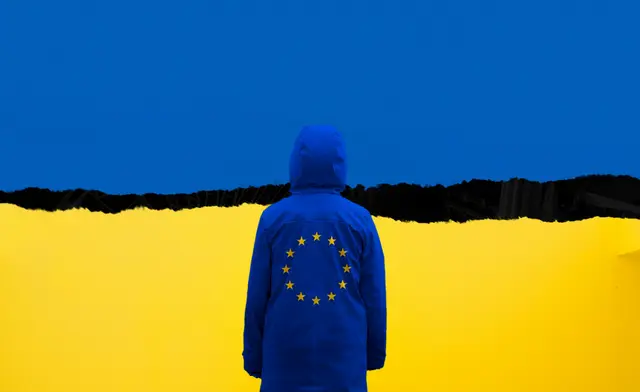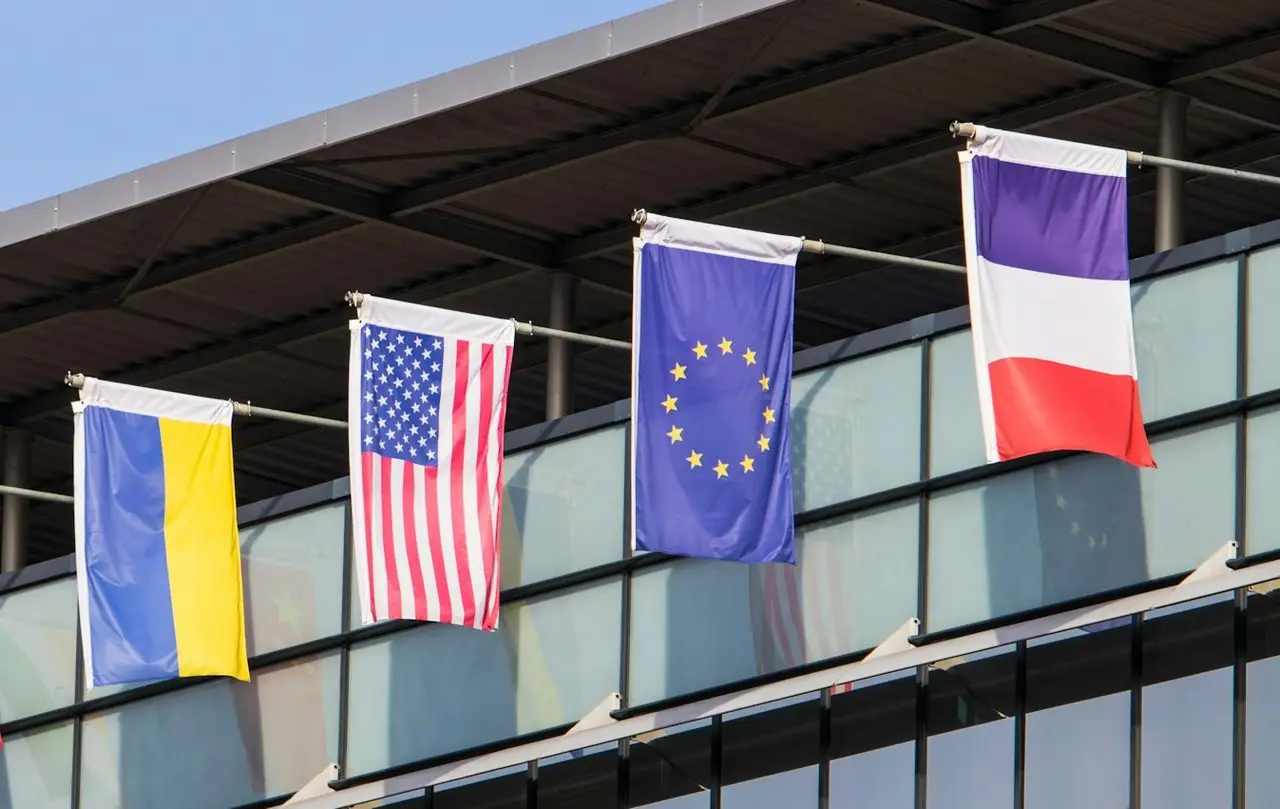
On 10 and 11 November, after months without direct meetings, Russia and Ukraine resumed US-mediated peace negotiations in Abu Dhabi. Although representatives from France, the UK, Germany, Italy, NATO, and European institutions participated in separate consultations with the American and Ukrainian delegations, the European representatives did not negotiate directly with Russia. As a result, questions began to be raised about Europe’s role in decisions that could shape its own security.
On 11 November, French Minister Delegate for the Armed Forces and Veterans Alice Rufo argued that an agreement could not be reached without European participation, given their security interests and support for Ukraine. Rufo emphasized that European representatives were taking part in the discussions. Still, she attributed the resistance to their presence in direct negotiations mainly to Russia. On the occasion, Russian negotiator Vladimir Medinsky questioned the role and presence of the Europeans, while Washington signaled that they could participate in future negotiations. Finally, the parties made no significant progress toward a peace agreement, although they reached an agreement in principle on a prisoner exchange.
It is worth noting that, on 5 November, Donald Trump had suggested that a broader agreement with Moscow could involve the whole of Europe. The European Union’s foreign policy chief, Kaja Kallas, responded that Europe already had a security architecture in place.
Legally, there is a difference between consultation and consent. Customary international law prevents the imposition of obligations on third states without their consent (VCLT, Article 34). And, depending on their terms, security assurances can also be political commitments or legal agreements.
However, at this stage, an agreement between Russia and Ukraine could reshape European security, even without legally binding European states. Therefore, considering the possibility that European countries may have to guarantee Ukraine’s future security, should they have an effective say in defining the terms of peace?