A familiar demand, timed for Shenzhen, recasts safeguards as a great-power bargain
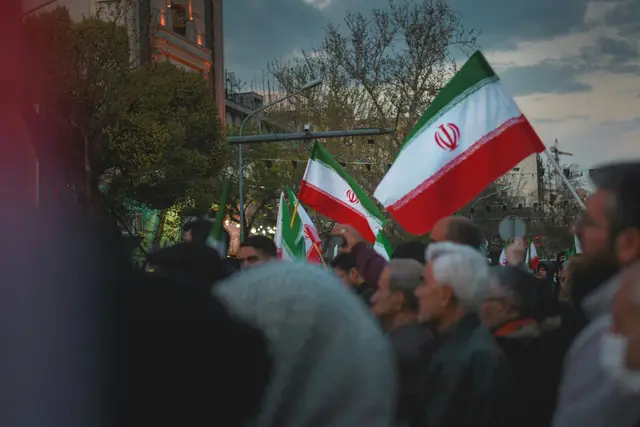
At the IAEA Board on 19 November, Russia read out a joint statement with Iran and China, stating normal verification in Iran can resume only once military operations end and credible guarantees against renewed strikes are given. The position is not new, as the three states set out similar conditions in June and September 2026, and Iran’s Vienna mission repeated them on 14 November. The statement comes as the Board considers a new US-E3 draft resolution. On the same day, Trump, Xi, and Putin held their first trilateral meeting in Shenzhen, with Iran and nuclear arms on the agenda.
By recycling a familiar stance on the day of the Shenzhen summit, Moscow and Beijing are addressing Washington, not Vienna. Only major powers can credibly underwrite a pledge against renewed strikes. Co-signing Iran’s condition allows Russia and China to cast themselves as indispensable guarantors, converting a technical safeguard dispute into a great-power security bargain.
Having already referred Iran to the UN Security Council, the Western-led IAEA Board has little left to escalate. Tehran, Moscow, and Beijing dismissed Resolution 2231 as expired, and the E3’s snapback as void. Any binding security guarantee would likely require a new Council resolution, giving them a veto over the terms of settlement.
Every month without inspections irreversibly degrades the IAEA’s knowledge of Iran’s enriched uranium stockpile. For Iran, growing nuclear ambiguity is a rising source of leverage and a depreciating asset for Washington.
A new US–E3 censure resolution risks playing into this dynamic. By reinforcing Russian and Chinese claims that Vienna is being instrumentalised for political pressure, it weakens the agency’s standing and pushes negotiations away from technical verification toward a great-power deal struck over the IAEA’s head.