
© 2026 EPIS · Independent · Non-partisan · Funded by the EPIS FellowsLegal Notice · Privacy Policy · · Cancel contracts here · RSS

Sophie is a Vienna-based MA International Affairs student at King’s College London. After early work in social impact startups, she moved into geopolitical risk and diplomacy. She writes about European and Middle Eastern politics and geopolitics, and MENA-EU relations, with a focus on peace and security issues. Her work also covers non-proliferation, arms control, nuclear doctrine, and emerging threats.
Tehran is protecting European restraint more than its own reputation. European firms already help run the Gulf air defences that Iranian drones target, so the more Iran relies on drone pressure, the more likely it is to kill Europeans again. Each new death makes it harder for the EU to keep sayin…

Germany’s “human in control” pledge may not survive jamming, and its likely push for exemptions risks turning a German loophole into the global standard.

As the Bundeswehr comes to depend on Israeli software and threat data, Berlin’s main lever over Israel’s conduct in Gaza, restricting arms exports, becomes a risk to its own defences.
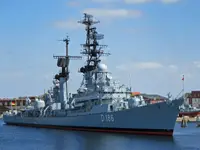
Tehran’s reparations demand is a counterclaim to stop a compensation regime like Iraq’s. It pressures Bahrain and spares Qatar, the mediator.
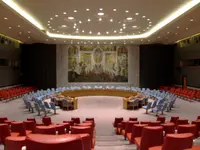
US defunding and Iran’s work in the treaty’s grey zone together keep the chemical-weapons allegations beyond verification.

AI’s main gift to Iranian influence operations is cheap access to allies’ own debates, turning genuine policy differences into propaganda evidence.

Iran is fighting to remain a regional digital chokepoint as Armenian–Azerbaijani fibre routes erode its leverage over both Yerevan and Baku.
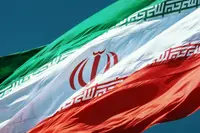
Host-state pressure, not Tehran, now shapes Iran’s proxies: Hezbollah and Kataib Hezbollah bargain with assertive states, while the unconstrained Houthis remain Iran’s lever of coercion.
Iran’s offer is a blockade-driven signal more than a project. Its quieter effect is to offer Armenia an alternative to Azerbaijani fuel, the peace process’s first economic dividend, while making Yerevan weigh what TRIPP’s sanctions exposure will cost it.
Tehran gave up an exposed revenue stream to protect two things it values more: the ground, and the precedent that Baghdad’s authority over the factions runs through Iranian mediation.
Germany has made its legal exposure depend on a Gaza case in which it chose to have no voice. Meanwhile, the broader reading of genocidal intent it argued for in 2023 has been adopted in The Gambia v. Myanmar over the objection of its own judge.

PODS is years from being a weapon, but the damage to Berlin’s standing on space arms control starts now, as the industry is filling a gap in doctrine that the government hasn’t addressed.
By backing Iran’s demand for guarantees, Russia and China are offering themselves as its guarantors, turning a verification dispute into a great-power bargain.
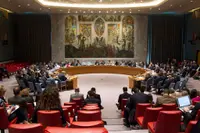
Iran’s threat to treat Gulf civilian infrastructure as “dual-use” is meant to deter, but it validates its adversaries’ targeting logic and pushes Gulf hosts closer to Washington. That defeats the coercive aim behind it.
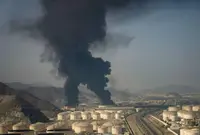
Tehran is reaching Europe through clerical and criminal networks beyond the reach of EU sanctions, while weakening its own Bosnian partners.
Tehran used an economic bloc to float a security order, but it found states that can sign communiqués, not secure a strait, and even they mostly sent deputies.
Germany’s spy reform lets the executive conduct covert sabotage abroad without the parliamentary approval required for military deployments.
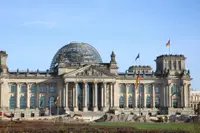
The claim that two militants carried Starlink may matter less for the border than for the tens of thousands of Iranians using the same devices at home.

Tehran showed missiles, not mixers: the unveiling proves storage, not bombardment-proof production, and may hand Washington and Jerusalem a valuable target.
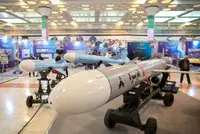
A repeat attack on Quantum Systems’ joint ventures could interrupt a key supply line for Ukraine’s front and air defence.
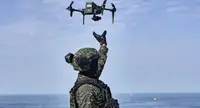
By saying Hormuz will “never return” to its pre-war status, Tehran is signalling that reopening the strait is no longer the end goal, but a bargaining chip for lasting control over it.
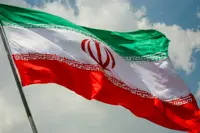
Germany’s Hormuz commitment is now a standby capability, not an operation. Unlike Aspides, where Berlin deployed within weeks into an active threat environment, its Hormuz conditions mean German ships would only arrive once the danger has passed.
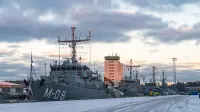
Iron Gate aims at the overland and Caspian routes Tehran uses to rebuild its military industries: Russian detonators and drone parts by sea, Chinese electronics by rail through Central Asia.
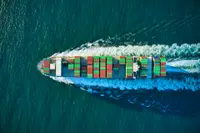
Iran’s threat to strike Europe is mainly coercive: it aims to make hosting US bases costly and to split European capitals from Washington. Its missiles probably can’t reach Germany yet, so the real risk lies in hybrid options below the threshold of open war.
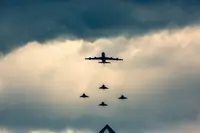
For Berlin, the renewal is a low-cost way to stay present in the Mediterranean, contributing staff and patrol aircraft, with a ship only a possibility, at a time when the Bundeswehr’s priority is NATO’s eastern flank.
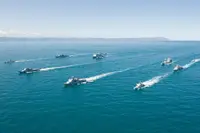
Germany once hesitated to send Ukraine 500 km Taurus missiles. Now it is co-developing a weapon with four times the reach to bolster EU and NATO defence capabilities.
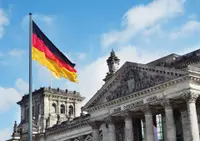
Berlin’s likely next mayor privately admitted fearing pro-Palestinian militants in her party’s orbit. The episode raises an uncomfortable question: can extremist milieus deter politicians without ever breaking the law?
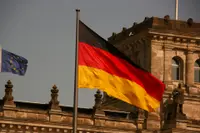
As Washington readies post-midterm strikes, Iran’s best deterrent threatens the Gulf states carrying its diplomacy. Where Tehran aims next will show if it still sees a way out.
Israel’s election has produced a hung Knesset, leaving Netanyahu as caretaker. What could a far-right Netanyahu coalition or an Arab-backed Eisenkot government would mean for Iran, Gaza and Israel’s allies?

Qatar, long Iran’s quiet channel to Washington, is now setting conditions. As the region’s middle powers converge, Tehran’s Hormuz leverage is becoming a diplomatic liability.
Cheap, mass-produced interceptors from Munich could help close Europe’s air-defence cost gap, and leave Berlin with a hard choice over selling them to Gulf states under Houthi attack.
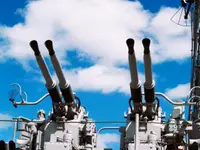
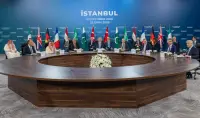
At a first-of-its-kind R4–E3 meeting in Istanbul, Wadephul prioritises shipping and food security. The format could give Europe a foothold in the emerging regional order, if it survives disagreements over Israel.
By keeping its unverified 60% stockpile at home, Iran is turning nuclear ambiguity into insurance against renewed strikes.

A German court has confirmed Iranian state terrorism on German soil. Expelling the Iranian Ambassador could cost Germany one of Europe’s last diplomatic channels with Tehran.

The Bundestag has kept German soldiers in the EU’s Red Sea mission until 2027. But with no German warship deployed and no role in Hormuz, Berlin’s commitment looks stronger on paper than at sea as Iranian attacks on shipping intensify.
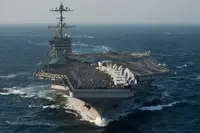
Germany’s participation in “Steadfast Noon” 2026 signals continuity in NATO nuclear sharing, but also a strategic dilemma: Berlin is hedging between Washington and Paris, European in aspiration but American in hardware.
