Kuwait deaths expose Europe’s quiet war role, and Tehran’s dilemma
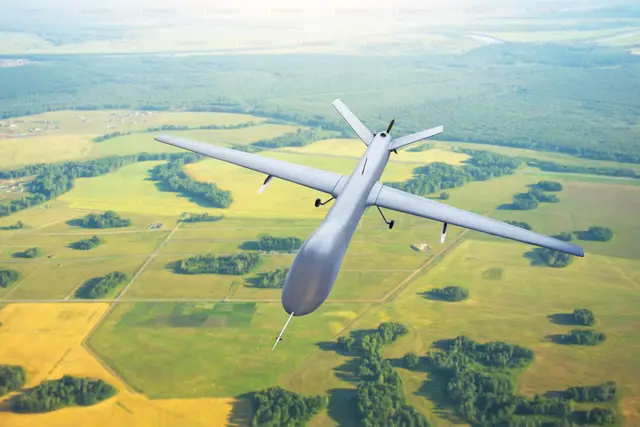
On 26 November, a drone attack on an air-defence monitoring station in Kuwait killed two Italian technicians working for Rheinmetall Italia; two others were wounded. Kuwait and Italy blamed Iran. Kuwaiti authorities said the men died from falling debris as forces intercepted drones heading towards a “vital site”. Foreign Minister Abbas Araghchi phoned his Kuwaiti and Italian counterparts, denied Iranian involvement, offered condolences and proposed a joint investigation, while calling the incident “suspicious”. European Commission President Ursula von der Leyen called for stepping up pressure on Tehran, stating that Gulf security is “a matter of security for us all”.
Tehran’s rapid outreach aims at preserving European military restraint. EU states have so far refused to extend the Aspides naval mission into the Strait of Hormuz during hostilities, and Rome insists Italy is “at war with no one”. Iran wants that line to hold, but the Kuwait deaths blur it. Rheinmetall’s Skyguard systems have long protected Kuwaiti critical infrastructure, and the company has trained Kuwaiti crews to operate them. European firms are therefore already embedded in the Gulf air-defence layer that Iranian drones penetrate. In March, Kuwait and the UAE asked Italy for further anti-drone systems.
This creates a structural dilemma for Tehran. Drone pressure on Gulf infrastructure is one of its main coercive tools, yet the closer these attacks come to European-supplied systems, the more likely European casualties become. Araghchi’s “suspicious” framing and investigation offer to shift the question from who launched the drones to what killed the technicians, buying time as EU capitals weigh culpability. However, diplomacy cannot eliminate the overlap between Iran’s targets and Europe’s defence-industrial footprint. If casualties recur, EU states may find it harder not to be actively drawn into the conflict to protect civilians and infrastructure.