France’s dispute over the next European Union budget has moved from Brussels’ negotiating table into its presidential campaign. After EU leaders failed to bridge deep divisions at a special summit on Thursday, Emmanuel Macron said he would not continue talks beyond 31 December, arguing that the 2027 French election would make it politically and democratically impossible.
The 2028–2034 budget sets the Union’s spending priorities, from farm support and regional funds to security and aid for Ukraine. The European Council confirmed that leaders discussed the overall size of the plan, the distribution of funding and possible new revenue sources, but left the issue for a future summit. Negotiations are due to resume in December.
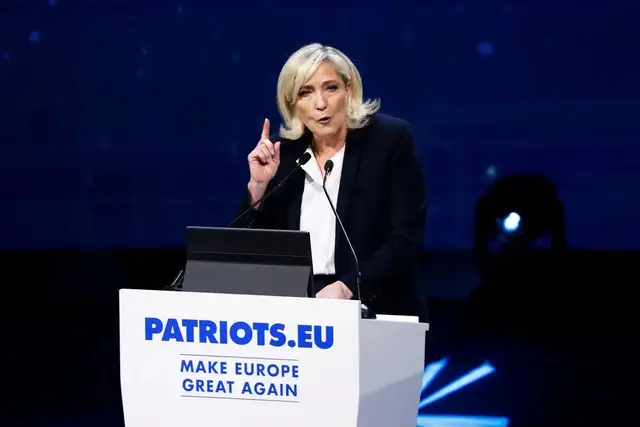
Macron’s deadline is meant to force a compromise before the French vote. It has also drawn a sharp response from Marine Le Pen. The National Rally leader accused EU governments of trying to settle the budget before French voters can express their view. If elected, she has pledged to halve France’s contribution to the EU and end military aid to Ukraine.
The immediate argument is over the size and shape of the budget. Germany and other net contributors want a smaller plan; France opposes further cuts and is defending agricultural funding. Macron has also backed proposed EU revenue sources, including a digital levy, as a way to fund shared priorities without simply raising national contributions.
The budget talks now carry a French political risk: a deal delayed until after the election could face a very different government in Paris.
No agreement was reached in Brussels. The next round will test whether Macron’s deadline can bring governments closer or make the French election an even larger obstacle to a common European budget.