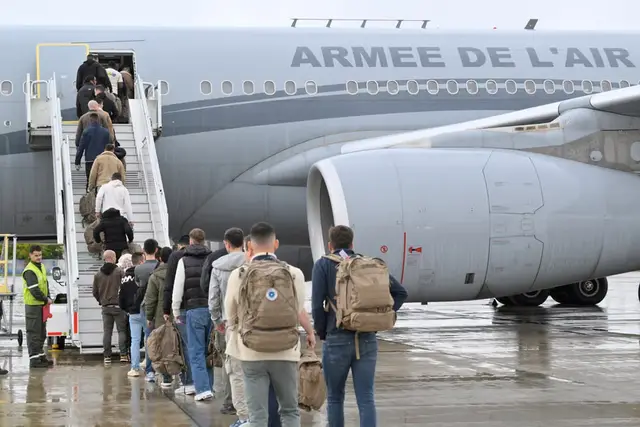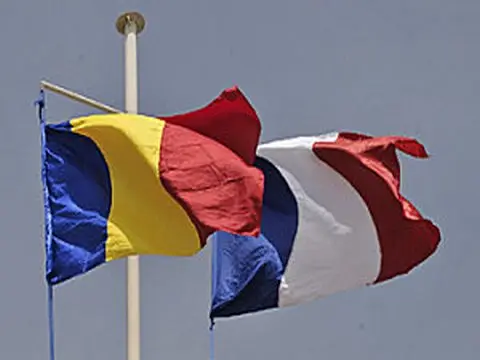
On 19 November 2026, French and Chadian forces resumed joint military exercises in N’Djamena, deploying French Mirage 2000 aircraft alongside local units linked to the regional GEX drill. The operation follows a letter of intent signed in Paris on 13 October 2026 to re-establish defence cooperation, less than two years after President Mahamat Idriss Déby Itno terminated the bilateral security agreement and ordered the withdrawal of approximately 1,000 French troops. While officials describe the exercises as technical training, the move reflects a structural adjustment in how France maintains security ties in the Sahel.
Shifting Parameters of Bilateral Cooperation
The renewed engagement points to converging strategic calculations rather than a return to previous arrangements. For decades, France relied on permanent military bases to project power in the region, a model that became financially burdensome and politically unsustainable amid rising anti-French sentiment. Operating through periodic deployments and targeted training enables Paris to lower expenditure and limit domestic opposition while retaining access to regional intelligence. For Chad, re-opening defence channels with France serves to diversify its security partnerships as instability persists along the Sudanese border and in the Lake Chad basin. Although N’Djamena has expanded ties with Russia, Turkey, and Gulf states since 2024, these actors have not fully substituted French air support and logistics. Nevertheless, transitioning from standing forces to episodic drills entails clear operational limits. A reduced presence mitigates political friction, but it also constrains France’s capacity to respond rapidly to acute security crises.
Implications for Regional Security
Can regular military drills keep France influential in a region where rival powers are growing stronger? And can Chad keep working with different foreign partners if the fighting near its borders gets worse?