



Seizing the narrative
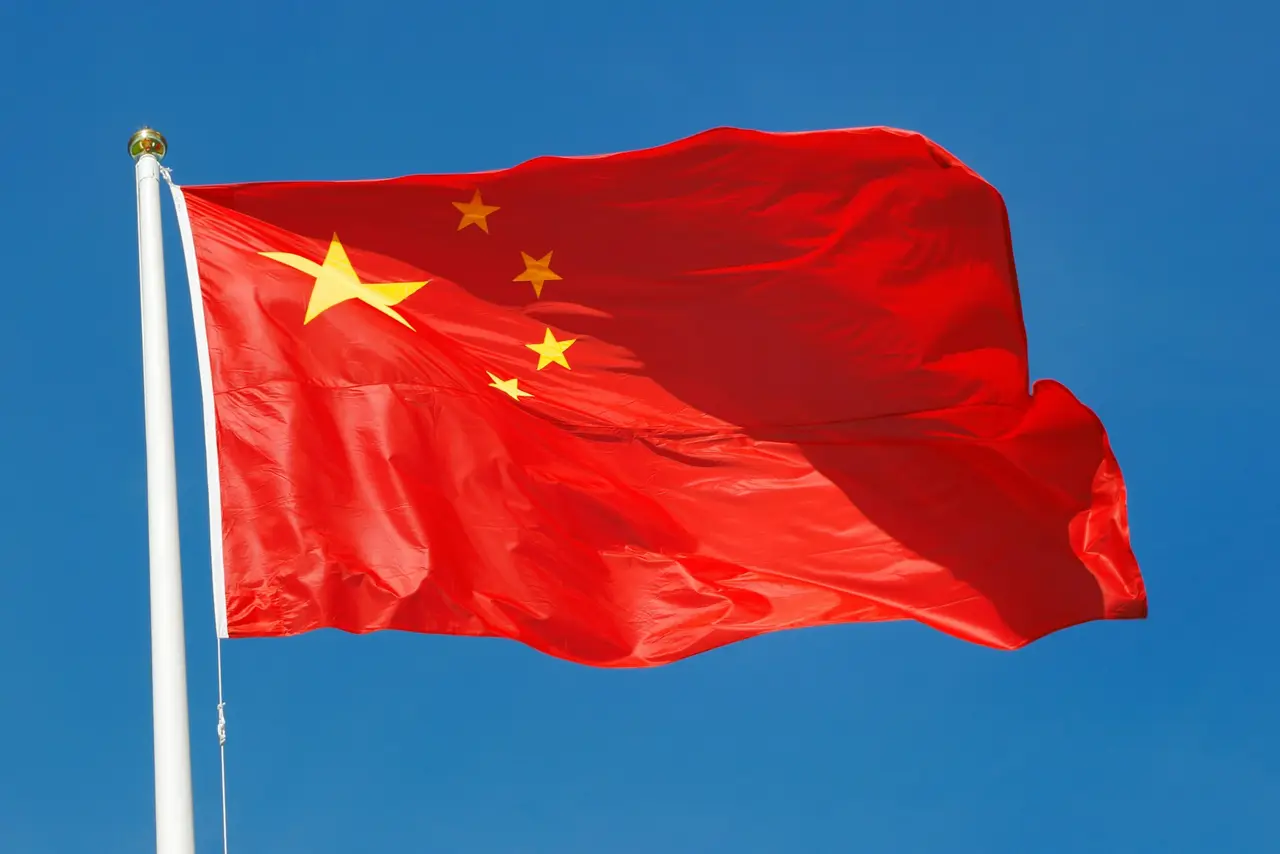
COP30 witnessed a completely different face of China, one that holds a tight grip over the climate discourse and offers ready-made solutions to pressing problems like climate mitigation and adaptation. It sent the second-largest delegation to COP30, after host Brazil. It positioned itself as “keeping its promises,” and explicitly criticised the EU’s climate targets as insufficient right before the conference. It went further still, positioning itself as the leader of green development in the Global South, touching a nerve in Brussels.
Not a funding problem
Ahead of COP30, the EU published its 2024 climate finance figures, roughly €32 billion committed to helping countries across the Global South cut emissions and adapt to climate change. China publishes no comparable figure, preferring bilateral deals over formal multilateral commitments, likely because Beijing wants to avoid the transparency burden those commitments carry.
Yet a bigger, better-documented number has not bought Europe more influence. Even Brussels admits it dishes out billions while “everybody talks only about China.” If anything, the number has bought China more room to move.
Brussels treats climate finance as a governance exercise, tied to reporting, oversight, and conditions attached before a single euro moves. Beijing treats it as a service, delivered fast, with no questions asked about how the money gets used. This is not a funding problem. It is a speed problem.
Two different clocks
The clearest evidence of this gap sits on the ground. In Angola, China’s Benguela Railway runs alongside the EU’s own Lobito Corridor. In Cameroon, China’s Memve’ele hydroelectric plant sits a short distance from the EU’s Nachtigal plant. Nearly every flagship European project in the Global South now has a Chinese counterpart competing for the same government’s attention.
The gap between them reflects two different governance models, not two different levels of effort. China has already rebuilt its own model once, moving away from the debt-heavy megaprojects of the Belt and Road Initiative’s (BRI) first phase toward a “small and beautiful” strategy: smaller, commercially driven projects that clear approval fast because one actor, the Chinese state, makes the call. Brussels cannot do this by design. The EU itself describes this as a structural disadvantage. Beijing’s policy feedback loop moves faster because it answers to one decision-maker, while Brussels must coordinate officials juggling multiple portfolios across separate offices, then align 27 member states behind a single position before a euro moves. It is what accountability to 27 governments actually requires.
The EU cannot move faster, even if it wanted to. Brussels built the Global Gateway explicitly around “transparency and good governance,” a direct rebuttal to the debt traps and opaque contracts that have trailed Chinese lending elsewhere. That governance layer is not bureaucratic drag bolted onto a good idea. It is the idea. And it is also, unavoidably, the reason a Global Gateway official could describe the initiative as only reaching “cruising speed” years after launch, and why the EU could disburse €350 billion in grants between 2014 and 2018 alone and still lose the visibility contest entirely.
A trade-off worth making?
A highway that cannot be repaid looks the same as one that can, right up until the bill arrives. Montenegro is finding that out now, along with seven other BRI recipient countries carrying debt they cannot service. In 2025 alone, developing countries owe China a record $35 billion in repayments, two-thirds falling on the world’s poorest 75 countries, squeezing the health, education, and climate spending it was meant to protect.
This is what makes Europe’s caution defensible. A euro that arrives slowly, checked and accounted for, is worth more than one that arrives fast and becomes debt a country cannot climb out of. Montenegro’s trap did not happen because someone checked a project too carefully. Nobody checked it at all.
But defensible is a lower bar than smart. Transparency and speed can coexist; they simply never had to, because for years the only competitor was moving even slower than Brussels. China has since proven a government can act quickly and still claim to deliver. Whether that claim survives its own debt numbers is a separate, open question. But careful and slow have quietly become the same thing in Brussels’ own vocabulary, and some of that gap is not the cost of accountability. It is the cost of never being pressed to separate the two.
The next test
COP30 already showed which model the Global South found more convincing. The Global Gateway has now set itself a new test: having hit its original €300 billion target two years early, Brussels raised the bar to €400 billion by 2027. Nearly half that original figure was private investment mobilised through guarantees, not cash Brussels directly controls. But Europe was never short of capital to draw on. What it has not proven is whether it can move that capital fast enough.
Either way, China made its intentions plain at COP30, treating climate finance as leverage for loyalty. This stopped being a development finance question the moment Beijing decided to make it a foreign policy one. Every project standing next to a Chinese equivalent across the Global South is a vote for whose model that government trusts next, on trade, on security, on everything that follows finance. Europe has shown it can find the capital. What comes next will show whether it can find the speed.