



Home/Working Groups/Uncategorized/Starlink Throttling Sharpens Germany’s Push for Its Own Satellite Network

Starlink Throttling Sharpens Germany’s Push for Its Own Satellite Network

After Ukraine’s Starlink scare, Berlin and Brussels race to build alternatives.

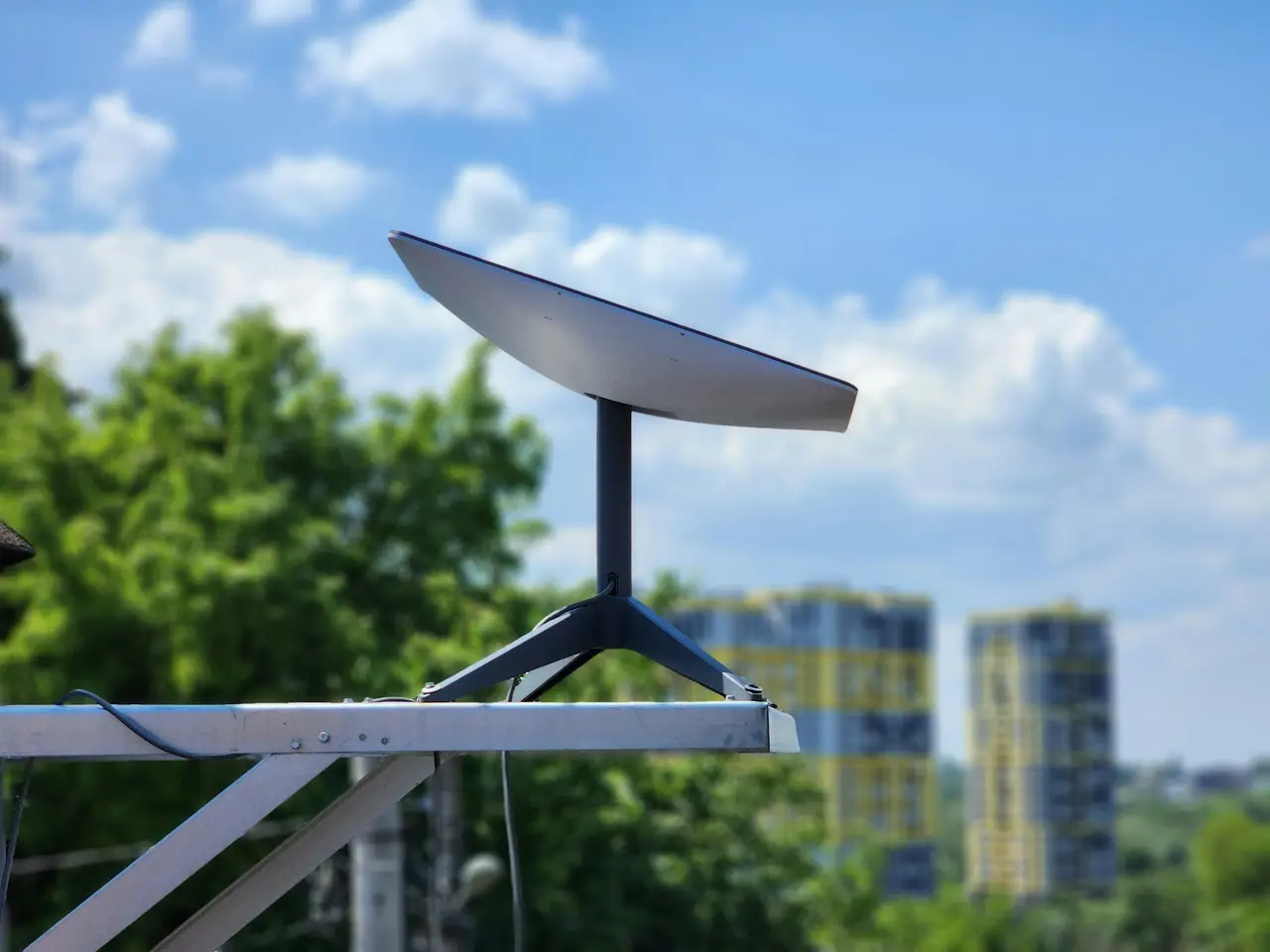
Starlink Terminal
Starlink TerminalPhoto by Evgeny Opanasenko on Unsplash
Key Insights

“Sovereign satellites on non-sovereign rockets are only half a solution.”

PDF is being prepared
1 min read
Follow us on Google

On 14 October, Ukraine accused SpaceX of throttling Starlink terminals at the front. Elon Musk replied that the US military, and ultimately the president, controls the speeds of Starshield, the government version. Washington has not confirmed this, and service was later restored. The episode renewed Europe’s calls for independent satellite communications. On 12 October, EU Defence Commissioner Andrius Kubilius said the first phase of IRIS², the planned EU constellation, should launch by 2029. Germany’s share is concrete but unfinished. Bremen-based OHB will build 18 IRIS² satellites, and the Bundeswehr plans its own system, SATCOMBw 4. No contract has been awarded.

IRIS² is planned at 348 satellites and is run by the SpaceRISE consortium (SES, Eutelsat, Hispasat), with an implementation agreement signed in early August. First launches are due in 2029, services in 2029 or 2030, about two years later than the original plan. OHB’s contract is worth just under €1 billion. SATCOMBw 4 could cost €8–10 billion, with a first partial constellation of up to 40 satellites in 2029. OHB Rheinmetall Space Networks is bidding, and an award is expected around the turn of the year. Contracts above €25 million need Bundestag Budget Committee approval. Launch capacity is the main bottleneck, since Europe relies on Ariane 6.


Luke Brix Modey Luke is a Political Science student at Goethe University Frankfurt with a focus on international relations, security, and diplomacy. Through Model United Nations conferences across Europe, he gained practical experience in negotiation, policy analysis, and multilateral decision-making. His interests include global security, international organizations, geopolitical conflict, and the future of multilateralism, with the goal of contributing to evidence-based foreign and security policymaking.

Cite this brief
Modey, L. B. (2026). Starlink Throttling Sharpens Germany’s Push for Its Own Satellite Network. EPIS Insight · Uncategorized.
© 2026 EPIS · Independent · Non-partisan · Funded by the EPIS FellowsImprint · Privacy · · RSS

Privacy preference centre

When you visit a website, it may store or read information in your browser, mostly in the form of cookies. Choose below which categories we may use. Your choice is kept for 12 months, and you can change it here at any time. Privacy Policy

Manage consent preferences

Always active