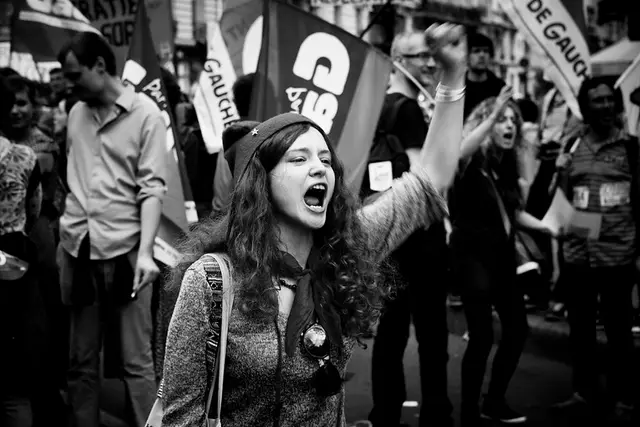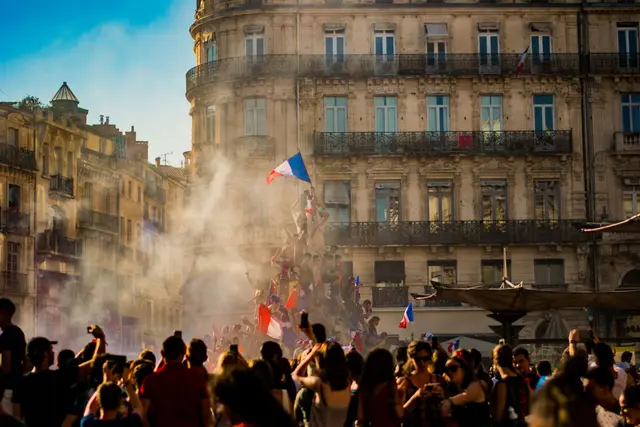



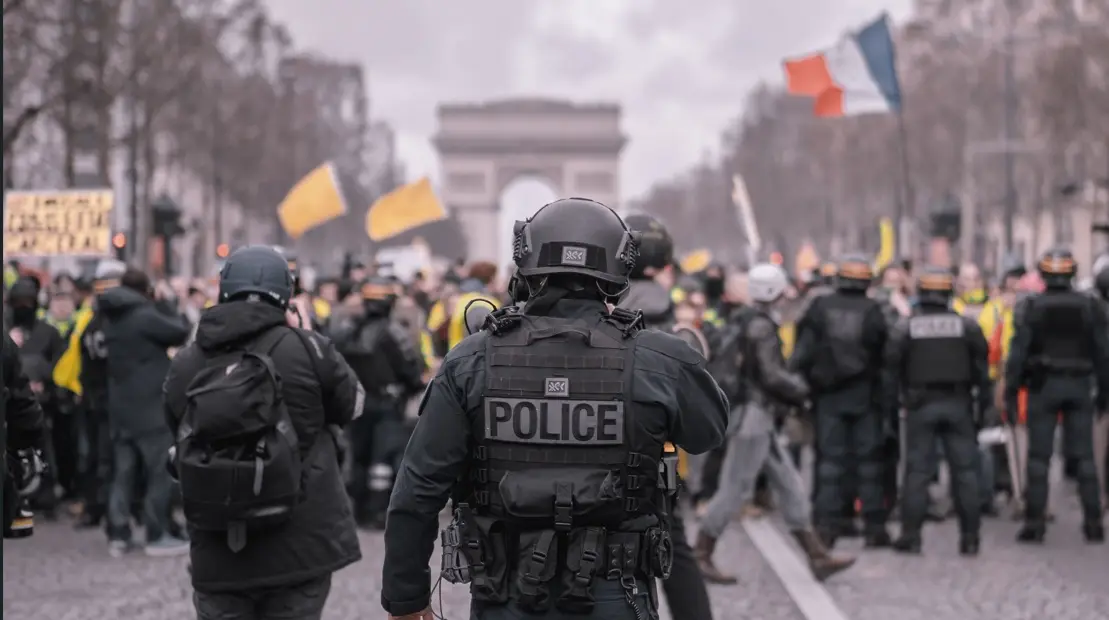
The violence during the 17 and 24 October protests has triggered political and institutional repercussions. On 27 October, CCI France announced that the protests had damaged more than 2,500 businesses and publicly called for a ban on demonstrations until the end-of-year holidays. And, on the night of 27–28 October, the Senate approved the “casseurs-payeurs” bill, which would make any protester belonging to a group that caused damage “jointly liable”, up to a maximum of €10,000, even allowing compensation to be recovered from certain social benefits.
So, now, a new dilemma between security policy and the freedom to protest was created.
Article 11 of the European Convention on Human Rights (ECHR) and Article 21 of the International Covenant on Civil and Political Rights (ICCPR) protect the freedom of peaceful assembly, establishing that restrictions on this right must be prescribed by law, pursue a legitimate aim, and be necessary and proportionate. And, in the past, the European Court of Human Rights had found a violation of Article 11 where a lawyer was reprimanded for participating in a demonstration, although he had not personally committed any reprehensible act (Ezelin v. France, 1991).
Imposing joint liability without adequate safeguards to establish individual involvement may violate human rights, as it could discourage lawful participation in demonstrations. This is the risk posed by approval of the “casseurs-payeurs” bill. However, the measure also aims to address public concern. Indeed, beyond CCI France’s appeal, a Destin commun survey also found that 72% would accept limitations on rights in the face of a threat to public order.
Therefore, France seems to be at a crossroads between public security and businesses on the one hand, and fundamental rights on the other. But if peaceful protest becomes the price of maintaining public order, it is worth asking: is the current bill truly the best way to protect a democratic society?