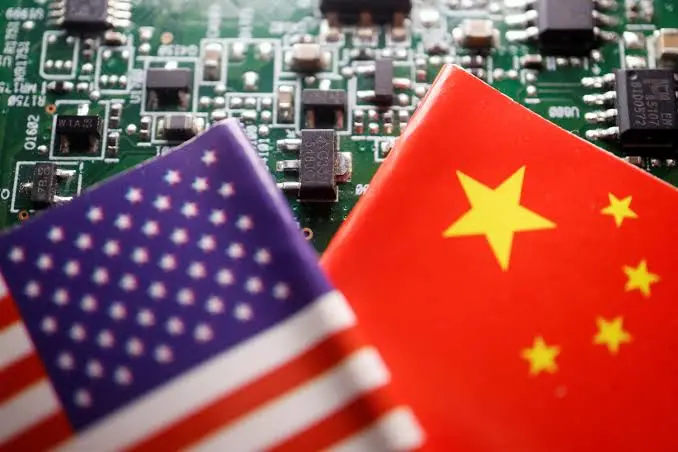
The Trump administration has introduced new measures restricting China’s remote access to advanced US chips and cloud computing servers, aiming to prevent Chinese companies from using American technology through data centres in third countries. The measures require overseas data centres serving customers in countries including China, Russia, Iran and Cuba to identify their end users. Additional licensing requirements will apply to chip sales involving Indonesia, Malaysia, Singapore, Thailand and Brazil, which Washington considers high-risk destinations for diversion. Beijing condemned the rules as economic coercion and long-arm jurisdiction, warning that they undermine Chinese companies’ rights and disrupt global supply chains in these markets.
Export Controls and the Limits of Sanctions
The new restrictions are likely to make things harder for China’s AI industry, at least in the short term, by limiting access to the computing power needed to train advanced models. However, that does not mean Beijing will be cut off indefinitely. Chinese companies could eventually find other ways to access cloud computing through overseas providers, intermediaries or investment in domestic alternatives. North Korea is a reminder that even far-reaching sanctions do not always achieve their intended goals. Despite years of restrictions, the country has continued developing its nuclear and missile programmes. The US measures may slow China down, but they are unlikely to end the race.