How a poisoned software update grounded the Bundeswehr’s Falke drones
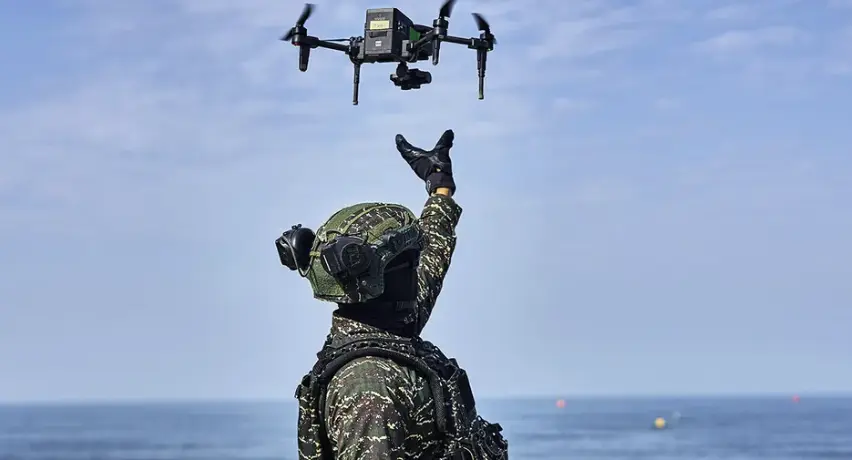
Quantum Systems, a Bavarian start-up valued at €7 billion, supplies reconnaissance drones to the Bundeswehr and Ukraine, where it employs over 200 staff. On 12 November it confirmed that “hostile actors” planted malware on its update server, disguised as an update for QBase, the mission-planning software for its Vector drone, which the Bundeswehr flies as the “Falke”. The file reached Bundeswehr servers but not the drones, and the fleet was at least partly grounded. MAD, BfV and BSI are investigating. No attacker has been named, but the BfV warned in July that firms supporting Ukraine face heightened Russian cyber-sabotage risk.
The attackers grounded German drones without striking a single one. The flight ban was self-imposed: once mission-planning software was in doubt, caution did the rest. For an adversary waging hybrid warfare, this is cheap, repeatable denial, and exposes how reliant Germany’s drone fleet is on suppliers’ software.
The Bundeswehr turned to start-ups like Quantum Systems for speed, with software updated continually based on battlefield feedback. If every update must be independently checked before installation, the agility the Bundeswehr paid for slows down; if updates are not checked, the fleet depends on the vendor’s security, and the dilemma will recur with every update, slowing down production and the supply chain.
Ukraine faces higher stakes and much greater vulnerability. Quantum Systems’ German-Ukrainian joint ventures are building 10,000 tactical drones, 15,000 Strila interceptors and 2,000 ground robots for Ukraine. A repeat attack that reached production or software at these ventures would disrupt far more than an exercise; it could interrupt a key supply line for Ukraine’s front and air defence. It remains unclear whether Ukrainian operations were affected. But as Berlin channels support through co-production, securing these firms becomes part of its Ukraine policy.