

North America
The Working Group North America focuses on North America's global influence in defence, trade, and diplomacy. It analyses US foreign policy, NATO commitments, and regional security, assessing political developments and strategic partnerships. Monthly briefings provide objective analyses and visualisations of North America's impact on global stability and security frameworks.
Latest Publications of This Group
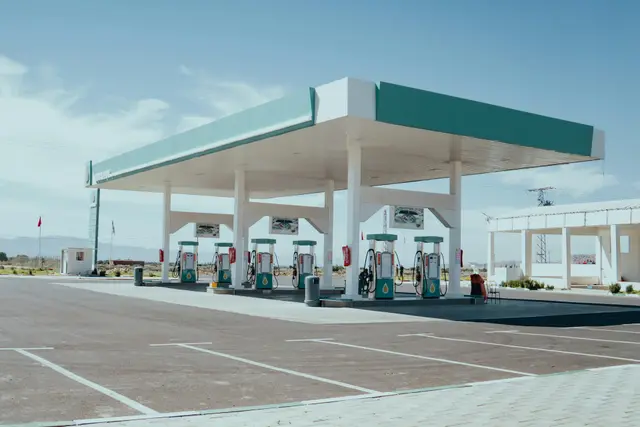
Diesel Diplomacy: Trump’s Fuel Deal with Putin and the Strain on Western Support for Ukraine
On 9 October 2026 Trump struck a deal with Putin to bring Russian diesel to US and global markets, and a week later waived the Graham Act’s Russia sanctions. This brief shows that the deal brings little price relief before the midterms, strains US law and takes away Ukraine’s most effective econo…

Prospects and Consequences of the 2026 US Midterm Elections
The 2026 US Midterm elections will determine control of Congress and serve as a referendum on Donald Trump’s second term. With all 435 House seats and over a third of the Senate up for grabs, forecasts suggest Democrats may retake the House while Republicans hold a slim advantage in the Senate. K…

The U.S. Munitions Crisis: the Limits of the American Arsenal
The U.S. is facing a severe shortage of advanced interceptors and strike missiles. Caused by deep flaws in defense manufacturing, this multi-year rebuilding gap forces Washington into difficult choices that threaten its global deterrence, especially in the Indo-Pacific.
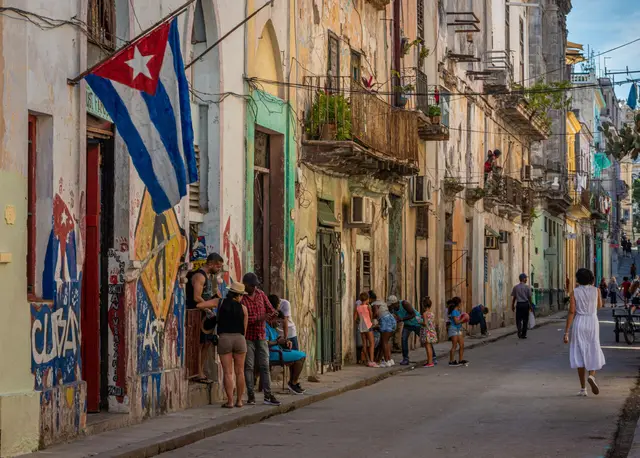
First Venezuela, Now Cuba? Implications for U.S. Operations
Following the raid on Caracas, an American oil blockade has pushed Cuba’s economy to the edge of collapse. Observers wonder whether U.S. strategy will shift from economic pressure to direct military intervention.

NATO 3.0: Burden-Sharing or Strategic Retreat?
On 7–8 July 2026, Ankara hosted the annual NATO summit. The gathering brought together transatlantic decision-makers to negotiate a series of major commitments and decisions.

Canada and the EU After the EPC Summit
How does Canada’s participation in the 2026 EPC summit reflect the evolving Canada-EU relationship? Driven by U.S. unpredictability under Trump, Canada is strategically pivoting toward the EU through deepening political, economic, energy, and security partnerships. This realignment benefits both …

Hungary After Orbán
Did U.S. support influence Hungary’s 2026 election outcome? U.S. backing of Orbán added symbolic pressure and may have weakened his sovereignty narrative, but domestic factors (economic issues, corruption concerns, and voter fatigue) were decisive. Thus, the election reflects the limits of U.S. i…

Haiti’s Endless Crisis
-Haiti’s complex security crisis has worsened since 2024. -Evolving battlefield dynamics threaten greater gang control and violence. -Political externalities endanger Haiti’s economy and political legitimacy.

Immigration and the U.S. Economy
Main question: How does intensified immigration enforcement under Trump affect the U.S. economy and corporate behaviour? Argument: Expanded detention, infrastructure growth, and public enforcement generate political gains but create economic friction for labour-dependent industries. Conclusion: T…

The Donroe Doctrine: A New Era for Cuba?
Question: Focused on the “Donroe Doctrine” vs regional stability. Argument: Centred on the use of Venezuelan energy as a coercive tool. Conclusion: Highlighted the EU’s “middleman” role via the PDCA framework.







Other Publications Regarding This Topic

Not Extended, Not Ended: Can the United States Reshape the USMCA Without Withdrawing?
The United States decided in July 2026 not to extend the USMCA, yet the agreement remains in force. This article asks how far Washington can reshape North American trade through the review process and bilateral deals without withdrawing. It finds that substantial change is possible, but only with…

Who Owns the Crypto When a Platform Fails? What the CFTC Can Learn from Retail Forex Regulation
A lender cannot hold security in a segregated account, yet a CFTC notice lets it take security in the purchased crypto asset. This article asks what retail forex regulation teaches the Commission about who owns the crypto when a platform fails.
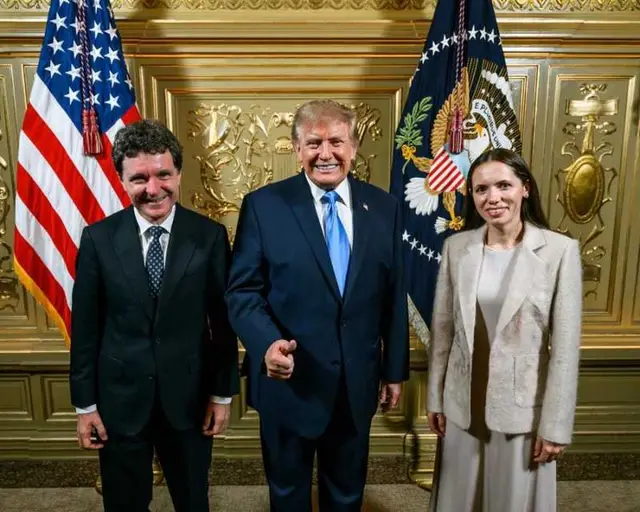
Transatlantic Tilt: Romania’s Foreign Policy Repositioning Between Washington and Brussels
Romania has tilted towards Washington under President Nicușor Dan, driven by threat perception and the shock of the annulled 2024 election. This article argues that the shift is costing Bucharest leverage in the EU, handing momentum to the far right and damaging its reputation in Brussels.

France’s Digital Sovereignty Paradox: Can Europe Break Free from American Tech?
France champions digital sovereignty, yet a cloud outage and a software flaw show Europe’s dependence on foreign technology. Does sovereignty mean building technology, or controlling it?

Why America’s Data Centres are Becoming Defence Infrastructure
As modern warfare increasingly targets dual-use digital and energy infrastructure—exemplified by recent strikes on Amazon Web Services data centres in the Middle East—the intersection of commercial artificial intelligence and national security faces unprecedented challenges. This brief examines h…

Sanctioning International Justice: The ICC and the Limits of State Power
The United States imposed a new round of sanctions on the ICC, more specifically on President Tomoko Akane and Senior Lawyer Abdoulaye Seye. This article explores the legal basis of those sanctions, while posing important questions about its long-term effects on international law.

United States and China Strategic Competition
Main Question: Does China’s rise threaten North American security and economic interests? Argument: Military modernization, supply chain competition, and coordinated political interference across Canada and the US exploit Western vulnerabilities while Mexico’s institutional isolation compounds re…

At the Border of Rights
North American migration policies increasingly prioritise deterrence and border security over humanitarian protection. Restrictive asylum systems, detention, and border externalisation expose women and children to violence, trafficking, trauma, and insecurity. These harms are structural consequen…