ATMOS and MBDA study striking ground targets from orbit
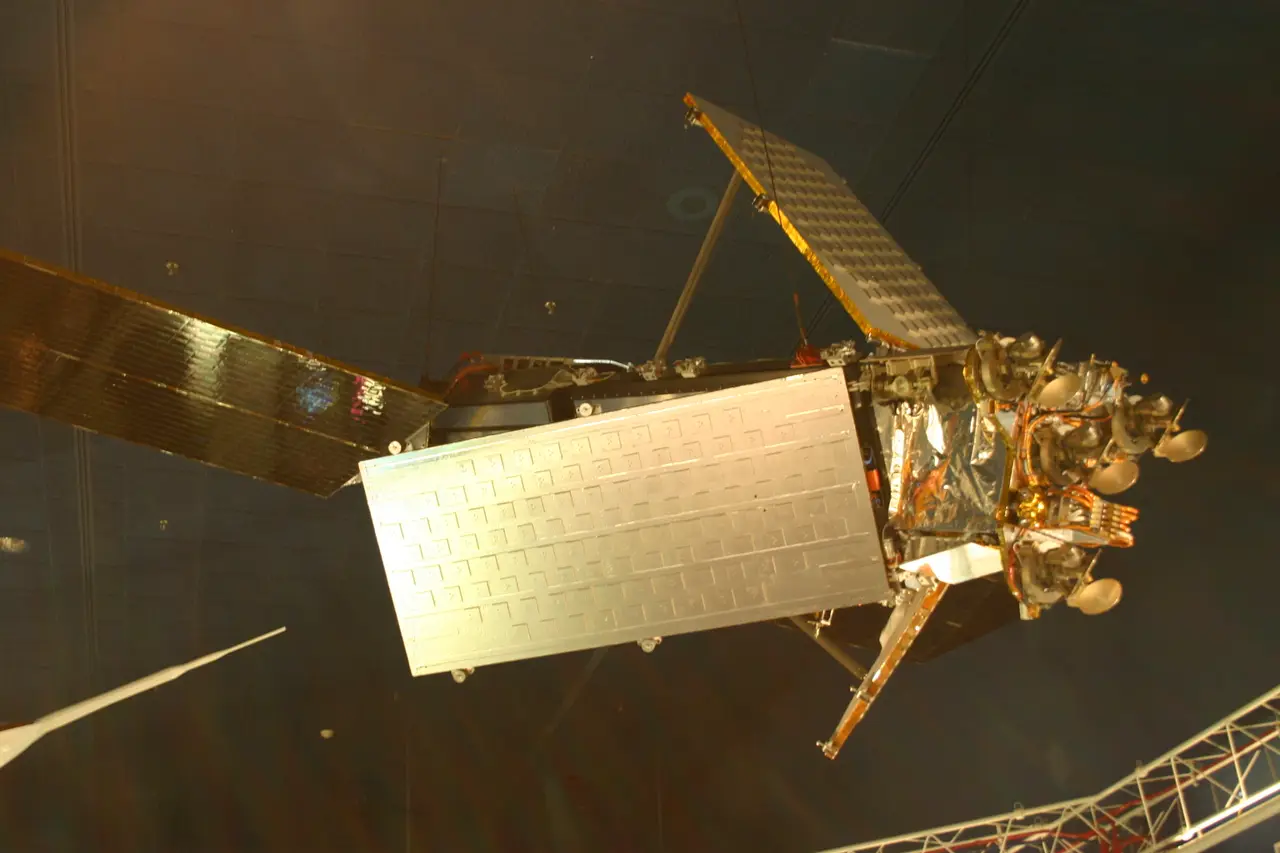
German space logistics start-up ATMOS Space Cargo and MBDA Deutschland have agreed to cooperate on “Precision Orbital Deep Strike” (PODS), a concept for delivering conventional strike payloads from orbit. Under the agreement, the firms will study the architecture, feasibility and payload integration of such a capability, which would release a missile inside a heat-shielded re-entry vehicle from an orbiting satellite. Any concrete manufacturing development would require separate agreements. ATMOS, which flew its Phoenix 1 re-entry capsule in April 2025, has increasingly pivoted from commercial cargo towards defence applications since Russia’s 2022 full-scale invasion of Ukraine.
The venture signals that the weaponisation of orbit- underscored by Washington’s September confirmation of “on-orbit space control weapons”- is outpacing European strategic doctrine. Berlin’s year-old Space Security Strategy and Defence Minister Pistorius’s pledge against an “offensive strategy in space” treat military space strictly as protecting orbital assets. Because neither defensive counter-space doctrine nor the ground-launched European Long-Range Strike Approach (ELSA) accounts for strike from orbit, commercial and defence firms are effectively setting strategic policy in a doctrinal vacuum.
That vacuum carries immediate diplomatic and regulatory risks, as Article IV of the Outer Space Treaty prohibits only nuclear and mass-destruction weapons in orbit, leaving conventional orbital strike legally untested rather than banned. Berlin champions preventing an arms race in outer space (PAROS) through voluntary norms rather than the Russian-Chinese PPWT treaty banning all orbital weapons. PODS hands Moscow and Beijing potent ammunition to argue that Western norms-based restraint merely shields allied capability development, a vulnerability compounded by Germany’s continued lack of a national space law to license and supervise private orbital activity. Until Berlin aligns doctrine and domestic oversight with industrial reality, its arms-control credibility will erode long before PODS leaves the drawing board.