


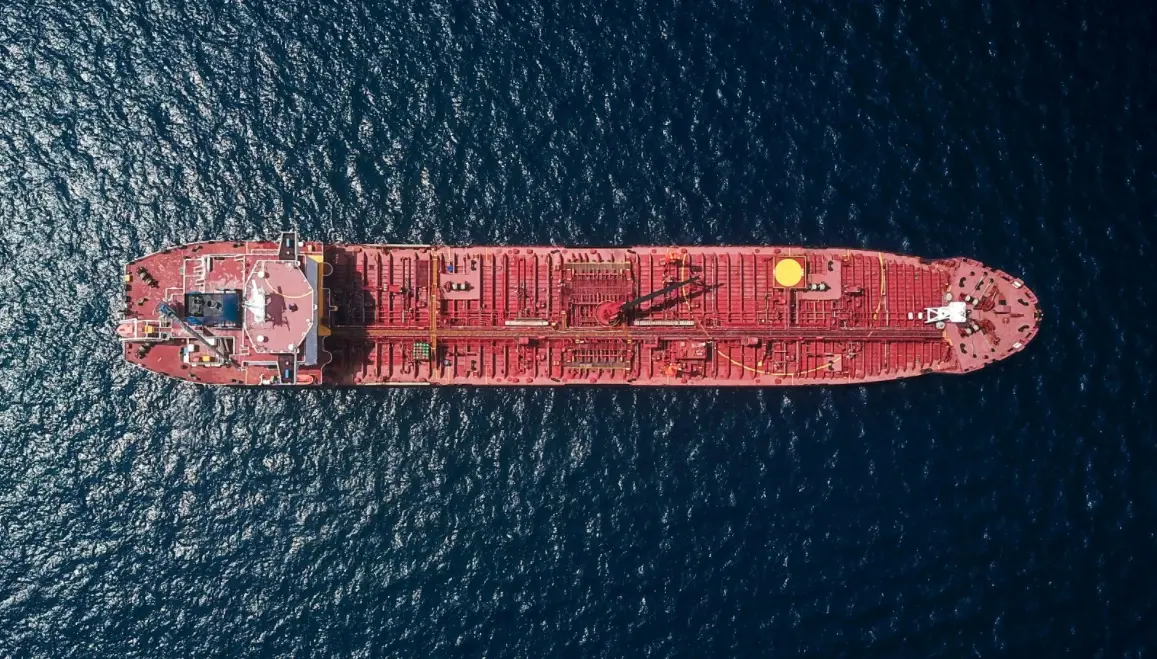
On 19 October 2026, following an intense period of protests in France, Emmanuel Macron embarked on a three-day tour of the Gulf, beginning in Kuwait, with the aim of curbing the surge in fuel prices in the country caused by the war between the US and Iran and the blockade of the Strait of Hormuz. A monthly supply of about 200,000 tonnes of diesel from the United Arab Emirates and Bahrain was announced, bringing the Gulf countries’ supply commitments to over 10% of French consumption. Kuwait and France also signed agreements in defence, data and artificial intelligence. Macron’s agenda also includes discussions in Qatar on the same topics.
French foreign policy has increasingly shown that energy, technology and security are becoming ever more interconnected. Just days before, during a defence council on 14 October, the Élysée had described AI as “strategic field that raises major issues of national security and sovereignty”, comparable to the space and nuclear sectors. And France knows that sustaining the infrastructure underpinning this sovereignty will depend on foreign partnerships. It is no coincidence that, in June this year, Abu Dhabi’s MGX joined Bpifrance, Nvidia and Mistral in a €7.5 billion project to expand an AI campus near Paris. And, recently, the country has also deepened its cooperation on AI and cybersecurity with India and Japan.
The French strategy is undoubtedly interesting, but it exposes the country’s vulnerabilities regarding its energy security. Previously, France had placed too much trust in the right of transit passage through the Strait of Hormuz, even though Iran has never ratified the United Nations Convention on the Law of the Sea. Now, the plan to diversify energy partners has become a pragmatic response, but it also raises a question: is France reducing its dependencies or simply replacing one set of dependencies with another?