Tehran’s energy pitch quietly challenges Baku’s fuel diplomacy with Yerevan
On 17 November, Iranian Petroleum Minister Hamid Bovard told an Armenian delegation led by Infrastructure Minister Davit Khudatyan that Tehran is ready to help build an oil refinery in Armenia with private-sector participation and export liquefied petrol gas (LPG) “without any restrictions,” alongside new gas-trade avenues. Khudatyan noted that upgraded border customs facilities are nearly finished. On 19 November, Prime Minister Nikol Pashinyan said Armenia would pursue a refinery using Iranian crude if Western sanctions risks can be eliminated. No binding deals, figures, or timelines have emerged.
A Meghri refinery has been mooted since 2007, while the third Iran–Armenia power line remains unfinished after 16 years. This pitch is a geopolitical signal, not a build plan, and its timing is telling. Under a US naval blockade, Iran urgently needs overland outlets; “without any restrictions” signals stranded surplus seeking an exit, not largesse.
The subtler target is Baku, an Iranian adversary. Since December 2025, Azerbaijani fuel shipments have been the peace process’s clearest economic dividend, credited by Pashinyan with breaking fuel monopolies. Unlimited Iranian LPG and domestic refining would dilute Yerevan’s reliance on Azerbaijani supply, eroding the commercial interdependence meant to anchor peace without openly opposing it.
Pashinyan’s sanctions caveat exposes Yerevan’s dilemma. Armenia already faced sanctions friction when buying refinery equipment in 2023–24; partnering with a blockaded state while Washington underwrites TRIPP raises the stakes further. Either outcome suits Tehran: a US waiver opens a hole in the blockade, while a refusal highlights the geopolitical price of Western-backed connectivity.
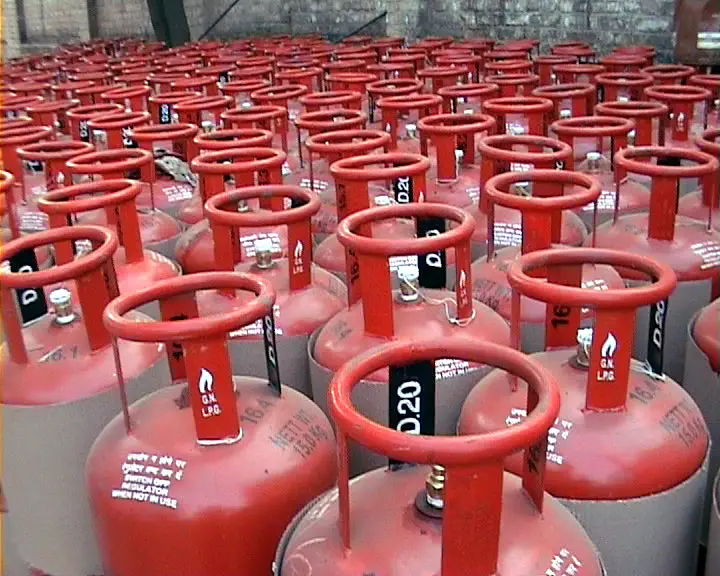
LPG is the real barometer. Unlike a refinery, it moves by truck, and upgraded border posts are nearly ready. Contracted volumes will show whether Iran has opened a northern valve or merely recycled two decades of unbuilt promises.