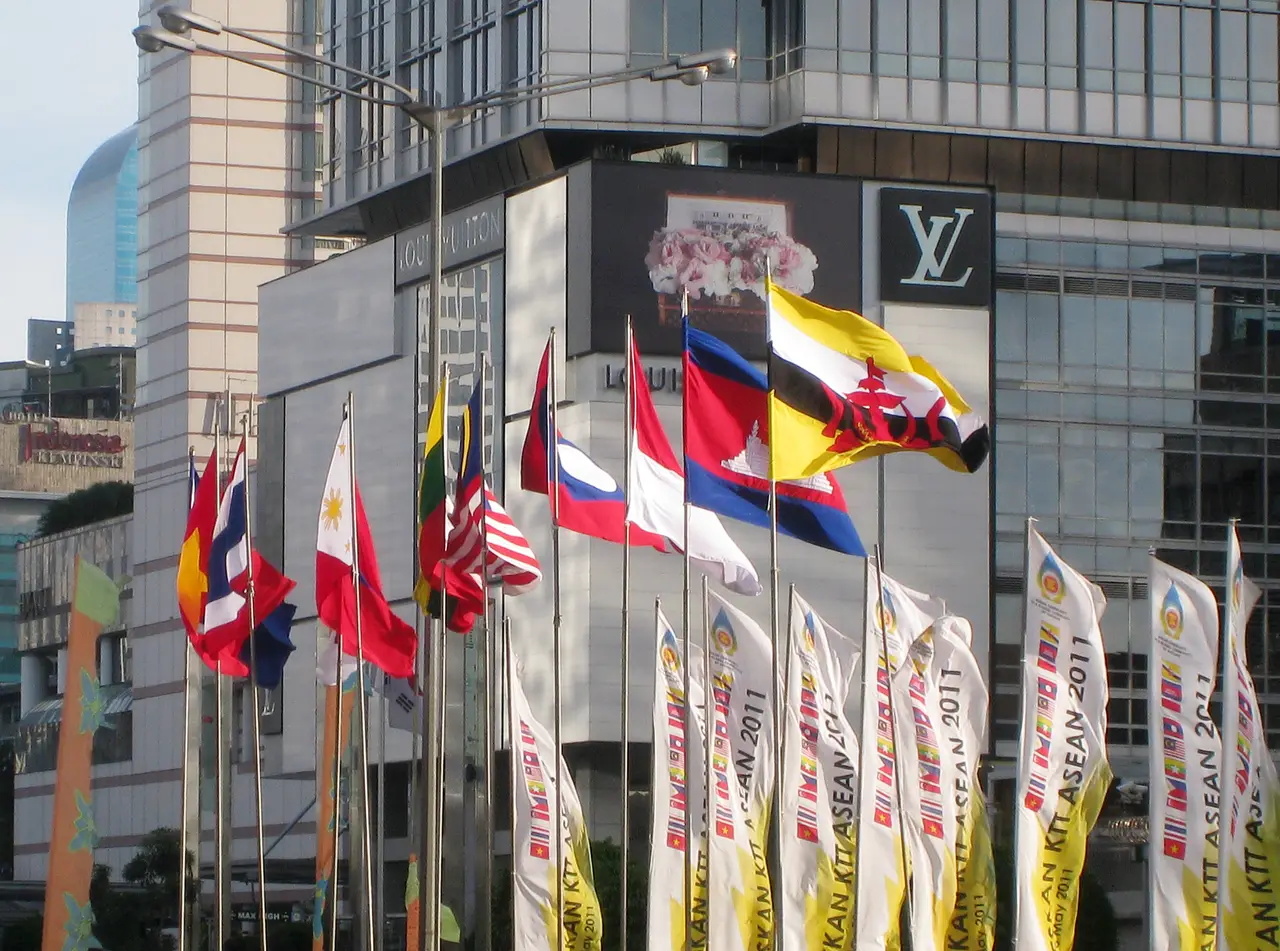
Faithful to its tradition of active non-alignment and alongside its leadership within BRICS+, Brazil is seeking to position itself as a key economic partner for ASEAN (Association of South-East Asian Nation) nations. During his visit to the Philippines on 15th November to deepen ties with the Southeast Asian bloc, President Lula issued a public call for foreign investment in the exploration and domestic processing of Brazil’s vast reserves of critical minerals and rare earths.
Brazil is one of the world’s richest countries in terms of rare earth reserves and critical minerals: it is second only to China in its REE deposits and it controls the biggest known reserve of Niobium, essential to strengthen steel and manufacture advanced batteries.
This open call aims to place Brazil within the global green transition, strengthening its supply-chain autonomy while cooperating with East and Southeast Asian partners. Securing these resources and mineral processing is increasingly vital as demand surges amid efforts to move away from traditional fossil fuels. Yet, while Brasilia has underscored its clean-energy efforts, through initiatives such as the Nova Industria Brasil plan, and the National Policy for Critical and Strategic Minerals, this green agenda stands in sharp contrast with continuous offshore oil exploration led by state-controlled energy corporation Petrobras.
Brazil’s outreach to Southeast Asia reflects an ambition to become an indispensable green tech supplier in a multipolar world, in an effort to diversify supply chains and offer an alternative to Chinese refining dominance.