
Targets to be lowered amid industry pressure?
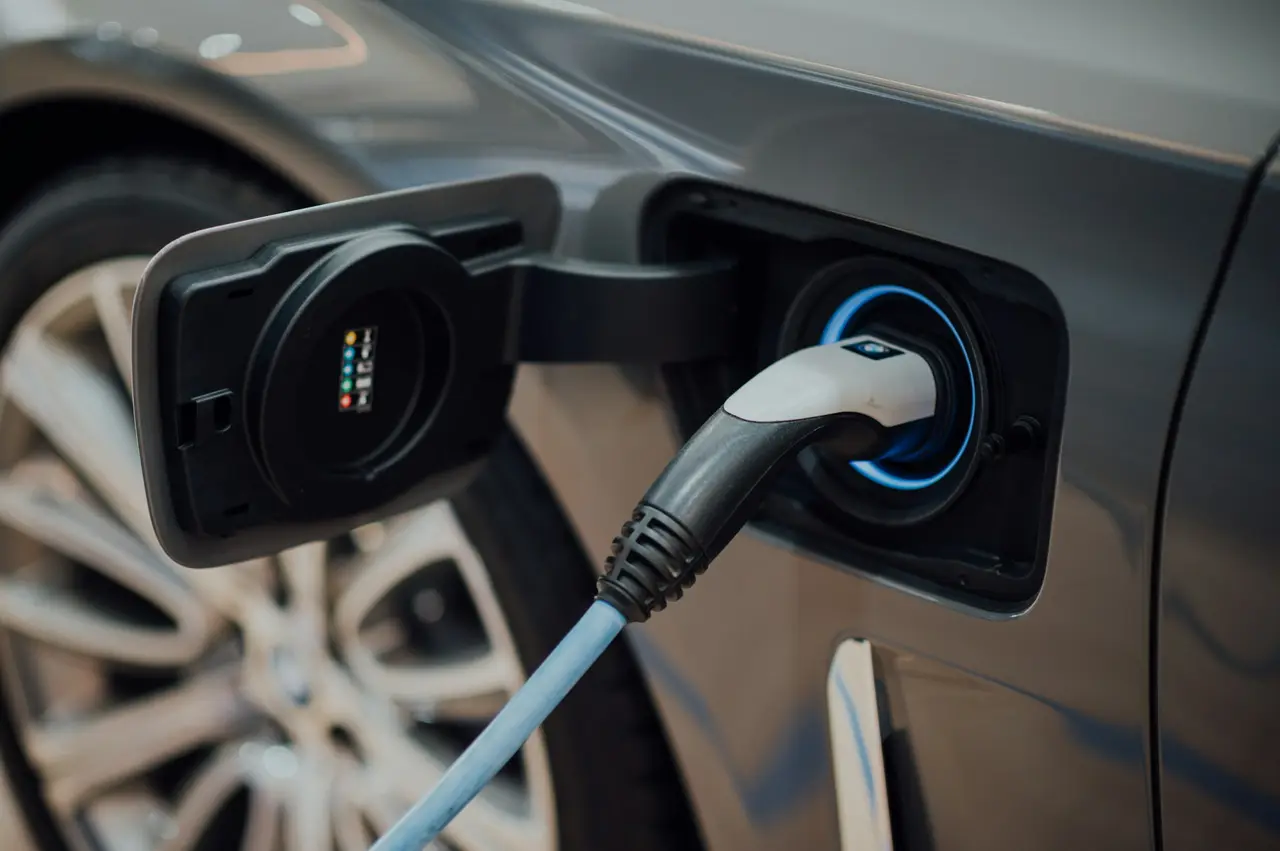
According to the Guardian, the British government is expected to announce changes to its electric vehicle policy. As it stands, zero emission vehicles have to make up 33% of annual sales by 2026, 80% by 2030, and 100% by 2035. It is now looking to lower its 2030 target to 60%.
These changes are the result of consultation meetings the government has been holding on the topic. The automobile sector has been lobbying for easing of the rules, citing low consumer demand and supply chain disruptions as major obstacles to meeting the government’s objectives.
Andy Burnham has responded to the reports, calling them ‘speculation’ and insisting no decision had yet been taken.
Backsliding on climate action
The move mirrors similar watering down of climate efforts elsewhere. The European Union has scrapped its ban on petrol and diesel car sales by 2035, following pressures from carmakers.
This also comes amidst the British government’s controversial decision to expand drilling for gas in the North Sea. Climate activists have accused the government of prioritising economic growth over environmental protection.
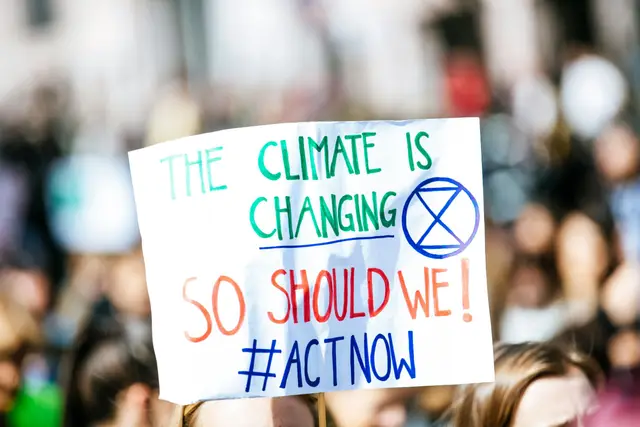
Despite the historic heatwave and wildfires the UK and the rest of Europe experienced over the summer, the climate is once again taking a backseat in politics. As the COP31 begins in Antalya this week, the British government’s decision on EVs signals a worrying shift away from climate commitments in favour of economic and political considerations.