

International Relations & Diplomacy
Dialogue today, stability tomorrow
The Working Group International Relations & Diplomacy, focusing on diplomacy and global governance, examines bilateral and multilateral relations, geopolitical shifts, and the role of international organisations. It analyses diplomatic strategies, negotiation frameworks, and the influence of soft power. Monthly briefings present academic research on strengthening diplomatic engagement, enhancing global stability, and addressing emerging foreign policy challenges.
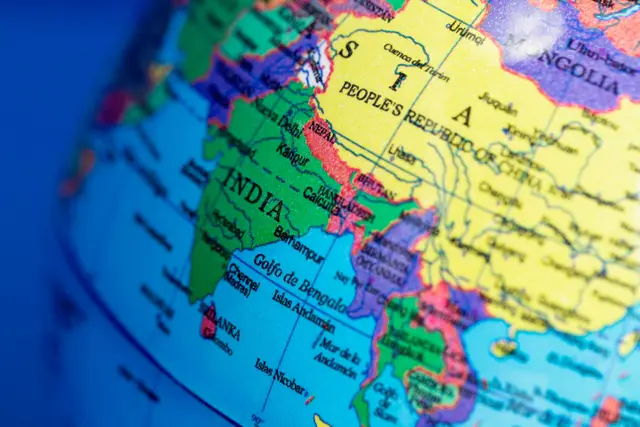
Two roads to power: comparing China’s and India’s Defence Policies
Examining how political ideology and statecraft shape military preparedness, this brief compares the defence-industrial policies of China and India in the Indo-Pacific. It analyzes how China’s state-directed Military-Civil Fusion contrasts with India’s pursuit of “strategic autonomy” and indigeno…

NATO Summit in Ankara
The 2026 NATO Summit in Ankara marked a shift toward “NATO 3.0,” focusing on increased defence spending and burden-sharing. Key outcomes included U.S. plans to lift sanctions on Türkiye, 70 billion dollars in aid for Ukraine, new multinational defence deals, and heightened tensions over Greenland.
The Evolution of Espionage: Are Embassies Still Spy Bases?
Diplomacy and espionage have always been linked, from ancient statecraft to modern hybrid warfare. While the Vienna Convention codified diplomatic protections, it also enabled intelligence gathering under cover—a reality demonstrated by Russian embassies operating as espionage hubs in Europe.
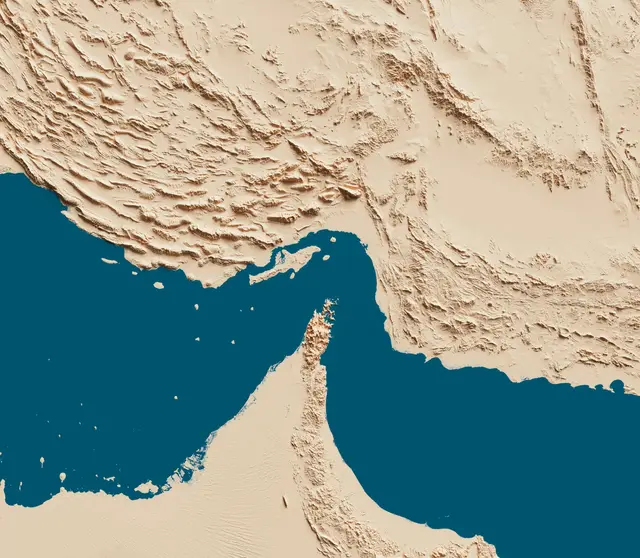
Gulf NATO: Examining the Aspiration Versus Architecture of GCC Security
While the Gulf Cooperation Council shares pressing security concerns, it lacks the institutional framework and collective defense obligations of NATO. This brief examines how regional rivalries, divergent foreign policies, and heavy reliance on external powers hinder formal integration, concludin…

China’s Reactions to US Belligerence under Trump
How has China responded to recent U.S. actions in Greenland, Venezuela, and Iran? This article argues that rather than expanding through coercion, China has sought to project itself as a defender of diplomacy and peace, despite the opportunities created by global instability.

Surviving the Spring
Show moreShow lessMain question: How did Egypt’s regime survive the 2011 uprising and re-emerge stronger? Argument: It did so through “compound authoritarianism” — the interaction of institutional entrenchment (military control), economic co-optation (rentier dynamics), and calibrated repression.…
NATO and Europe After the Ankara Summit: The Path to Strategic Responsibility
In an interview with EPIS, Gianni Pittella, following the Ankara Summit, argues that a stronger NATO requires a stronger Europe. He emphasizes that Europe must overcome market fragmentation, invest in defense technology, and assume strategic responsibility to ensure transatlantic security.

Art of Diplomacy
In an interview with EPIS, Ambassador Wolfgang Petritsch reflected on his diplomatic career, conflict negotiation, and the decline of multilateralism. He stressed engaging non-state actors for peace, the vital role of middle powers, and the need for patience, empathy, and human rights in diplomacy.

India Between Two Tables
India uses multi-alignment diplomacy to strengthen strategic autonomy, balancing partnerships such as BRICS and the Quad while maintaining foreign policy flexibility.

The ‘Emergency Government’: Kast’s First 100 Days
Kast has advanced his agenda rapidly, but early setbacks and cabinet reshuffles suggest that governing through a constant sense of emergency may be difficult to sustain.

Plaid Cymru, SNP, and the Cracking Union
The UK elections renewed debate over independence as Plaid Cymru advanced in Wales and the SNP strengthened its position in Scotland, keeping constitutional questions in focus.

Somali State Building and Sub-State Actors
This article examines how Somali leaders Ahmed Madobe and Saeed Abdullahi Deni use political competition to strengthen their influence while remaining constrained by external support and institutional limits.

Lessons from the Black Sea Forum
Interview with former German Defence Minister Annegret Kramp-Karrenbauer on Ukraine’s resilience, Europe’s responsibility, and why political will and civic engagement remain essential for lasting peace.

Dependency Theory
Main Question: Why do some countries remain economically dependent despite participating in the global economy and attracting foreign investment? Argument: Dependency Theory argues that the benefits of international economic integration are distributed unevenly, with core economies often benefiti…

Making Geopolitics Accessible
How can geopolitics remain accessible in an age of shrinking attention spans? Andreas Grassl discusses trust, short-form content, polarization, and the changing future of political communication.

The Paradox of Power
The U.S. remains unmatched in military reach, yet sustaining prolonged conflict increasingly depends on fragile supply chains, industrial capacity, and critical materials shaped by China.

The Arab Springs in Yemen : A stolen revolution
This article examines how external intervention in the Yemeni revolution contributed to one of the most severe humanitarian crises of our time. By prioritizing foreign interests over those of the local population, the Gulf Cooperation Initiative neglected the urgent needs of Yemeni society, drivi…

Fault Lines Eastward
The article argues that the Iranian War has reshaped Eurasian logistics, increasing the strategic importance of Kazakhstan and Uzbekistan while creating new partnership opportunities for Western countries.

What Post-Brexit Britain Can Learn From the Past
Britain’s strategy has long relied on alliances, balancing Europe, and deterring Russia. Today, sustaining that approach requires adapting to new global realities and rebuilding domestic strength.

Beyond the Pitch
When FIFA awarded the 2026 World Cup to a joint bid from the United States, Canada, and Mexico, the decision was widely celebrated as a testament to North American cooperation. The tournament would be the largest in football history, spanning three countries, sixteen host cities, and millions of …