Reviving an Imperialww Precedent in the Eastern Mediterranean
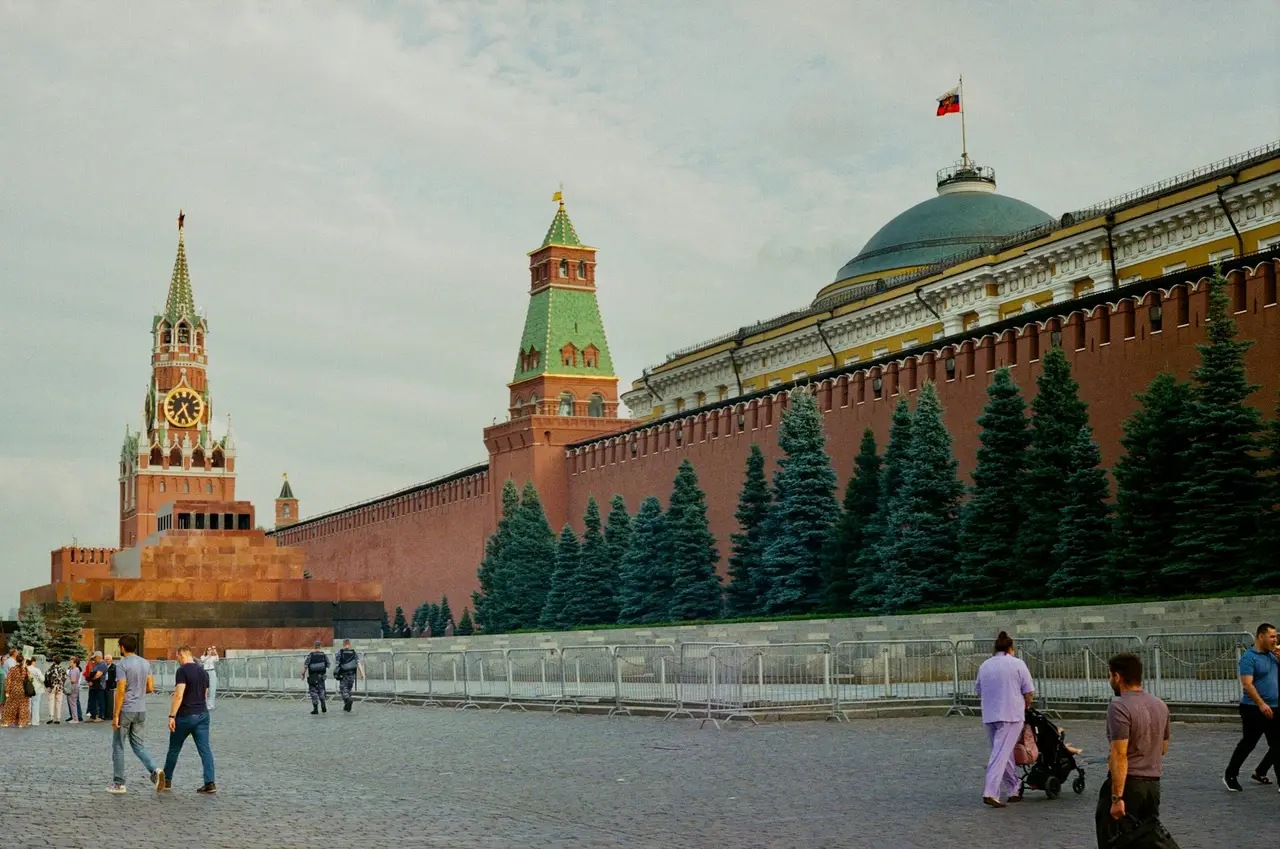
On 23 November 2026, Russian Foreign Minister Sergey Lavrov welcomed Patriarch John X of Antioch and All the East to Moscow for high-level talks on the future of Christian communities in the Middle East. While international observers typically evaluate Russia’s regional posture through its military bases in Syria, energy coordination with Gulf states, or alignment with Iran, the meeting highlights a far older and more discreet instrument of Russian statecraft: ecclesiastical diplomacy. Headquartered in Damascus with jurisdiction across Syria, Lebanon, and parts of Iraq, the Greek Orthodox Patriarchate of Antioch represents a historic pillar of Eastern Christianity. Adapting a nineteenth-century imperial precedent, the Kremlin presents itself to regional church hierarchies as the sole major power genuinely committed to the physical and cultural survival of Middle Eastern Christians amid protracted instability, using religious protection to justify its political projection into the Eastern Mediterranean.
Soft Power Gains and Structural Limits
This religious channel provides Moscow with distinct advantages while Western sanctions and the war in Ukraine constrain its conventional diplomatic reach. Externally, maintaining direct ties with the Patriarchate of Antioch allows Russia to preserve lines of communication with civil societies and political actors in Syria and Lebanon, reinforcing its image as an indispensable mediator in any post-conflict settlement. Domestically, high-profile meetings with Eastern Patriarchs bolster the Kremlin’s ideological narrative, portraying the Russian state as a defender of traditional values and persecuted believers. Nevertheless, Moscow’s ecclesiastical leverage faces clear structural limits. Stretched militarily and economically by its confrontation with the West, Russia lacks the financial capacity to fund large-scale reconstruction in war-damaged Christian communities, where Gulf states and European donors hold far greater resources. Still, as long as local churches view Western policy as overly transactional, religious diplomacy remains a low-cost, high-visibility asset.