
The extraterritorial arrest of Venezuela’s President. A war in the Middle East threatening global energy supplies. A bloody stalemate in Ukraine. Russian hybrid warfare. The possibility of a large-scale withdrawal of U.S. troops from Germany.
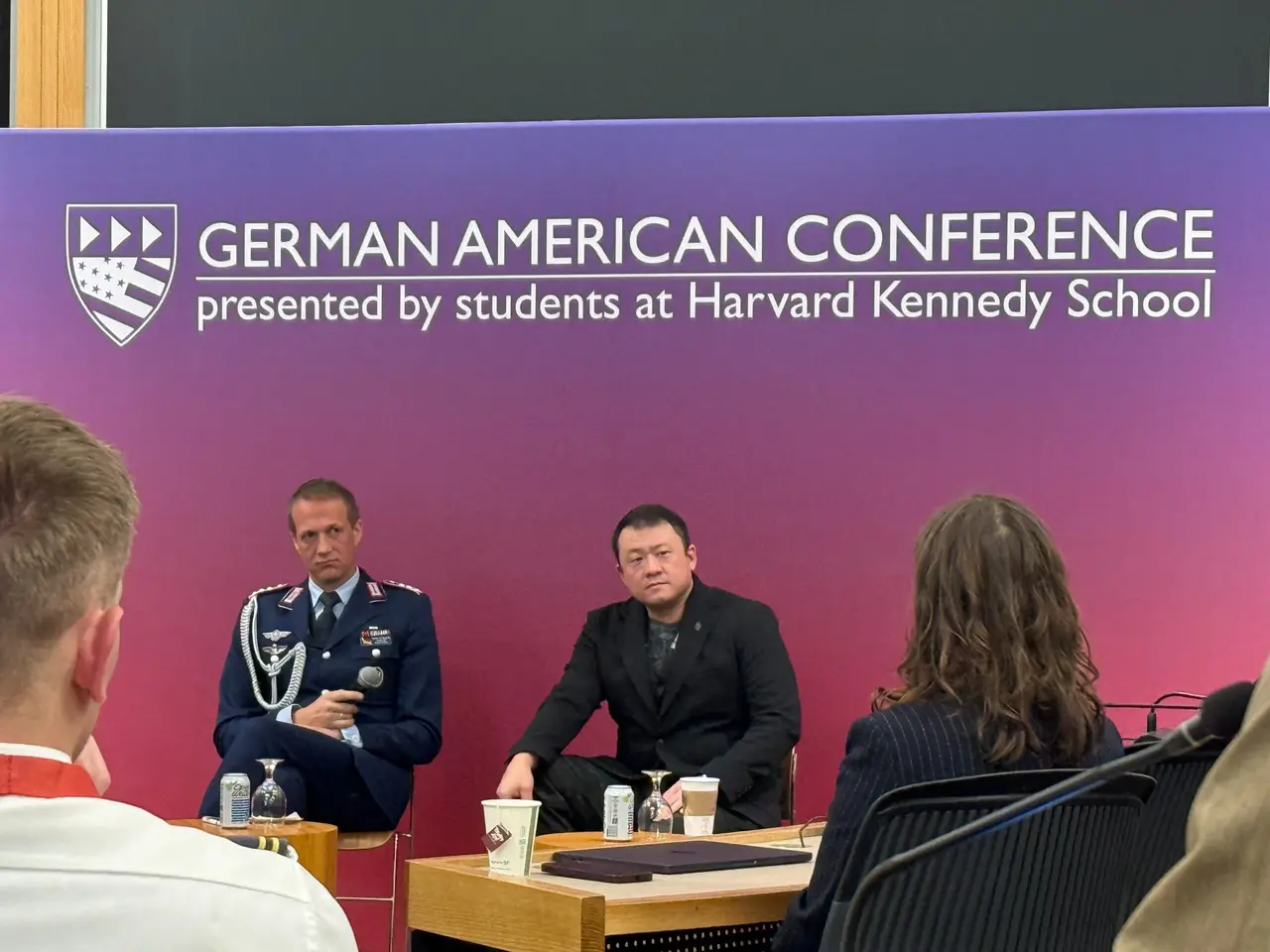
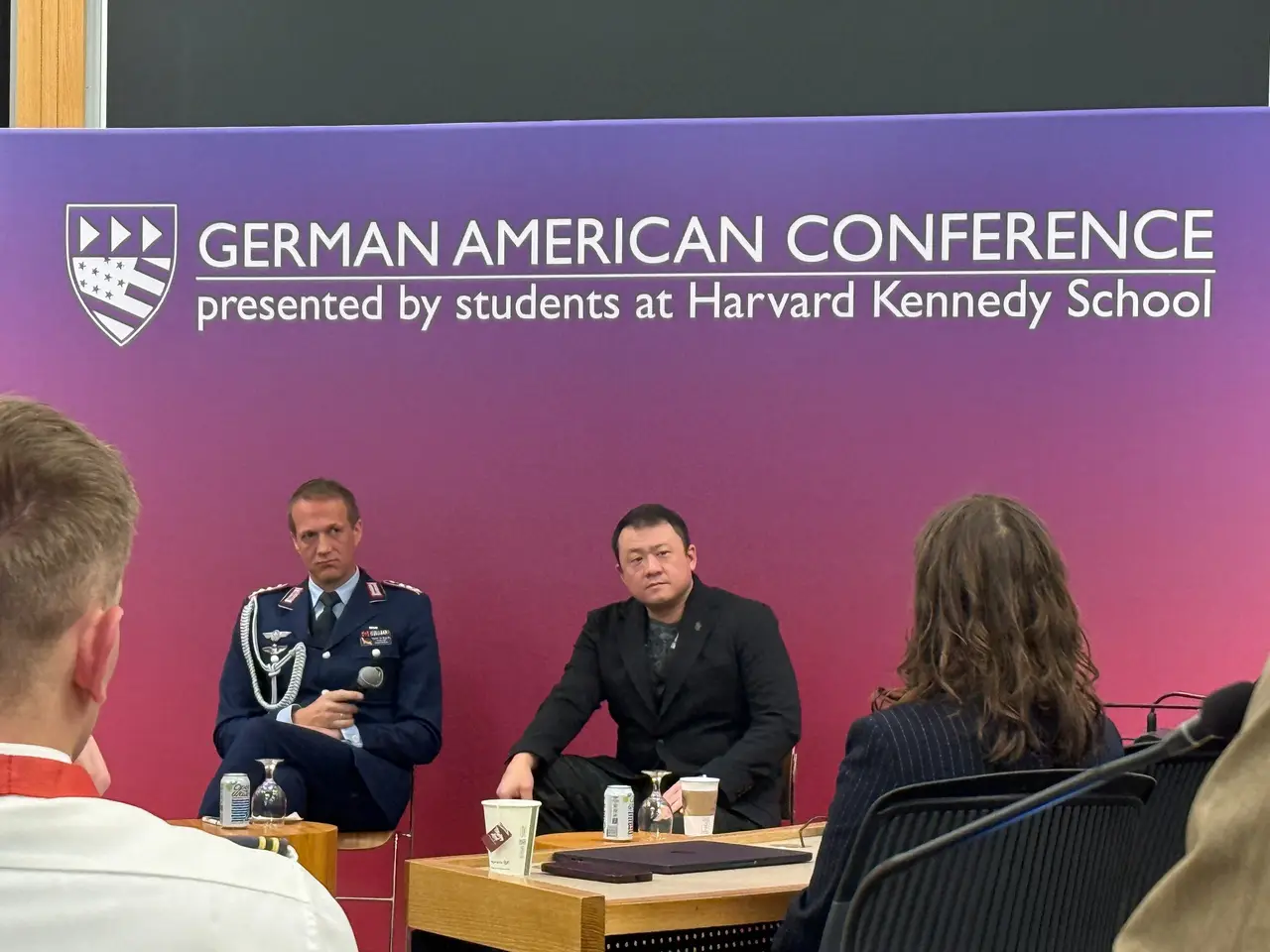
It was in this complex security environment that over a thousand participants gathered at Harvard University for the 19th annual German American Conference, a transatlantic symposium addressing the dimensions relevant to the German American relationship today. Panels, workshops, and many Kaffeepausen (coffee breaks) addressed contemporary issues with European and American sustainability, society, business, technology, and politics.
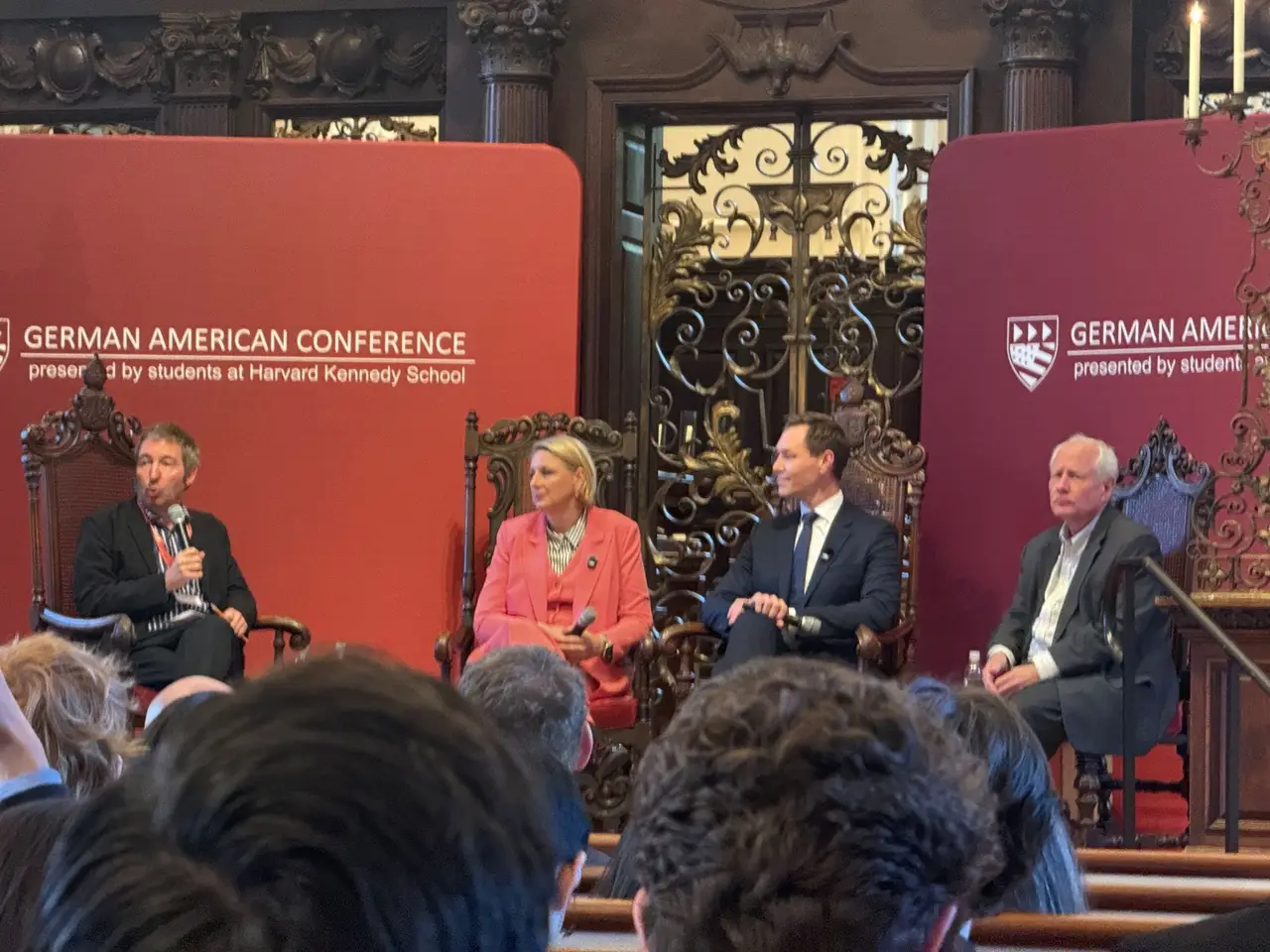
If there was a single issue that predominated at the conference, it was the ongoing Ukraine War. Despite the seemingly frozen battlefront in Ukraine, the constant process of innovation, adaptation, and counter-adaptation has transformed the way the war is waged on the ground—and in the sky. Russia’s clandestine sabotage operations have damaged sites across Europe, economic consequences are felt far beyond the Black Sea, and cognitive warfare is continually reshaping politics (the continuation of war by other means) worldwide. Attacks on Russian oil infrastructure are precipitating a fuel crisis across Russia while oil and gas prices are soaring. Who is winning?
The mass production of drones has stretched the battlefront’s strategic depth to over 250 kilometers, with the result that civilian casualties are higher than in 2025. “Today, 80% of casualties caused in Ukraine are done by drones. The other 20% are where battles are won or lost,” said one expert. Many Russian conscripts are killed before they have ever seen a Ukrainian soldier.
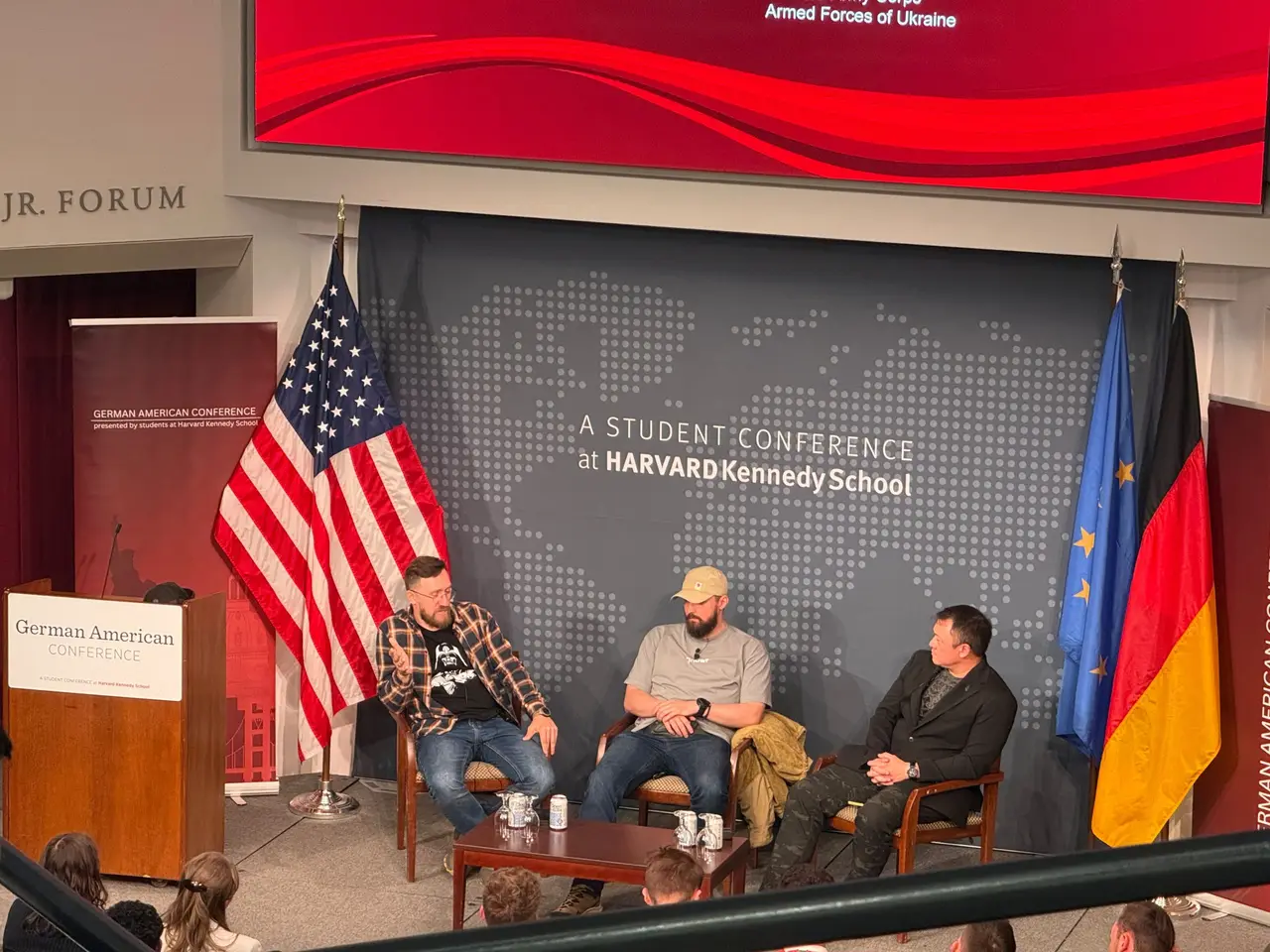
One operator in Ukraine emphasized that “drones aren’t replacing fighters on the battlefield; they are extending fighters and their capabilities.” Infantry cannot fully replace drones, but the burden can be reduced on infantry. A standout speaker in the conference was John “Jackie” Roberts, a veteran of the U.S. Army who later took up arms to defend Ukraine.
A primer was provided on the phases of modern drone warfare: miniaturizing ISR through drones (plus dropping grenades, directing artillery fires, etc.); suicide anti-tank drones and precision drone fires; full battlefield implementation of drone warfare, with counter UAS, counter-counter UAS, and fiber optics; and AI terminal guidance (drones fighting drones in the sky—increasingly common in future war). The three so-called “pillars of modern drone warfare” are mass, cost curve, and data. Ukraine’s challenge today is developing an effective new technology and mass producing it cheaply and teaching soldiers quickly to deploy it at scale.
If the depth of battle is 250 km in Ukraine, it is even longer in the (dis)information war. There, the Schwerpunkt (centre of mass) is too elusive to be overcome in one set piece battle. Attrition takes many forms. This is the first war where most of its fighters could livestream a battle to the global community—but the casualties remain local. One participant highlighted some major factors in the war today: the acceptable threshold of suffering, social media propaganda, and the scalability of (increasingly obsolete) tech production.
Among participants and experts, there was little optimism that the war might conclude soon. Nevertheless, one soldier advised the crowd to “fight well, but fight fairly.” He said that negotiations must continue, but preparations are necessary when an aggressor is determined. “There are several prospects for the future: good, bad, and ugly,” another fighter cautioned. “The good one is Ukraine wins, the bad one is you [NATO members] fight, the worst has fallout.”
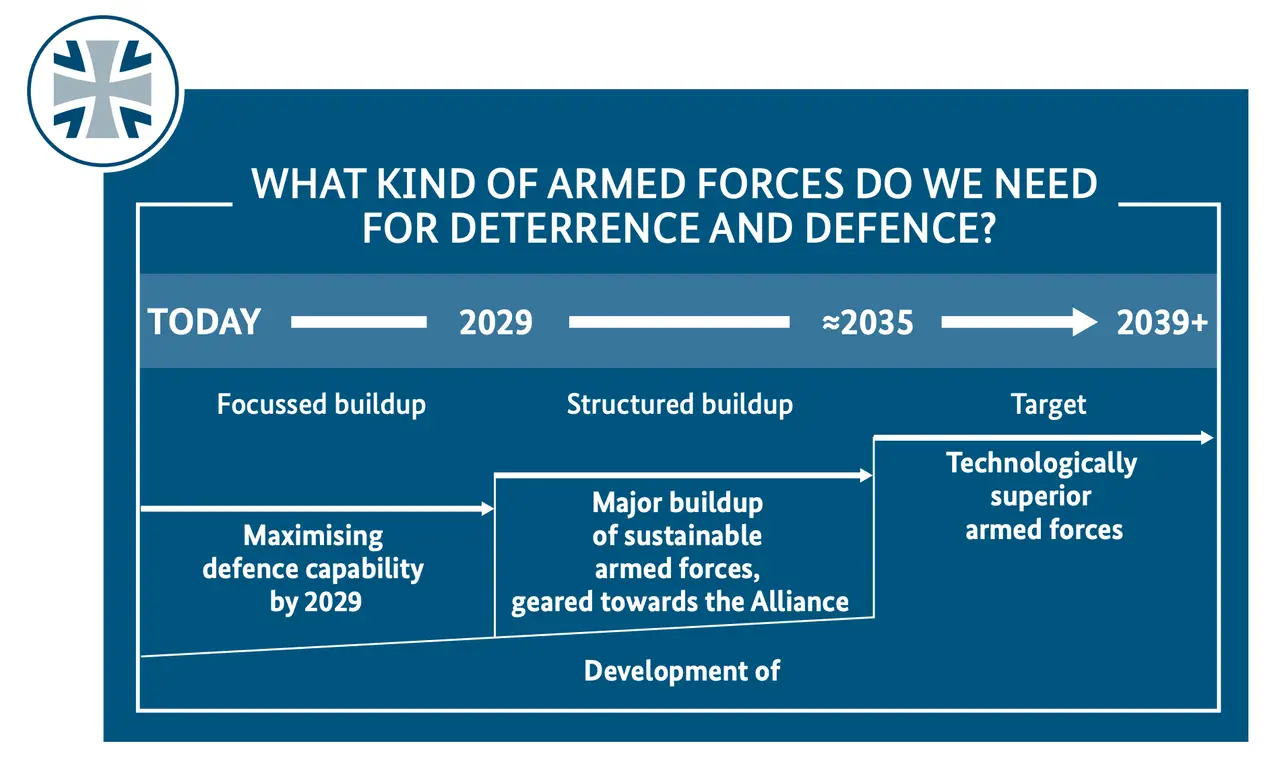
With this in mind, Germany has begun a slow process to scale up its military and assume leadership on the continent. Germany even published its first public national military strategy earlier this year. Germany is striving to build its active-duty military size to 260,000 (from ~185,000 currently), alongside a combat-ready reserve force of 200,000—all while dealing with demographic and economic challenges. Many think that the 2035 target year for this recruitment ambition is too distant.
Participants discussed whether the rest of NATO was ready to let Germany take a leadership role, given the country’s legacy on the continent. I believe such anxieties will vanish quickly when tested; Europe is in a dramatically different environment in 2026, and we must deal with nations and people as they are. Germany’s eminently qualified former chief of defense, Carsten Breuer, was elected as NATO’s military committee chair in September; he will take office in July 2027.
Today, hundreds of billions of Euros are invested in the Bundeswehr, a figure that was inconceivable just five years ago. One official proclaimed that “Germany used to have lots of time and no money for Ukraine. Now Germany has no time but lots of money.” The U.S. administration is still providing money, military aid, and intelligence to Ukraine, but with more conditions and complications. The Iran War, appearing unlikely to end soon, has complicated the situation.
One centrepiece of the conference was a large wargaming workshop that lasted nearly three hours. The simulation challenged about fifty participants (divided into nine different groups, each representing states or defense corporations) to secure their interests in a future where conservative politics were ascendant across the continent—hardly an unimaginable scenario. Although the exercise stimulated some original thinking under pressure, many participants did not comprehend the game’s convoluted instructions, nor was there sufficient time to explore the implications. Most of the German military personnel also self-segregated into their own teams, preventing the kind of cross-cultural learning that drives innovation. For what it’s worth, the winners of the simulation were Rheinmetall, Sweden, and (my team) Russia. I think we’re all hoping for a more decisive victory.