

International Relations & Diplomacy
Covers multilateral diplomacy, treaty frameworks, and shifting power dynamics.
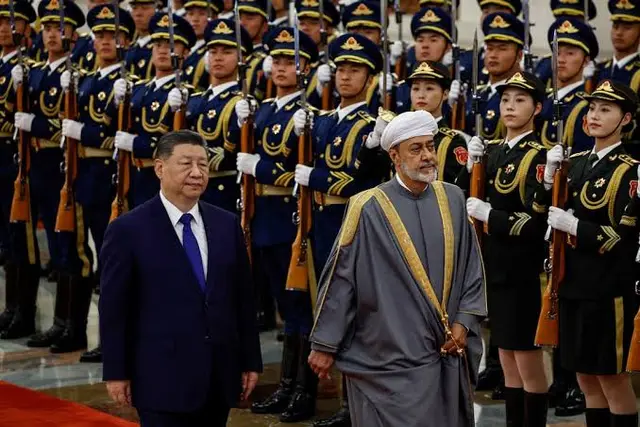
Beijing Seeks Greater Influence in the Gulf Region
China’s growing engagement in the Middle East reflects its economic and geopolitical ambitions, as Beijing seeks to expand its influence amid regional instability and shifting US involvement.

UK government considering a formal apology for role in trans-Atlantic slave trade.
The prime minister’s decision to consider ‘slavery apology’ marks a shift in British policy, although it has also led to debate both within the UK and abroad over potential reparations.
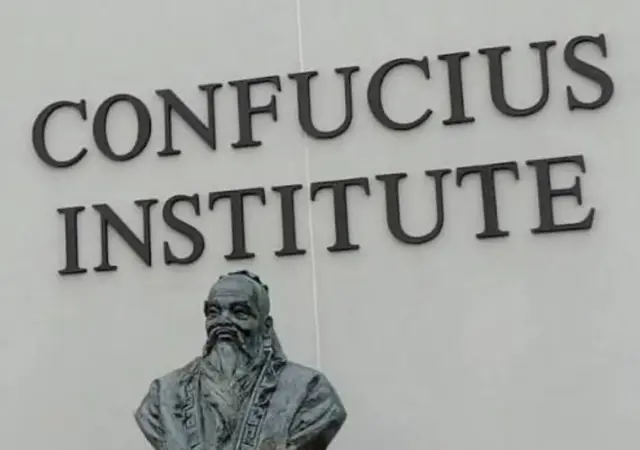
Beijing pushes back on US criticism of Confucius Institute
Last week, the US Defence Secretary Pete Hegseth had claimed that the Pentagon categorised the nationwide Confucius Institute as institutions that threaten Washington’s national security, calling them “propaganda cells” for China.
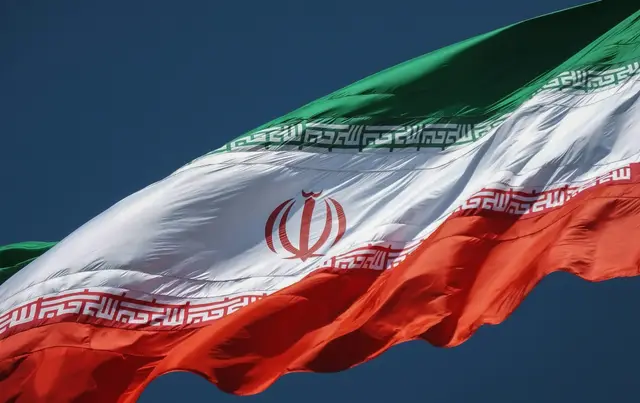
The Price of Proximity? Consensus Developing at Iran’s Door
Qatar, long Iran’s quiet channel to Washington, is now setting conditions. As the region’s middle powers converge, Tehran’s Hormuz leverage is becoming a diplomatic liability.
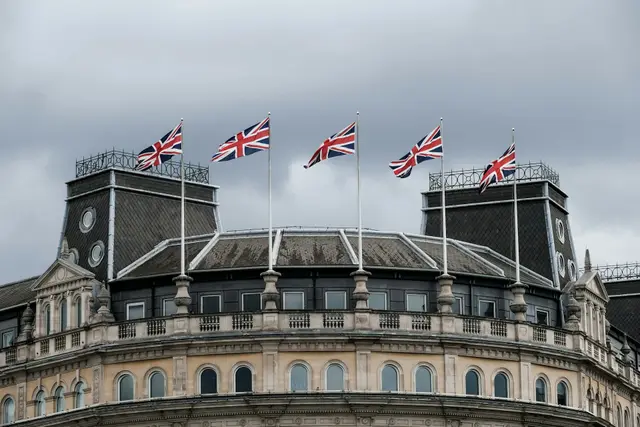
No. 10 backtracks on the EU free movement referendum
As the United Kingdom government reevaluates years of their post-Brexit policy earlier this week, the UK prime minister states that he is open for debate regarding countries’ European prospects.
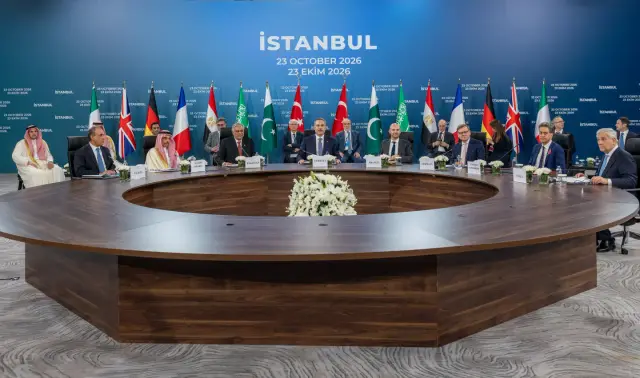
A New Security Format? E3 + Italy and R4 Meet for the First Time in Istanbul
At a first-of-its-kind R4–E3 meeting in Istanbul, Wadephul prioritises shipping and food security. The format could give Europe a foothold in the emerging regional order, if it survives disagreements over Israel.
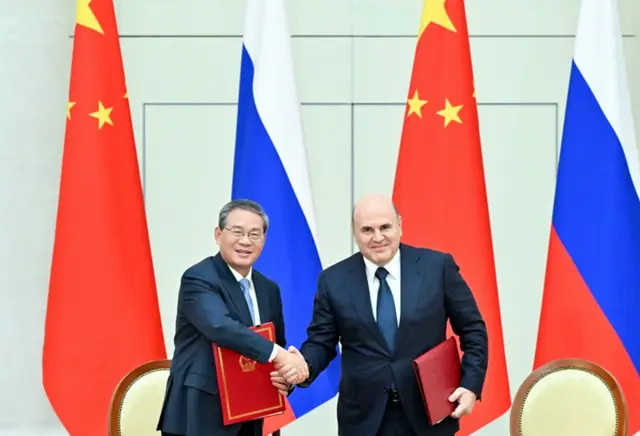
Chinese Premier and Russian Prime Minister Reaffirm Close Partnership
Herein both countries have committed to collaborate in the United Nations Security Council, bilateral security commitments and a non-interference in internal affairs.
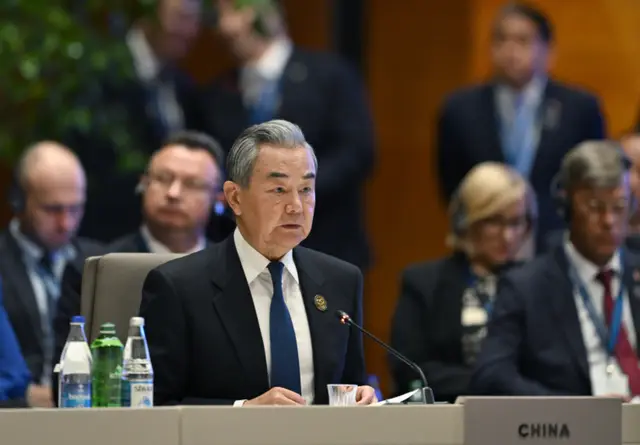
Chinese Foreign Minister Completes Eurasia Trip Surrounding CICA 2026 Summit
Following a week’s travel, Foreign Minister of the PRC Wang Yi completed his Eurasia tour in Sofia, Bulgaria, on Monday. His key takeaway has been the importance of cooperation, friendship, partnership and trust between members of the region.
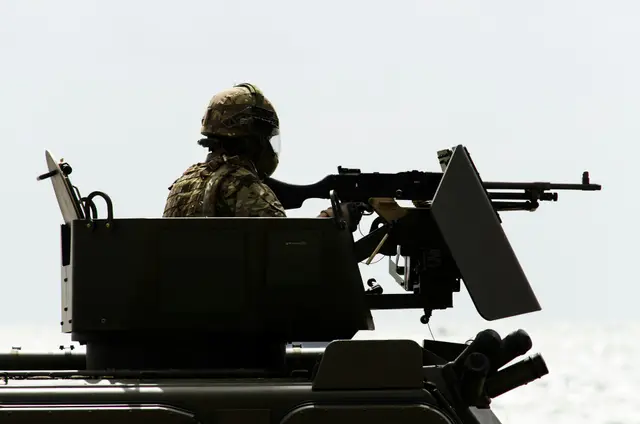
No 10 rebukes Hegseth over claims most non-US NATO soldiers did not fight in Afghanistan.
In a rare pushback against the US administration, No 10 rejected Pete Hegseth’s statement that NATO allies did not contribute to the war in Afghanistan, which began in 2001. This marks a further deterioration of US-UK relations.
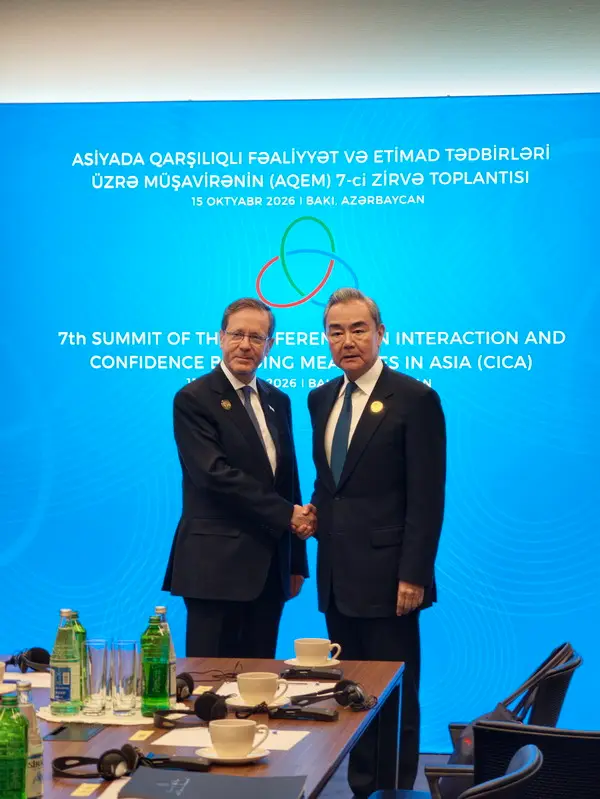
China Criticises Israeli Settlement Policy at CICA Meeting
China’s Foreign Minister Wang Yi urges Israel to reverse West Bank settlements and allow humanitarian aid into Gaza. Beijing’s position shows its diplomatic ambition in the Middle East and challenges US leadership.
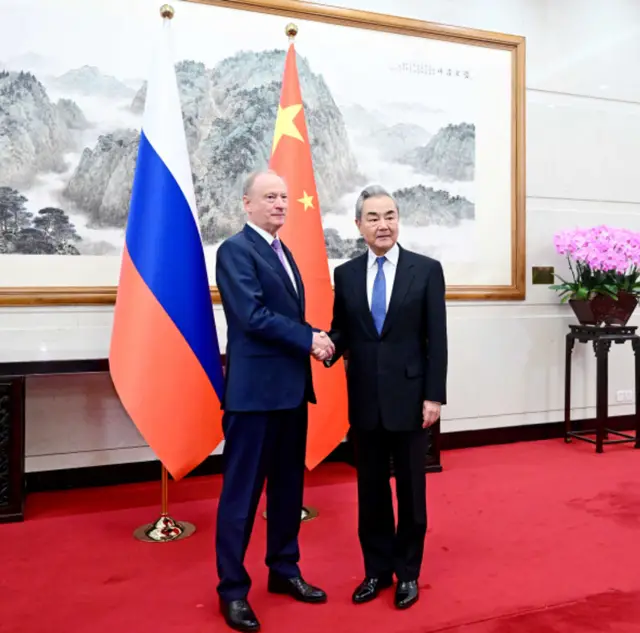
China and Russia aim to strengthen Cooperative Relations in the Arctic
Wang Yi, Foreign Minister of the PRC, has met with Russian Presidential Aide and Chairman of the Maritime Board Nikolai Patrushev in Beijing on Monday 12th of October. This symbol of Sino-Russian cooperation comes at a time in which the Artic is undergoing a profound change.
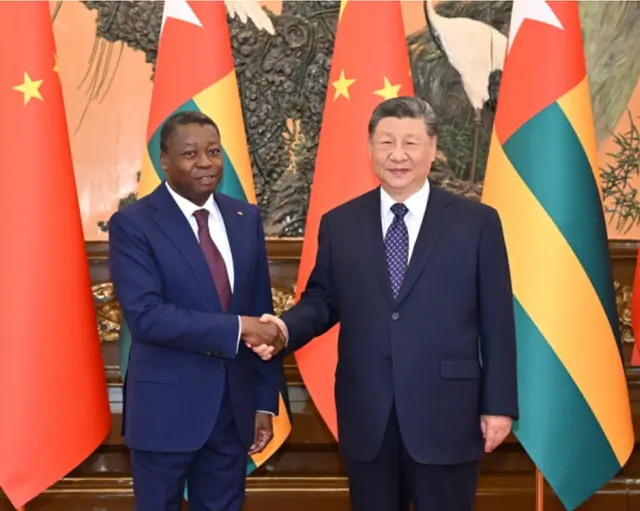
China and Togo Strengthen Diplomatic Ties as Xi Jinping meets with Togo’s Head of Government
Faure Gnassingbé, President of Togo’s Council of Ministers, has met with Xi Jinping in Beijing to strengthen the diplomatic relationship between the two countries.
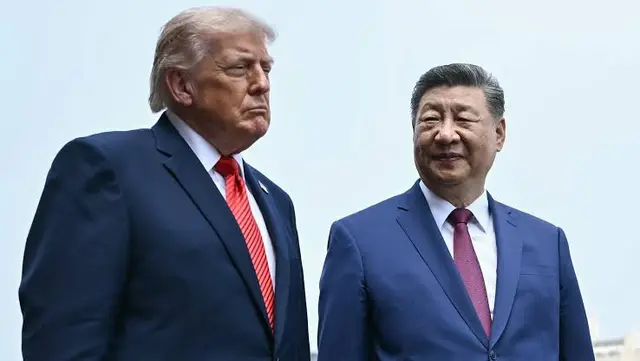
US Opposes Chinese Sanctions on Ministers from Belize and Paraguay
China has imposed sanctions on officials from Belize and Paraguay over their support for Taiwan, escalating pressure on two countries that maintain diplomatic relations with Taipei. The United States condemned the move, warning against coercion and aggression.
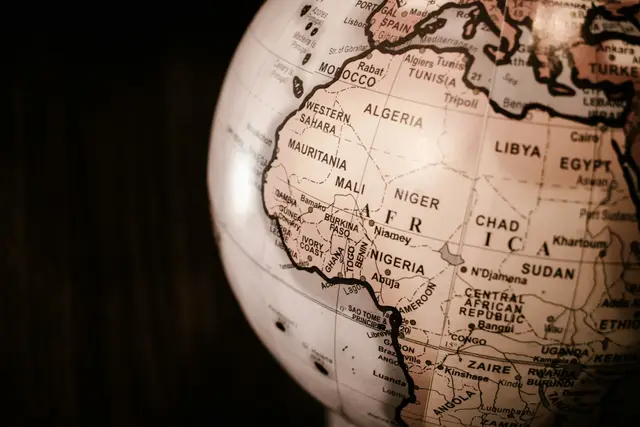
Africa Is No Longer a Chessboard: From Pawn to Player
For years, Africa has been cast as a chessboard, a passive surface on which global powers move their pieces while African states watch from the sidelines. That image no longer holds. The African Union now sits at the G20 table, BRICS+ has expanded to include African states of real weight, and the…
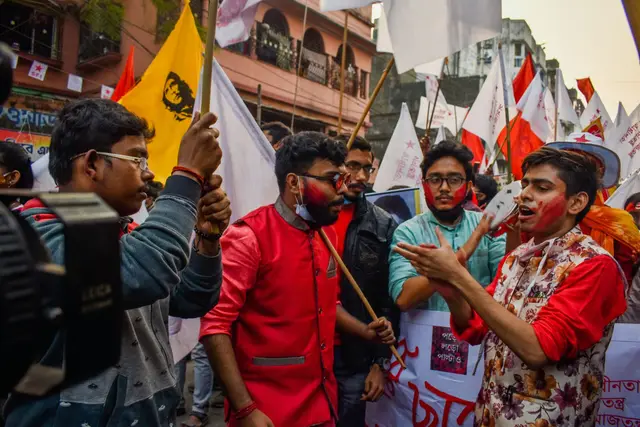
Gen Z Revolts in South Asia: How Social Media Became A Praxis for Political Mobilisation
South Asian Gen Z protests demonstrate how social media can shape collective political identities, mobilise youth, and facilitate cross-border protest diffusion. Through hashtags, citizen journalism, and decentralised networks, digital platforms help challenge established political structures. Ho…
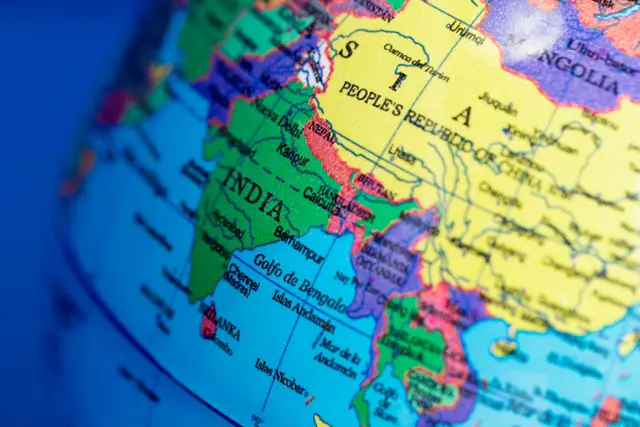
Two roads to power: comparing China’s and India’s Defence Policies
Examining how political ideology and statecraft shape military preparedness, this brief compares the defence-industrial policies of China and India in the Indo-Pacific. It analyzes how China’s state-directed Military-Civil Fusion contrasts with India’s pursuit of “strategic autonomy” and indigeno…

NATO Summit in Ankara
The 2026 NATO Summit in Ankara marked a shift toward “NATO 3.0,” focusing on increased defence spending and burden-sharing. Key outcomes included U.S. plans to lift sanctions on Türkiye, 70 billion dollars in aid for Ukraine, new multinational defence deals, and heightened tensions over Greenland.
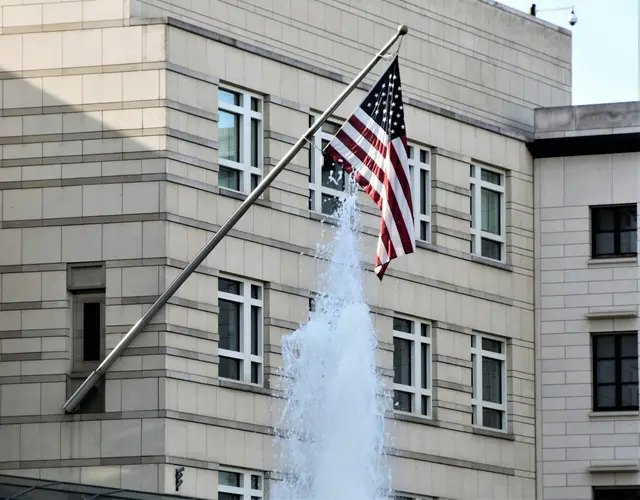
The Evolution of Espionage: Are Embassies Still Spy Bases?
Diplomacy and espionage have always been linked, from ancient statecraft to modern hybrid warfare. While the Vienna Convention codified diplomatic protections, it also enabled intelligence gathering under cover—a reality demonstrated by Russian embassies operating as espionage hubs in Europe.
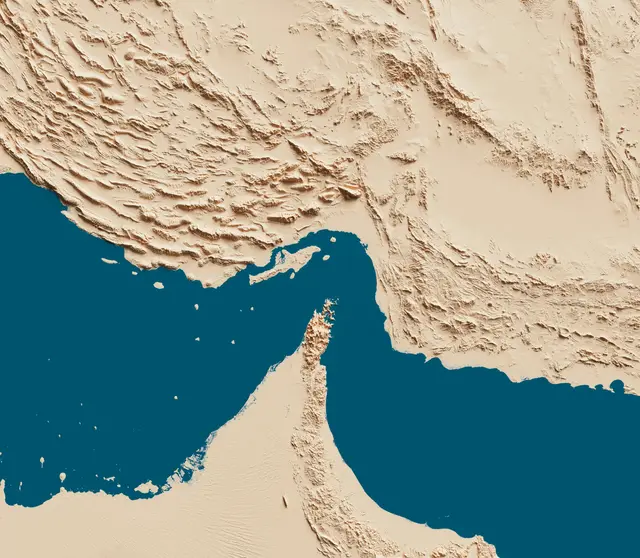
Gulf NATO: Examining the Aspiration Versus Architecture of GCC Security
While the Gulf Cooperation Council shares pressing security concerns, it lacks the institutional framework and collective defense obligations of NATO. This brief examines how regional rivalries, divergent foreign policies, and heavy reliance on external powers hinder formal integration, concludin…

China’s Reactions to US Belligerence under Trump
How has China responded to recent U.S. actions in Greenland, Venezuela, and Iran? This article argues that rather than expanding through coercion, China has sought to project itself as a defender of diplomacy and peace, despite the opportunities created by global instability.