

The People’s Republic of China sanctioned officials in Paraguay and Belize on Monday over their diplomatic ties with Taiwan.
The two ministers, Gustavo Villate, Paraguay’s Minister of Information and Communication Technologies, and Francis Fonseca, Belize’s Minister of Foreign Affairs and Foreign Trade, as well as Minister of Education, Culture, Science and Technology, had their assets in China frozen. They were also banned from entering Hong Kong and Macau. The sanctions prohibit Chinese organisations and individuals from engaging in transactions and cooperation with the ministers.
The US admin opposes what it calls “coercion” and “aggression” by China against countries for exercising their sovereign rights, State Department spokesperson Tommy Pigott said in a statement.
Pigott cited previous comments by Secretary of State Marco Rubio, who said: “We will not allow our region to become a base of operation for adversaries, competitors, and rivals to threaten our security or undermine our partnerships”.
“We stand with our friends and partners, including Taiwan, to advance our shared prosperity, security, and values,” Pigott added.
Strategy of China
China has previously sanctioned foreign politicians who support Taiwan. This case, however, appears to be less common, as the sanctions target serving ministers of two countries that maintain diplomatic relations with Taiwan.
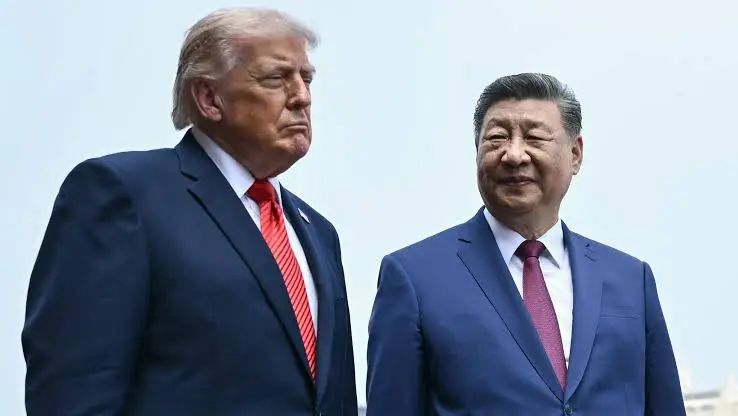
The effectiveness of these sanctions against Taiwan is likely to be largely symbolic. I do not expect them to have a measurable economic impact on Taiwan, but they may have political significance, especially following the recent summit between US President Donald J. Trump and Xi Jinping, during which continued US support for Taiwan was questioned. A $14 billion arms deal with Taiwan has since remained in limbo, although the US attributed the delay to the conflict with Iran. China may have used these sanctions to gauge the reactions of the US administration.