

International Economic Relations
Triannual analysis of trade policy, sanctions regimes, supply chain geopolitics, and the intersection of economics with international relations.


Latest Articles of This Group

Energy for Peace: Lessons from the past in the South Caucasus
Economic interdependence can deter conflict, and energy infrastructure embodies this logic. The proposed TRIPP corridor could tie Armenia and Azerbaijan through shared transit and gas networks, raising the cost of renewed war. Yet history, from the Coal and Steel Community to Russian-European gas…
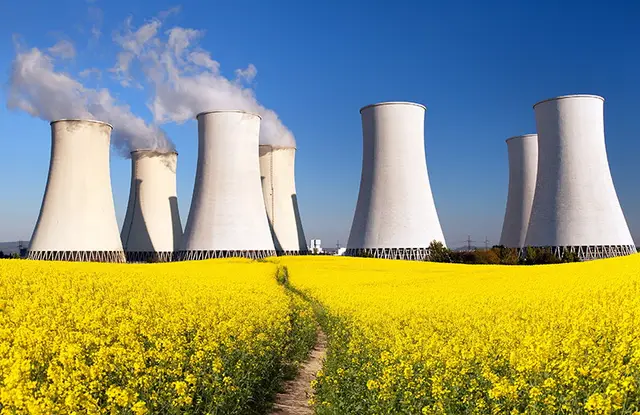
Why nuclear power is returning as a strategic alternative
Nuclear power is returning as a complement to renewables and an alternative to fossil-fuel back-up. Whether it gains ground will depend largely on financing costs, construction performance and governments’ ability to manage risk. Its revival is also geopolitical because reactor suppliers and fuel…
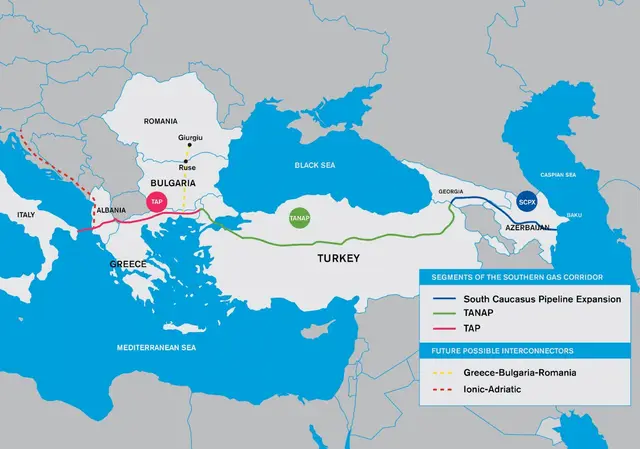
From Dependence to Diversification? The EU’s Energy Turn towards the Southern Gas Corridor
The Southern Gas Corridor has helped reduce the EU’s reliance on Russian gas, but its limited capacity and dependence on transit countries constrain its impact. Azerbaijan has gained geopolitical leverage through energy diplomacy, while the EU faces a difficult balancing act between securing its …
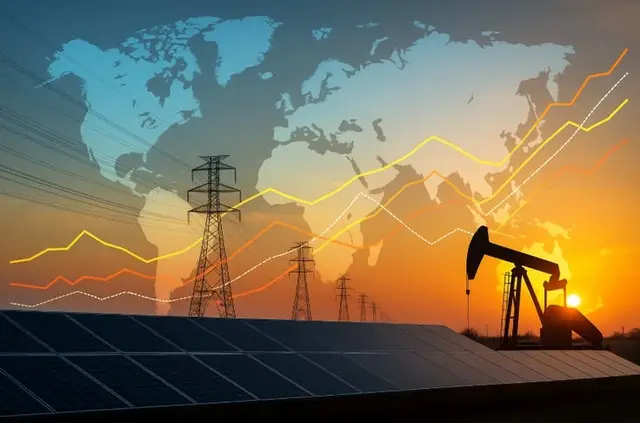
Gulf States’ Economic and Geopolitical Adaptation to the Energy Transition
As global demand shifts towards cleaner energy, Saudi Arabia and the UAE are moving beyond the traditional rentier model. Both countries are on the process of diversifying their economies, investing in sectors such as technology, nuclear energy, renewables and tourism. The article examines this s…
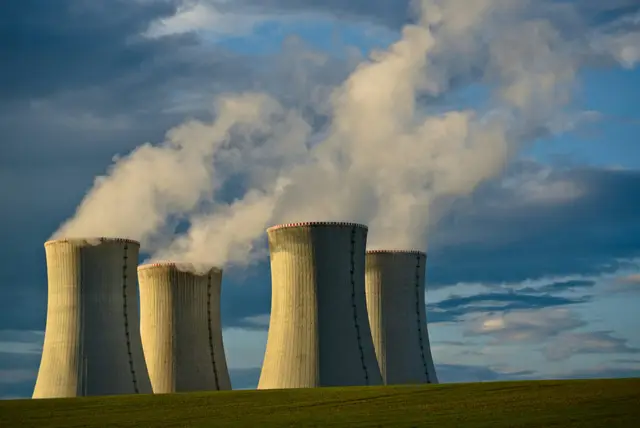
Why is cross-border participation in EU capacity mechanisms still limited?
This article asks the following research question: what factors continue to limit cross-border participation in EU capacity mechanisms despite the existence of common European regulations? Cross-border participation here means direct participation under Article 26, in which a resource located in …
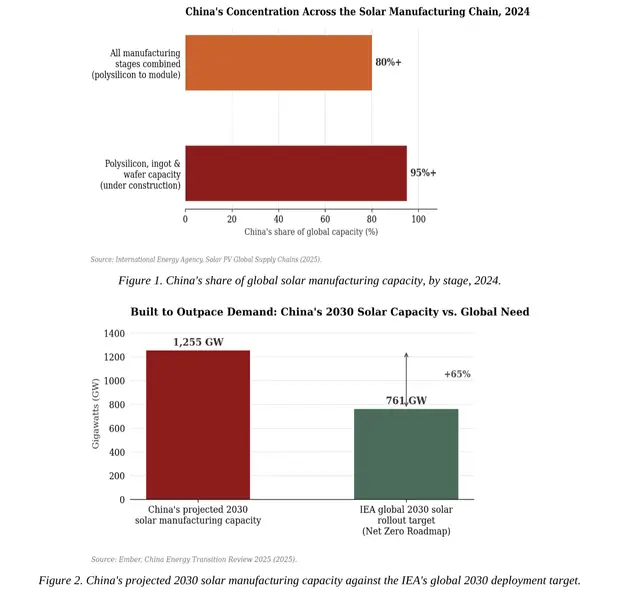
Green Dependency: China’s Renewable Monopoly and EU Trade Policy
There’s a version of the European Union’s solar saga that’s pretty easy to tell. In this story, Chinese manufacturers swoop in with panels priced so low that they seem almost unfair, leaving European producers struggling to keep up.
The Mutual Industrial Resilience Program
How can the EU overcome structural vulnerabilities while reforming its slow, politically driven enlargement? The EU must deploy the €30B Industrial Resilience Facility and an EIB-backed 70% political risk insurance mechanism to embed candidates into European energy, technology, and manufacturing …
The Future of the Petrodollar
Main question: How might the energy transition affect the role and underlying strengths of the USD as the world’s reserve currency. Argument: one of the main pillars of USD dominance in global reserves is the ‘petrodollar’ system in which oil sales are denominated in dollars, requiring central ba…
The Weak Yen Trap
Q: Does Japan’s dollar exposure prevent the BoJ from raising rates? Arg: Low rates fuel carry trades that weaken the yen, while $1T+ in U.S. Treasuries ties Japan to U.S. monetary cycles — a self-reinforcing trap. Concl: Gradual normalisation is the best exit, but political pressures keep the sta…

The Euro as an international currency
– Should the ECB push the Euro internationally to incentivise smaller economies to take the Euro on as their anchor currency? – The general trend point towards a de-risking internationally with countries increasingly preferring baskets over a single currency, and the most attractive policy remain…










Other Publications Regarding This Topic

The New Deal Ahead but at what cost? The EU-UK Security and Energy alliance
1. Regarding the EU re-entering the electricity market with the crucial aim in stabilizing energy prices, the UK currently faces an obstacle in striking a deal due to the EU’s insistence in Britain’s participation in cohesion funds. 2. Progress in youth mobility scheme might be deferred due to in…
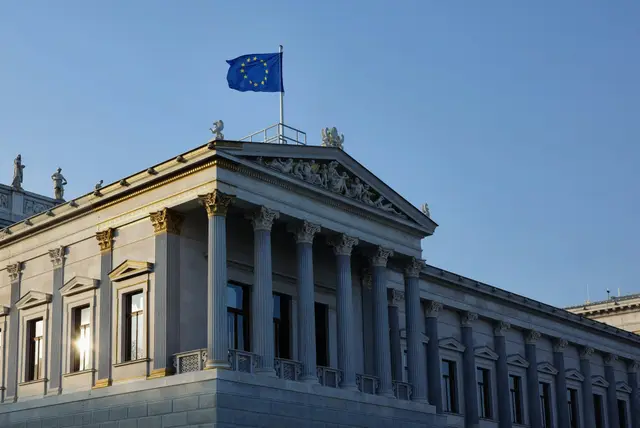
The November 20 UK-EU Summit: Navigating ‘Made in Europe’ Barriers
Without specific waivers for UK defense contractors, European strategic autonomy risks fragmenting established cross-Channel supply chains.
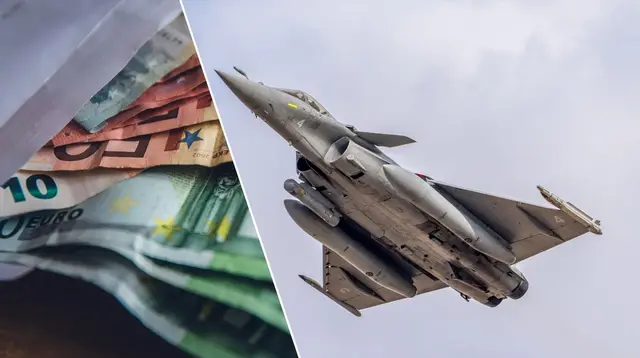
Billions for Defense, Strikes at Home: France’s Budget Dilemma
In late October, France was paying more to borrow than Greece and Italy. Now, as unions demand higher wages and more investment in public services, it is adding €36 billion to its defense budget. How long can France keep paying for both?

Beyond Aid: Could Ukraine Be Preparing France for War?
The scheme combines €150 million in EU guarantees and €13 million in grants to mobilize over €480 million in Bpifrance financing and establish 30 partnerships with Ukrainian defense startups, helping French firms enter Ukraine and access combat-tested innovations amid Europe’s preparations for po…

UK lacks a coherent China policy, new report finds
A new report has found the British government has failed to produce a consistent approach vis-à-vis China. Last minute decision making has created uncertainty for businesses and has undermined national security.

Global Gateway: amidst geoeconomic competition and development partnerships
From the European perspective, the Global Gateway provides an opportunity to diversify economic relationships, strengthen supply-chain diversification and resilience, and consolidate long-term international partnerships. At the same time, for partner countries, improved transport, energy and digi…

Fragmentation of the Semiconductor Industry and National Sovereignty- Are Chips the new Oil?
When regional industry sustenance arising from forces of national security, clashes with global supply chains, it triggers a chain reaction over a global scale which can impact how firms interact and develop. Recent events following the semiconductor industry is an excellent medium to shed light …
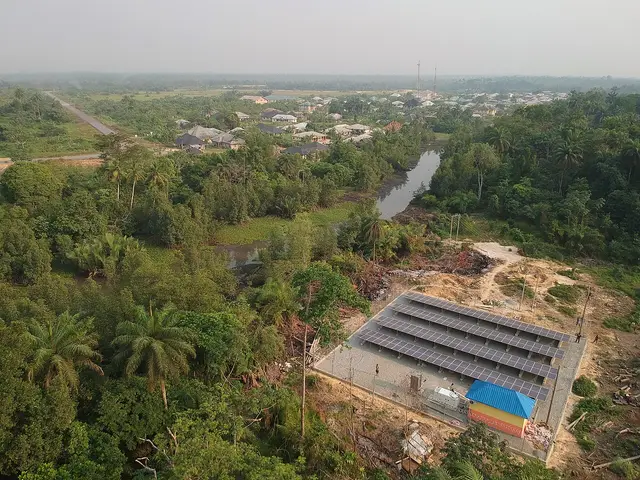
Rents at the Top, Costs at the Bottom: Why Africa’s Villages Must Own Their Power
African power systems guarantee profits at the top and push costs onto villages at the bottom. This brief shows how three connection terms decide who keeps the value of local power, and why community-owned mini-grids need fairer rules.