
Qaani’s Jurf al-Sakhar deal Means Tehran concedes pipelines, but keeps the ground
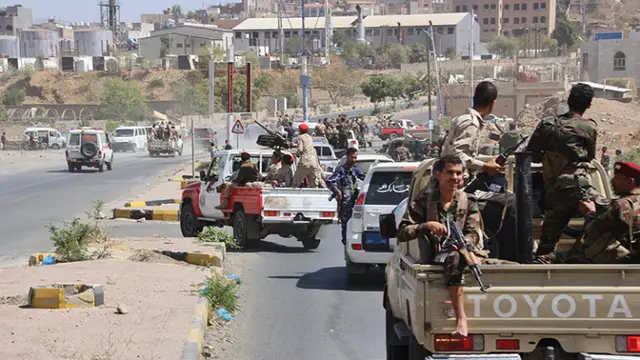
Iraqi security forces began entering Jurf al-Sakhar, Kataib Hezbollah’s (KH) stronghold south-west of Baghdad, on 20 November under a compromise brokered after Quds Force commander Esmail Qaani flew to Baghdad. Prime Minister Ali al-Zaidi had set a Friday deadline for KH to hand over the district after a government probe accused the group of running an oil-smuggling network from local pipelines, an allegation KH denies. The deployment combines the army, federal and energy police, and two Popular Mobilisation Forces (PMF) units.
Qaani intervened to manage a regional precedent, not just rescue a militia. Had a US-backed Iraqi government forcibly cleared Jurf, it would have demonstrated that a state can unilaterally dismantle a “resistance” stronghold, a dangerous template for Lebanon, where Hezbollah faces mounting pressure to disarm. By stepping in to broker the handover, Tehran converted unilateral state enforcement into an Iranian-mediated settlement. Al-Zaidi gets control of the district, but only through Tehran’s door, reinforcing the rule that Baghdad’s authority over armed factions is negotiated with Iran rather than exercised outright.
The terms also indicate that Tehran surrendered a compromised asset to preserve a strategic one. Exposed by leaked satellite imagery and targeted by US sanctions, the Jurf smuggling operation had become a liability whose defence outweighed its revenue. Territorial depth matters far more: closed to state institutions and displaced residents for over a decade, Jurf remains a vital buffer south-west of Baghdad. Because incoming PMF brigades are rotating alongside existing forces, with KH fighters still manning checkpoints- the handover risks being largely cosmetic.
The decisive test is access: whether state investigators, energy police and displaced residents can enter freely. Without it, Tehran has merely traded a burned revenue stream for continued control of the ground.