
Squeezing Iran’s northern trade may slow its military rebuild, but push Tehran closer to Moscow
On 7 November, US Central Command (CENTCOM) announced Task Force Iron Gate, a roughly 20-person team in Florida tasked with disrupting the flow of advanced weapons, sanctioned material and illicit trade via Iran’s land borders and the Caspian Sea, complementing the US naval blockade of the Strait of Hormuz. CENTCOM did not say how it would block shipments or whether it would coordinate with Iran’s neighbours. The IRGC dismissed the plan as “wordplay”, and former vice president Mehrdad Bazrpash argued that neighbours depend more on Iranian transit than Iran depends on them.
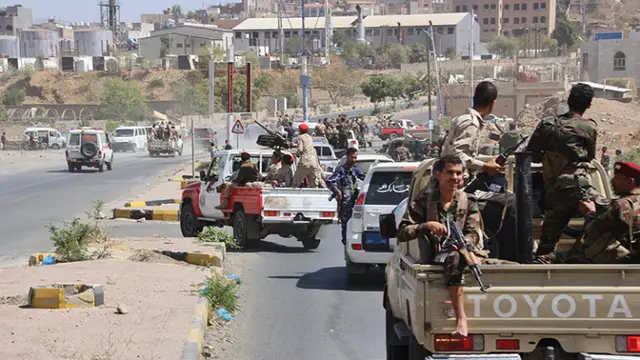
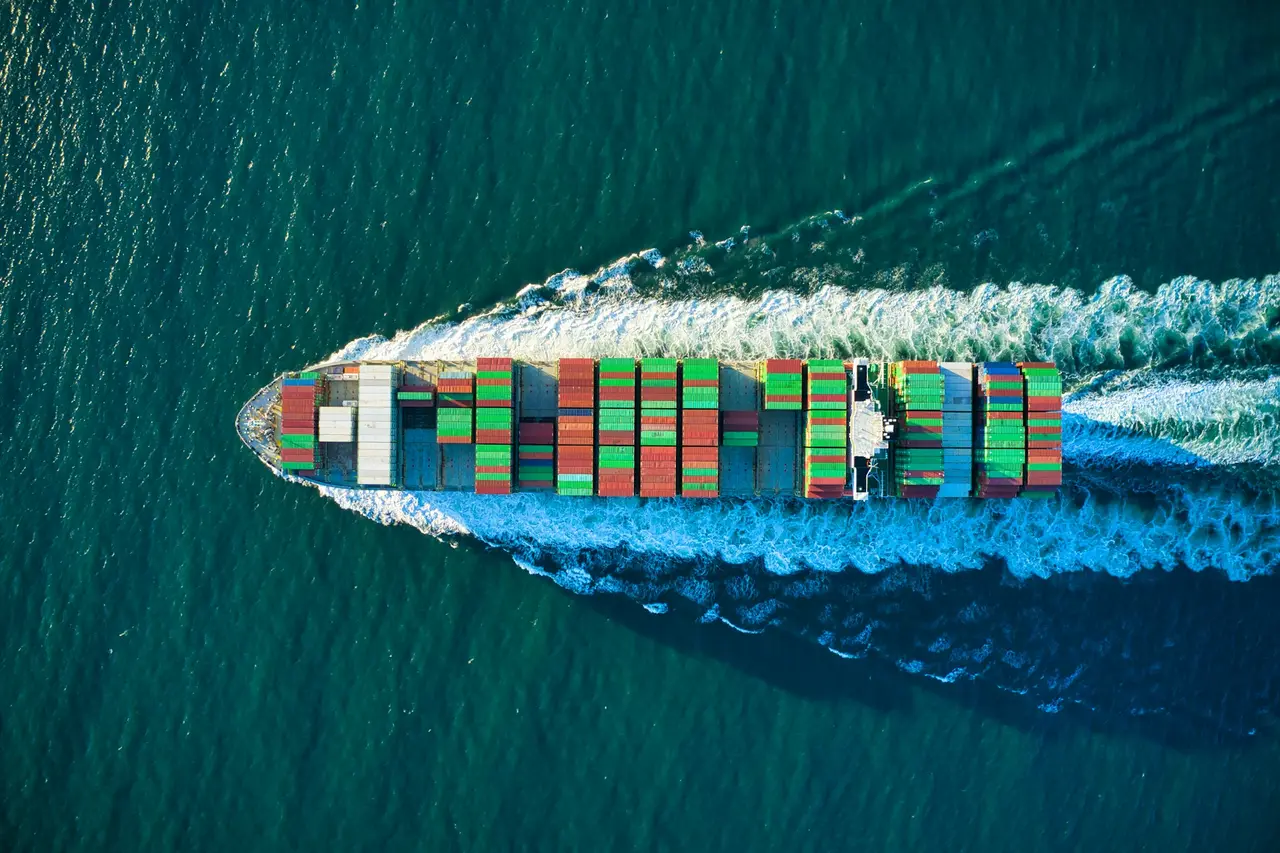
Iron Gate is aimed less at Iran’s trade than at its military rebuild. Across the Caspian, Russian cargo ships carry detonators and possibly TNT and drone parts. Chinese trains via Kazakhstan and Turkmenistan bring electronics, generators, and auto parts. Truck convoys through Turkey, Iraq, and Pakistan now carry trade once shipped through Iran’s Hormuz ports.
CENTCOM’s new initiative is likely to slow these flows, but not stop them. Iraq closed its Sheeb crossing in October amid reported US pressure, and Pakistan briefly suspended border traffic. The cost was regional: Iran’s imports fell by 26% in five months, but Iraqi, Turkish, and Pakistani traders lost business too. CENTCOM will need to balance its regional strategic priorities carefully if it wants to avoid plunging the regional partners into further economic distress and alienating much-needed allies.
Trade with Russia will be the most difficult to disrupt. The US Navy cannot reach the Caspian, and Moscow has no incentive to stop trading; boarding Russian ships would risk escalation. So, Iron Gate may slow Iranian rearmament through other routes while rendering Tehran increasingly dependent on Moscow, a self-defeating outcome for Washington.