



Berlin courts Turkey, Saudi Arabia, Egypt, and Pakistan on regional security
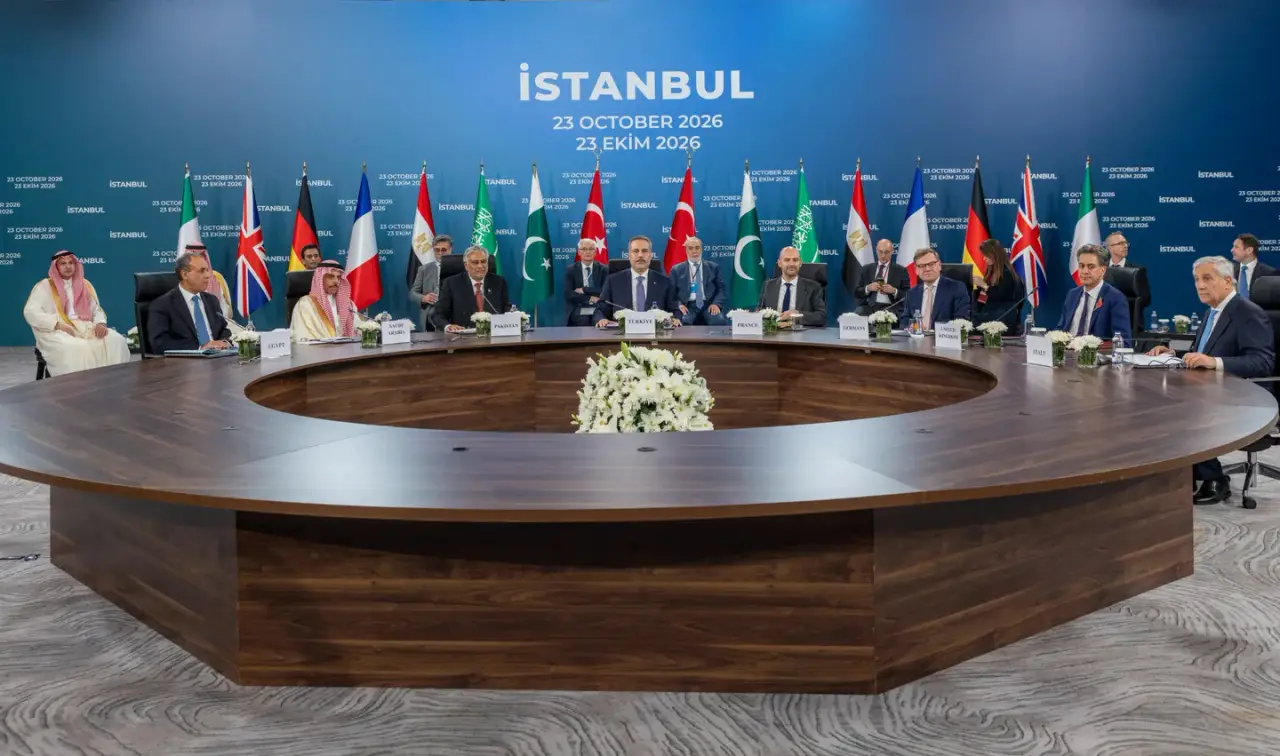
German Foreign Minister Johann Wadephul is in Istanbul for the first-of-its-kind meeting between the R4 and the E3, with the addition of Italy, hosted by Turkish Foreign Minister Hakan Fidan. The talks cover freedom of navigation in the Strait of Hormuz and Bab el-Mandeb amid the US–Iran war, Houthi attacks on Saudi Arabia, and the issues of Gaza, the West Bank, and Black Sea grain exports. Wadephul said Germany would not accept Iran and the Houthis “extorting world trade” and warned of famine risks if shipping disruption continues.
With neither Washington nor Tehran present, talks in Istanbul won’t reopen Hormuz. But they give Berlin something it has lacked since the US–Iran war began: a direct channel to the region’s middle powers. Three R4 members (Turkey, Saudi Arabia and Pakistan) signed the Mecca Joint Defence Agreement in August, and Pakistan is the leading mediator between the US and Iran. If formalised, a security arrangement between NATO members, EU members, and regional military powers could provide Europe with a valuable foothold in an emerging regional order no longer directed by Washington. This appears to be the case, as Wadephul announced that Germany will host a meeting with the same states next year.
Wadephul framed the meeting around shipping, energy prices and food security, reflecting German national concerns and interests. Ankara wants to raise Israeli settlement expansion and push for “more pressure on Israel”, days before Israel’s 27 October election. Germany and Turkey are likely to reach an impasse on issues concerning Israel and Palestine. However, if the format proves successful, it could support European involvement in Red Sea maritime security and a post-war Hormuz arrangement. If it stalls on Gaza, it will look like symbolic diplomacy.