

Climate Policy & Environment
Climate Action for Global Stability
The Working Group Climate Policy & Environment explores the intersection of climate change and global security, analyzing its impact on migration, resource scarcity, and geopolitical tensions. It assesses international climate agreements, renewable energy policies, and conservation efforts. Monthly briefings feature research on integrating sustainability into foreign policy and fostering international cooperation to mitigate climate-related security risks.
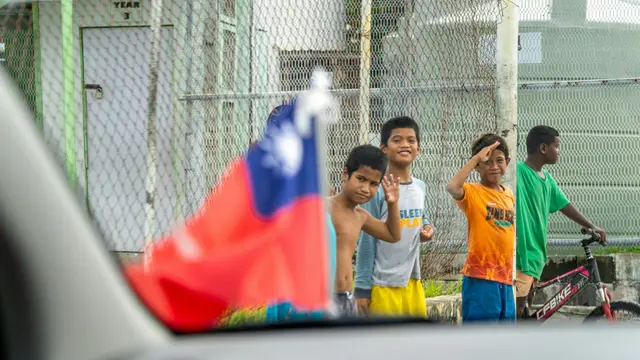
Tuvalu and the Continuity of Statehood: The Sovereignty Debate
This brief blog article looks into whether territory is required for a state to be recognized. It looks into the case study of Tuvalu which is making moves towards maintaining its statehood; even after being submerged. The argument is that with natural factors such as climate change, there need t…
Who Bears the Risk? The Limits of Climate Insurance
Without adequate risk-sharing mechanisms, insurers respond defensively by increasing premiums, tightening coverage, limiting availability or withdrawing from high-risk markets as they need to preserve solvency. Therefore, if private coverage recedes, households and businesses face an availability…
ICJ’s 2025 Advisory Opinion: A New Benchmark for State Due Diligence in Climate Affairs
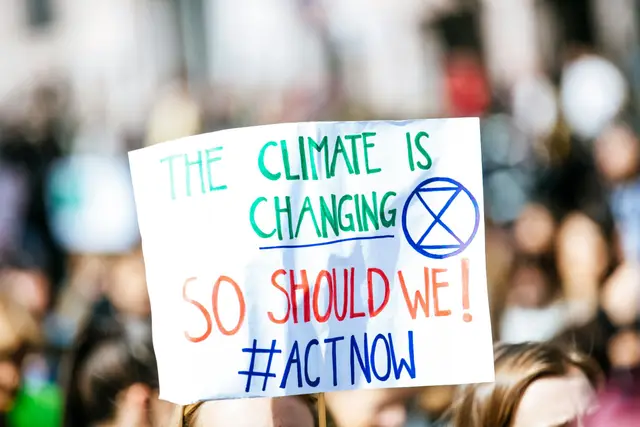
The ICJ’s 2025 advisory opinion confirms that the customary international-law duty to prevent significant environmental harm applies to the climate system

Mining the Common Heritage without asking: Is the seabed regime capable of defending itself?
Is the ISA a regulator or something of its equal or merely a coordinating body? And how can it face the challenges posed by the USA and the TMC Group?
Regulatory Chill and Climate Action: Are Governments Afraid to Regulate?
Can investor–state arbitration make governments think twice before adopting ambitious climate measures? This article explores how the risk of costly ISDS claims may contribute to regulatory chill, drawing on examples from France, Denmark, and the Netherlands.
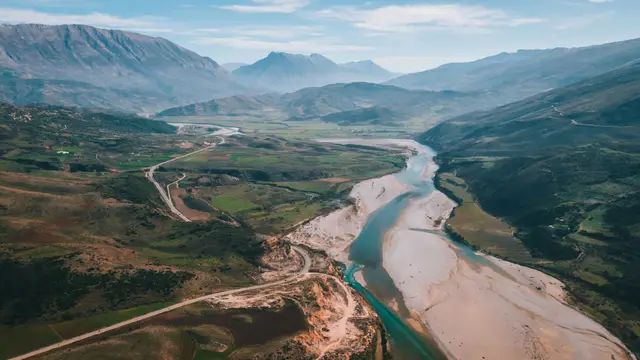
In Hot Water: Europe’s Droughts Threaten Energy and Trade
Amid severe European heatwaves and record-low river levels in summer 2026, critical energy infrastructure—including nuclear plants in Romania and Hungary—has been forced to slash production or shut down entirely. This brief examines how water scarcity poses an urgent, cross-sectoral threat to Eur…
Projectifying the CAP: Performance-Based Environmental Governance
This paper examines the CAP’s New Delivery Model through the lens of projectification, highlighting how performance-based governance and decentralised flexibility may constrain long-term environmental transformation.
Turning EU Priorities Into Regional Action
The 2026 Macro-regional and Sea Basin Strategies Days highlighted how EU cooperation frameworks can strengthen territorial collaboration, resilience, and the implementation of shared EU priorities across regions.
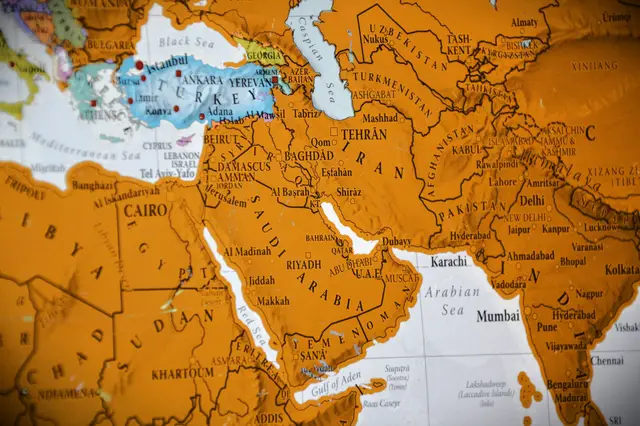
The South Caucasus: Europe’s Energy Security amid Middle East Crisis
Amid a severe global energy crisis triggered by the closure of the Strait of Hormuz, the South Caucasus has emerged as a vital non-Russian, non-Gulf energy corridor for Europe. This brief examines how Azerbaijan, Georgia, and Armenia are driving regional connectivity, natural gas expansion, and g…

The COVID ‘Anthropause’ and Planetary Health: Lessons for the Future
the COVID-19 ‘anthropause’ provides valuable research on how economic activity is still coupled with Green House Gases (GHGs). The anthropause provides insights as to what happens to the environment when economic activity suddenly comes to a halt, which teaches us how, going forward, environment…
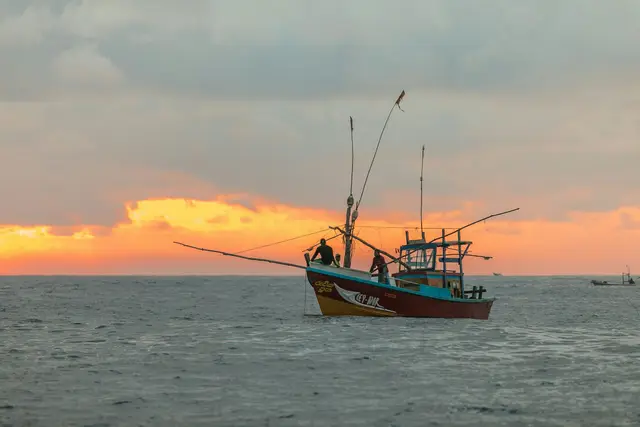
Fish Wars: Climate and Fisheries Conflict in the South China Sea
Warming oceans and declining fish stocks are intensifying competition in the South China Sea. As climate change collides with territorial disputes and illegal fishing, fisheries are becoming an increasingly important source of maritime tension.
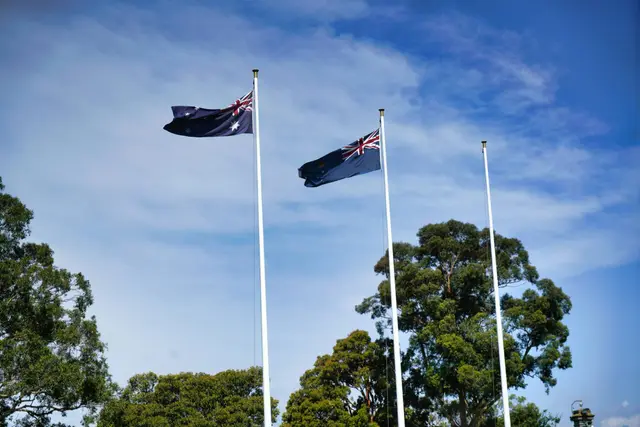
Australia’s Border Security Dilemma: Climate Migration and Operation Sovereign Borders
While Operation Sovereign Borders reduced unauthorised maritime arrivals, critics argue that it did so at the expense of human rights and international law. Can its effectiveness justify this moral cost? Will the policy remain sustainable as climate change drives displacement and migration?
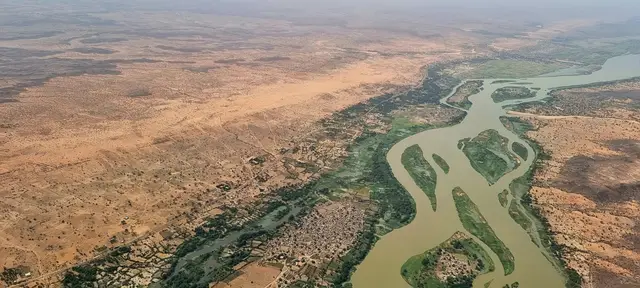
Climate Change as a Threat Multiplier in the Sahel
Does the EU’s Sahel strategy tackle root causes, or does its conditionality-based governance model overlook how climate stress and weak legitimacy mutually reinforce conflict, as shown by the withdrawal of the Alliance of Sahel States from the Economic Community of West African States?
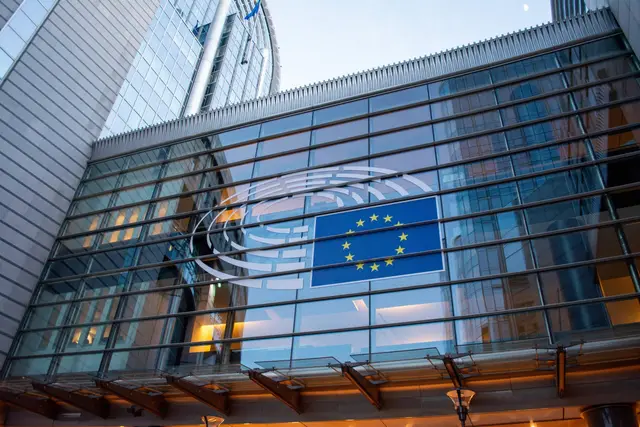
Drifting Apart: The EU Green Deal in the Age of Rearmament
The European Green Deal, once the EU’s flagship climate initiative, now faces gradual erosion. Surging defense spending via ReArm Europe is redirecting funds, delaying targets, and diluting climate priorities amid new security demands.

Pastures Under Pressure
Drawing on Ostrom’s theory, this paper argues that participatory, commons-based governance in Kyrgyzstan enables pastoral communities to manage shared pastures sustainably, driving climate adaptation and preventing climate-induced conflict.

Smart grids, same dumb trust?
The strategic importance of energy is clear – power is required for critical sectors such as transportation, manufacturing, agriculture, and healthcare. Even a temporary failure in the energy system can have devastating outcomes. Take the Texas power crisis as an example: infrastructure lacked wi…

Resilient Roots: EU Tech Grants for Farmers
How can the EU accelerate climate tool adoption for smallholders in Africa and SE Asia without increasing financial risk? Loan-based models create debt burdens during crop failures; thus, a grant-based instrument within the NDICI-Global Europe framework is essential to fund both technology and lo…

Western Balkans: EU, Environment & Accession
The Western Balkan EU accession candidates (Albania, North Macedonia, Montenegro, Serbia, Bosnia and Herzegovina) together with Kosovo, as a potential candidate, face significant challenges in meeting the EU’s environmental and climate requirements. Compared with previous enlargement rounds (see …

Hydro-Hegemony: Türkiye’s Leverage over Syria Iraq
How does Türkiye’s Southeastern Anatolia Project (GAP) transform upstream water control into geoeconomic leverage over Syria and Iraq? This article argues that expanded hydropower and irrigation infrastructure convert hydrological dominance into domestic economic gains, producing asymmetric inter…

DRC: Rich land, hungry people.
Food insecurity in Eastern DRC is structurally driven by conflict, displacement, and livelihood collapse, not scarce land. Climate change, hazardous pesticides, gender barriers, and neglected crop species compound the crisis. Humanitarian aid often reinforces dependency rather than building resil…